
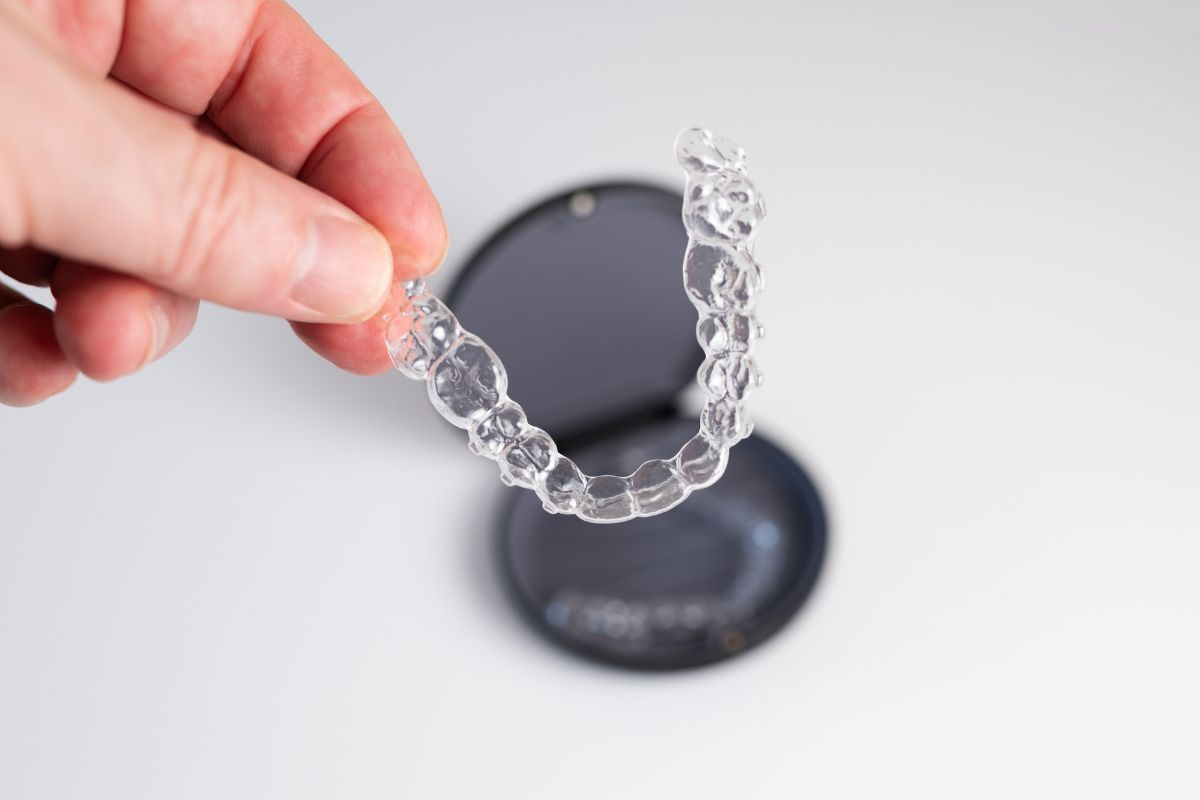
Wearing Invisalign can feel like a big step toward a straighter, more confident smile. The trays are clear, removable, and far more convenient than traditional braces. But what happens if you suddenly notice tooth sensitivity or discomfort during treatment? Can you actually get a cavity while wearing invisalign aligners?
The short answer is yes — and it doesn’t mean your treatment has failed. Cavities can happen to anyone if bacteria and plaque build up on the teeth. The good news is that it’s manageable, and with the right steps, your invisalign progress can stay right on track.
Can You Really Get a Cavity While Wearing Invisalign?
Invisalign does not cause cavities on its own. Cavities form when plaque and bacteria feed on sugars left behind on your teeth, producing acids that weaken enamel.
However, wearing aligners over teeth that haven’t been properly brushed can create the perfect environment for bacteria to become trapped on the surface. If food particles or sugary drinks linger under the trays, the risk of decay increases. That’s why daily hygiene matters even more during invisalign aligner treatment.
Signs You Might Have a Cavity During Invisalign Treatment
It’s not always obvious at first, but here are a few signs to watch for:
- Sensitivity to hot, cold, or sweet foods
- A sharp pain when chewing
- Dark spots or tiny holes on a tooth
- Persistent bad breath
- A rough feeling on the surface of a tooth
Catching a cavity early can make treatment simpler and prevent delays in your aligner plan.
What To Do Immediately If You Suspect a Cavity?
First, don’t panic. And don’t stop wearing your aligners unless your dentist advises you to.
Schedule a dental appointment as soon as possible so the area can be examined. Continue brushing and flossing carefully, and make sure your trays are cleaned thoroughly before reinserting them.
If you’re unsure about the discomfort you’re feeling, contact us so we can evaluate what’s going on and guide you on the next step. Early care helps prevent small problems from becoming larger ones.
Can You Continue Wearing Invisalign With a Cavity?
In many cases, yes. If the cavity is small, it can usually be treated with a simple filling without interrupting your Invisalign schedule.
For larger cavities, your dentist may need to complete restorative treatment first. Occasionally, a new scan or minor adjustment to your trays may be necessary if the tooth shape changes after a filling. But most of the time, treatment continues smoothly once the cavity is addressed.
How To Prevent Cavities While Using Invisalign?
Prevention is key during aligner treatment. Here’s what helps:
- Brush and floss after every meal before reinserting trays
- Rinse your mouth if brushing isn’t immediately possible
- Clean aligners daily using recommended methods
- Avoid sugary drinks while wearing trays
- Keep up with routine dental checkups
These simple habits protect both your teeth and your progress.
Will a Filling Affect Your Aligners?
Most small fillings do not significantly change the fit of your aligners. If the shape of your tooth changes slightly, your dentist will check whether your trays still fit properly. In rare cases, adjustments or updated aligners may be needed.
Regular dental monitoring ensures everything continues moving as planned.
Keep Your Teeth On Track With Perfect Smile Tulsa
Getting a cavity during Invisalign treatment can feel discouraging, but it’s more common than you might think. With prompt care and consistent hygiene, you can protect your teeth while continuing to straighten them safely.
If you’re wearing invisalign aligners in Tulsa and have concerns about tooth sensitivity or possible decay, early evaluation makes all the difference. At Perfect Smile Tulsa, we help patients in Tulsa, OK, stay on track with healthy, confident smiles throughout every stage of treatment.
Visit our dental office to ensure your smile stays strong, healthy, and cavity-free while your aligners do their job.