
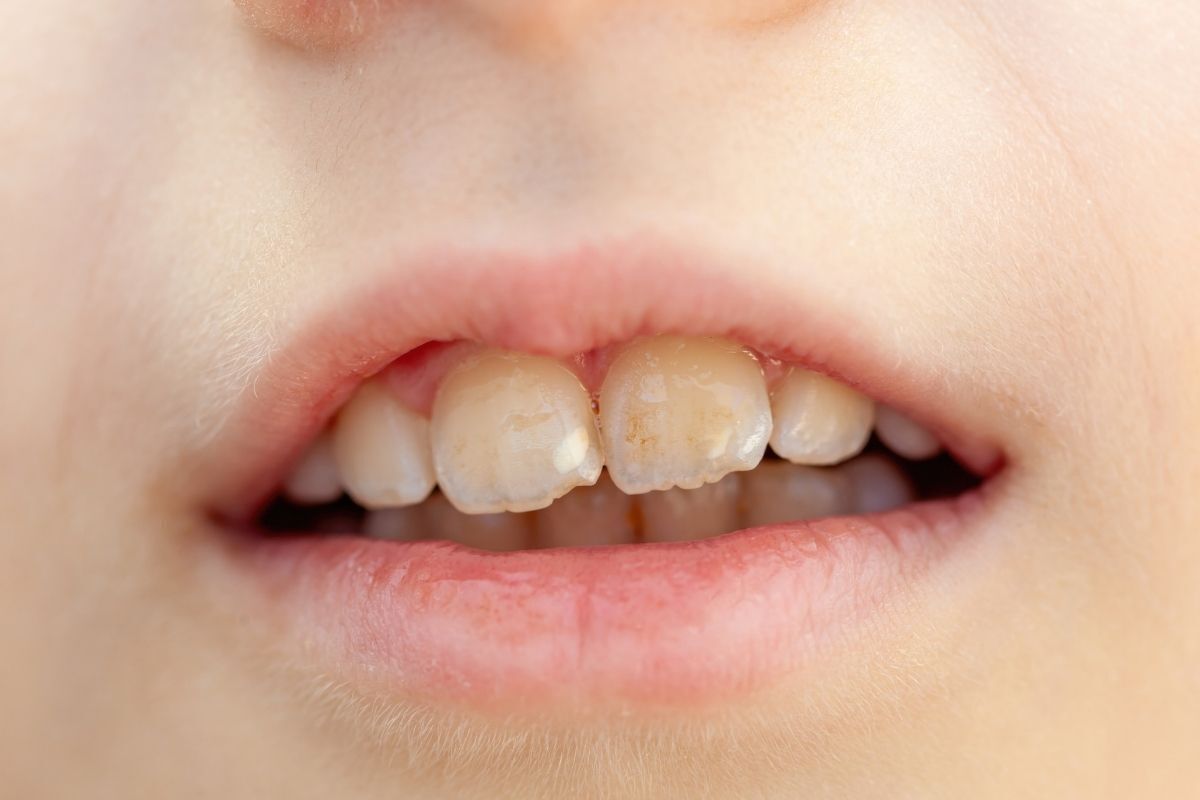
Have you ever looked closely at your teeth and noticed that some edges appear longer, shorter, jagged, or uneven? You may have always had this tooth shape, or you may have noticed a change after a small chip or years of wear. Uneven tooth edges are common, but the reason behind them can vary from one person to another.
In some cases, uneven edges are simply part of your natural tooth shape. In others, they may be caused by chipped enamel, grinding, decay, or an injury. Depending on the cause, a cosmetic dentistry procedure may be able to improve the shape and appearance of the teeth while preserving as much healthy tooth structure as possible.
Why Do Some Teeth Have Uneven Edges?
Teeth do not naturally develop with perfectly identical shapes and lengths. Small differences between teeth are normal. However, an uneven edge can also develop over time because of changes to the tooth.
Some common causes include:
- Natural tooth shape: Teeth can naturally have slightly different lengths, curves, and edges.
- Everyday wear: Years of chewing can gradually wear down enamel and change the shape of a tooth.
- Chipped teeth: Biting something hard or experiencing an injury can remove a small piece of enamel.
- Teeth grinding: Repeated grinding or clenching can wear down tooth edges.
- Tooth decay: Decay can weaken the tooth and cause part of the edge to break away.
- Tooth alignment: Teeth that sit at different angles may make the edges appear uneven even when the teeth themselves are healthy.
Understanding the cause is important because the best way to correct an uneven edge depends on what has changed.
Can Normal Tooth Wear Make Teeth Look Uneven?
Yes. Teeth are exposed to pressure every day, and enamel can gradually become worn down over time. This may make the edges of front teeth look flatter or less defined.
Grinding or clenching can speed up this process. A person who frequently grinds their teeth may notice flattened edges, small chips, or changes in tooth shape. Some people also experience jaw soreness or tooth sensitivity along with this type of wear.
If your teeth seem to be changing shape over time, a dentist can check whether normal wear, grinding, or another issue may be responsible.
What Causes a Tooth to Chip or Crack?
A tooth can chip for several reasons. Biting down on hard foods, chewing ice, an accidental impact, or a sports injury can cause part of the enamel to break away. Using your teeth to open packages or bite objects can also put unnecessary stress on them.
A small chip may only affect the appearance of a tooth. However, a larger chip or crack can expose more vulnerable parts of the tooth and may lead to sensitivity or discomfort.
If a tooth suddenly becomes uneven after an injury or you notice pain, sensitivity, swelling, or a visible crack, it is a good idea to have it examined rather than assuming it is only a cosmetic concern.
How Can Uneven Tooth Edges Be Corrected?
The appropriate treatment depends on the amount of damage, the health of the tooth, your bite, and what is causing the uneven appearance. Common options include:
Tooth Reshaping
For minor differences in tooth length or shape, a dentist may carefully remove a very small amount of enamel to create a more even appearance. This is sometimes called tooth contouring or reshaping.
Because enamel does not grow back, reshaping should only be performed when enough healthy enamel is available, and the procedure is appropriate for the tooth.
Dental Veneers
Veneers are thin coverings placed over the front surfaces of teeth. They may be considered when several teeth have noticeable differences in shape, length, color, or appearance.
Veneers are not necessary for every uneven tooth, so a dentist should first determine whether a less extensive option can provide the desired result.
Dental Crowns
A crown covers a larger portion of a tooth and may be recommended when a tooth has significant damage or has been weakened by decay, a large filling, or an injury.
Because crowns involve more treatment than minor reshaping or bonding, they are generally considered when a tooth needs more substantial protection or restoration.
Invisalign
Sometimes, uneven-looking tooth edges are caused by the position of the teeth rather than their actual shape. Crowded, rotated, or slightly overlapping teeth can make the edges appear uneven when you look at them together.
Invisalign uses a series of clear, removable aligners to gradually move teeth into more balanced positions. By improving tooth alignment, Invisalign may help create a more even-looking appearance without reshaping healthy enamel. However, it cannot repair a chipped or worn tooth edge itself. A dentist can determine whether alignment treatment, bonding, reshaping, or another option is more appropriate for your situation.
How Does a Dentist Decide Which Treatment Is Right?
There is no single solution for every uneven tooth. A dentist will typically look at the tooth’s condition, the amount of enamel present, how the teeth meet when you bite, and whether there are signs of damage or decay.
The cause also matters. For example, smoothing a tooth may make sense for a very small difference in length, while bonding may be more appropriate for a chipped edge. If the uneven appearance comes from tooth positioning, orthodontic treatment may be a better approach.
The goal is not simply to make the teeth look even. The treatment should also protect the health and function of the teeth.
When Should You See a Dentist About Uneven Tooth Edges?
Uneven edges do not always mean something is wrong. However, a dental examination is worthwhile if you notice a sudden change in the shape of a tooth or have other symptoms.
Consider seeing a dentist if you experience:
- A tooth that suddenly becomes shorter or chipped
- Pain or sensitivity
- A visible crack
- Repeatedly breaking or chipping teeth
- Sharp edges that irritate your tongue or cheeks
- Flattened teeth from possible grinding
- Changes in your bite
- Signs of decay around an uneven area
Early evaluation can help identify whether the change is simply cosmetic or related to a larger dental problem.
Can Uneven Tooth Edges Be Prevented?
Not every cause can be prevented, especially natural differences in tooth shape. However, several habits can help protect your teeth from unnecessary damage.
Avoid chewing ice, pens, fingernails, and other hard objects. Do not use your teeth to open packages or cut materials. If you participate in contact sports, use an appropriate mouthguard to reduce the risk of dental injuries.
If you grind or clench your teeth, talk with a dentist about ways to protect your teeth from continued wear. Regular dental visits can also help identify small changes before they become more serious problems.
Keeping Your Teeth Looking Natural and Even With Perfect Smile Tulsa
Uneven tooth edges can have many causes, and the right correction depends on the health, structure, and position of the teeth. Perfect Smile Tulsa in Tulsa, OK, provides dental evaluations that can help determine why tooth edges appear uneven and which treatment, if any, may be appropriate. If you are concerned about chipped, worn, or uneven teeth and want to understand your options, contact us to discuss your concerns with a dental professional.
Taking the Next Step for Uneven Tooth Edges
Whether your uneven tooth edges have always been that way or have changed over time, understanding the cause is the first step toward making an informed decision. At our dental office, we help patients in Tulsa, OK, understand their dental concerns and explore appropriate treatment options based on their individual needs. If you are concerned about uneven, chipped, or worn tooth edges, visit our dental office to learn more about the care that may be right for you.