
Many people think of an overbite as a cosmetic concern, but it can affect much more than the appearance of your smile. When the upper front teeth significantly overlap the lower front teeth, it can lead to uneven tooth wear, jaw discomfort, speech issues, and difficulty chewing in some cases.
Fortunately, modern orthodontic options offer more comfortable and discreet ways to address bite problems. One of the most common questions patients ask is whether invisalign treatment can effectively correct an overbite. The answer depends on the severity of the condition and your individual dental needs.
Understanding how Invisalign works and what it can realistically accomplish can help you decide whether it may be the right solution for your smile.
What Is an Overbite?
An overbite occurs when the upper front teeth overlap the lower front teeth more than they should. A small amount of overlap is normal and helps teeth function properly. However, when the overlap becomes excessive, it can create oral health and functional concerns.
Overbites generally fall into two categories:
- Dental overbite: Caused by tooth positioning and alignment issues.
- Skeletal overbite: Caused by differences in jaw size, shape, or growth patterns.
The type and severity of the overbite play a major role in determining the most appropriate treatment approach.
What Causes an Overbite?
Several factors can contribute to the development of an overbite, including:
- Genetics and inherited jaw structure
- Prolonged thumb-sucking during childhood
- Extended pacifier use
- Tongue-thrusting habits
- Teeth grinding
- Missing teeth that affect bite alignment
Because every patient’s situation is unique, a professional evaluation is necessary to determine the underlying cause.
How Does Invisalign Work?
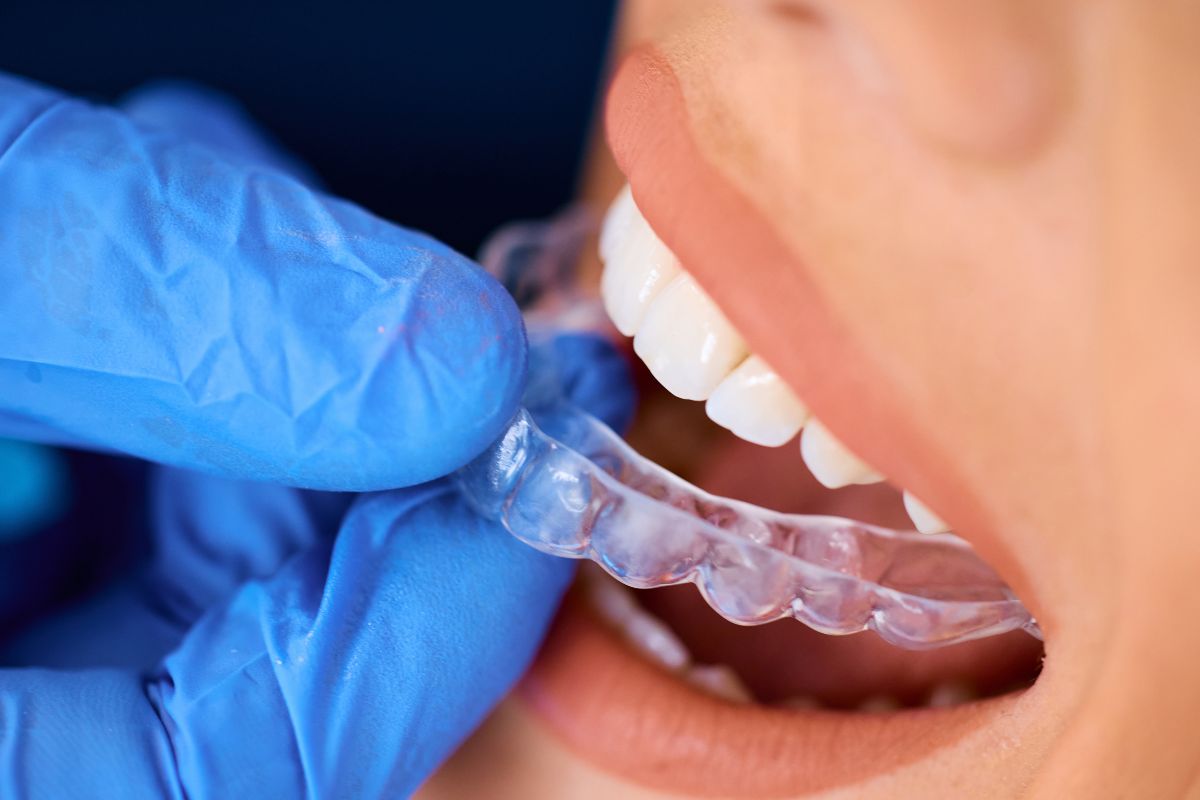
Invisalign uses a series of custom-made invisalign aligners designed to gradually move teeth into more favorable positions. Each set of aligners is worn for a specified period before progressing to the next set in the series.
Unlike traditional braces, Invisalign aligners are:
- Nearly invisible
- Removable for meals and oral hygiene
- Custom-fitted for comfort
- Designed to apply controlled pressure to specific teeth
Over time, these small adjustments can improve tooth alignment and, in many cases, correct certain types of bite issues.
Can Invisalign Correct an Overbite?
Yes, Invisalign can effectively correct many mild to moderate overbites. By carefully moving the teeth and improving bite relationships, aligners can help create a healthier, more balanced smile.
Treatment success depends on several factors, including:
- The severity of the overbite
- Whether the issue is dental or skeletal
- Patient compliance with aligner wear
- Overall oral health
Many patients achieve excellent results when aligners are worn as directed and treatment is closely monitored.
Which Types of Overbites Respond Best to Invisalign?
Invisalign is often successful for:
Mild Overbites
Minor overlap issues can usually be corrected with predictable tooth movements.
Moderate Overbites
Many moderate cases respond well when aligners are combined with attachments or other treatment aids.
Dental Overbites
Cases caused primarily by tooth positioning tend to be among the most predictable for Invisalign treatment.
Certain Teen and Adult Cases
Both teenagers and adults may benefit from aligner therapy, depending on their specific bite conditions.
When Might Invisalign Not Be Enough?
Although Invisalign is highly effective, some severe cases may require additional treatment.
Examples include:
- Significant skeletal jaw discrepancies
- Severe bite imbalances
- Complex orthodontic cases
- Situations requiring jaw surgery
In these circumstances, an orthodontist may recommend combining aligners with other treatment options or exploring alternative approaches.
How Long Does Invisalign Take to Fix an Overbite?
Treatment timelines vary from person to person.
Factors that influence treatment duration include:
- Severity of the overbite
- Age of the patient
- Complexity of tooth movements
- Consistency in wearing aligners
Many patients begin noticing improvements within a few months, while complete treatment may take anywhere from several months to a couple of years.
What Are the Benefits of Correcting an Overbite?
Addressing an overbite can provide several advantages beyond appearance.
Potential benefits include:
Improved Chewing Function
A balanced bite can help teeth work together more efficiently during eating.
Reduced Tooth Wear
Correct alignment may help prevent excessive pressure on specific teeth.
Better Oral Health
Properly aligned teeth are often easier to clean and maintain.
Enhanced Comfort
Correcting bite issues may reduce strain on the jaw and surrounding muscles.
Greater Smile Confidence
Many patients appreciate the cosmetic improvements that come with a more balanced smile.
What Happens During Invisalign Treatment?
The treatment process typically includes several steps:
Comprehensive Examination
Your dentist evaluates your teeth, bite, and oral health.
Digital Imaging
Advanced scans create a detailed treatment plan.
Custom Aligner Fabrication
A series of aligners is designed specifically for your smile.
Progress Monitoring
Regular appointments help ensure teeth are moving according to plan.
Retention Phase
After treatment, retainers help maintain the results achieved.
How Can You Improve Invisalign Results?
Patients can help maximize treatment success by:
- Wearing aligners as instructed
- Maintaining excellent oral hygiene
- Attending scheduled appointments
- Storing aligners properly when removed
- Following all treatment recommendations
Consistent compliance is often one of the most important factors in achieving predictable outcomes.
Is Invisalign a Good Choice for Adults With an Overbite?
Absolutely. Many adults choose Invisalign because it offers a discreet and convenient alternative to traditional braces.
For adults seeking a less noticeable orthodontic option, Invisalign can provide an effective way to address overbite concerns while fitting comfortably into daily life. Patients who are concerned about appearance during treatment often appreciate the nearly invisible design of aligners.
Achieving A Healthier, More Balanced Smile With Professional Care
An overbite can affect more than just appearance, but modern orthodontic solutions make correction more accessible than ever. For many patients, invisalign treatment provides an effective way to improve bite alignment using comfortable, removable invisalign aligners that fit easily into daily life. Whether you have a mild or moderate overbite, a personalized evaluation can determine if clear aligners are the right option for your needs.
At our Tulsa dental office, we are committed to helping patients achieve healthier, more confident smiles through personalized dental care. If you would like to learn whether Invisalign is right for your situation, contact us to schedule an evaluation and discuss your treatment options.
Frequently Asked Questions About Invisalign and Overbites
Can Invisalign help with jaw discomfort caused by an overbite?
In some cases, improving bite alignment may reduce strain on the jaw and surrounding muscles. However, jaw discomfort can have multiple causes, so an evaluation is necessary.
Will Invisalign affect the way I speak?
Some patients notice a brief adjustment period when first wearing aligners, but speech typically returns to normal quickly.
Can I play sports while wearing Invisalign?
Yes. Invisalign aligners can usually be worn during most sports activities, although athletes involved in contact sports may benefit from additional protective equipment.
Do overbites get worse over time if left untreated?
They can. Depending on the cause, an untreated overbite may contribute to tooth wear, bite problems, and other oral health concerns over time.
Are retainers necessary after Invisalign treatment?
Yes. Retainers help keep teeth in their new positions and are an important part of maintaining long-term treatment results.