
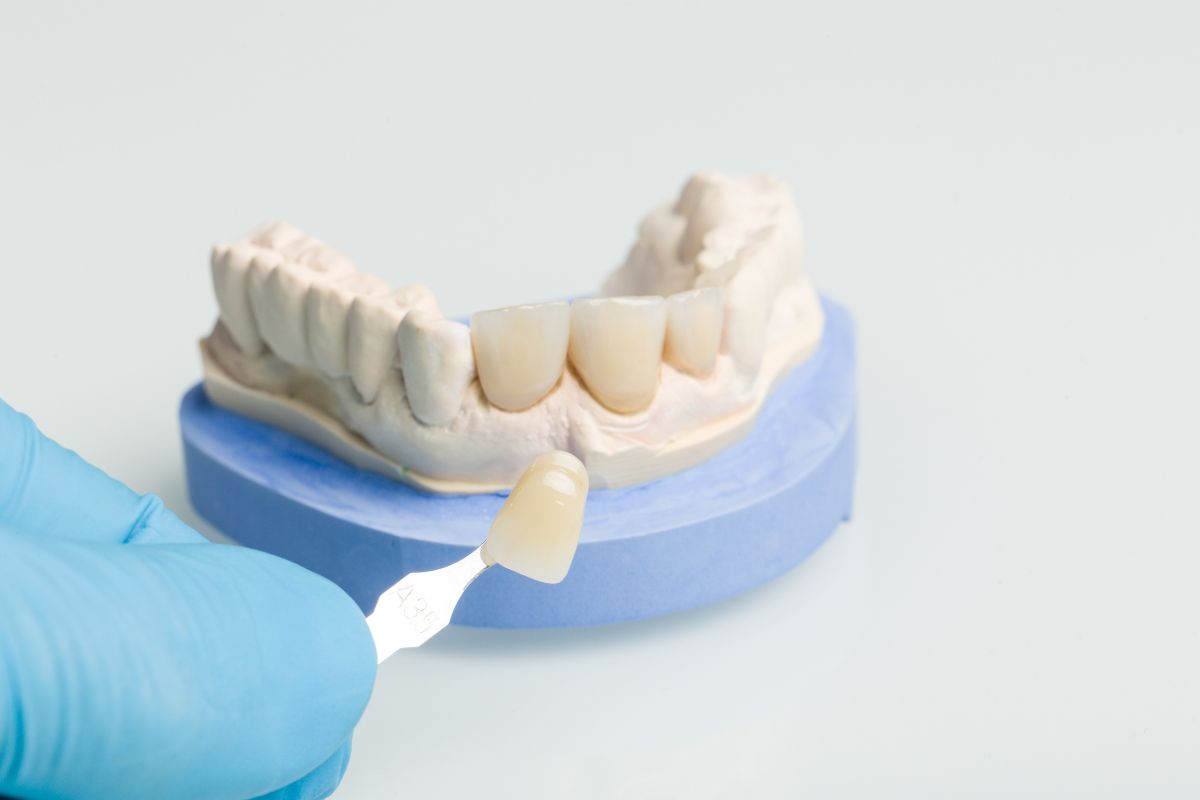
Ever felt a tiny bump or imperfection on a new dental crown and wondered, “Is this normal?” You’re not alone! A surprising number of people experience minor irregularities after getting a crown. While a perfectly smooth crown is the ideal, sometimes these little bumps appear, and understanding why they happen and what you can do about them is key to your peace of mind. Let’s dive into the world of dental crowns and those occasional bumps.
Why Do Bumps Appear on Crowns?
Several factors can contribute to bumps or irregularities on a dental crown. It’s important to remember that these bumps are often minor and don’t necessarily indicate a problem with the crown’s functionality.
- Manufacturing Process: Dental Crowns are typically fabricated in a dental lab, and while technicians are highly skilled, slight imperfections can occur during the fabrication process. This might involve the layering of porcelain, the casting of metal, or even the digital design and milling process used in modern dentistry. Think of it like a 3D printer – sometimes tiny layer lines can be visible.
- Material Properties: Different crown materials have different characteristics. Porcelain, for example, can sometimes have slight variations in texture. Even zirconia, known for its strength, can have minor surface irregularities. A study published in the Journal of Prosthetic Dentistry found that certain types of porcelain were more prone to minor surface irregularities, though these rarely affected the crown’s performance.
- Cementation Process: The cement used to secure the crown to the prepared tooth can sometimes contribute to the feeling of a bump. Occasionally, a tiny bit of cement can remain after the crown is placed, though dentists are usually very careful to remove any excess.
- Bite and Occlusion: How your teeth come together (your bite) plays a crucial role. If the crown isn’t perfectly adjusted to your bite, it might feel slightly different, and this difference can sometimes be perceived as a bump. Proper bite adjustment is crucial for crown success, as noted by the American Dental Association (ADA).
- Individual Sensitivity: Our tongues are incredibly sensitive. What might be a barely perceptible bump to one person could feel quite prominent to another. This subjective experience is important to consider.
What Can You Do About Bumps?
The good news is that most bumps on dental crowns are easily addressed. Here’s what you can do:
- Don’t Panic: A small bump doesn’t automatically mean something is wrong. Often, it’s just a minor surface variation.
- Wait and See: Sometimes, after the initial placement, the sensation of a bump diminishes as you get used to the crown. Give it a few days to a week.
- Schedule a Follow-Up: If the bump persists or bothers you, schedule an appointment with your dentist. They can assess the situation and determine the best course of action.
- Adjustment by Your Dentist: In many cases, a simple adjustment by your dentist can smooth out the bump. This might involve minor polishing or reshaping of the crown.
- Addressing Bite Issues: If the bump is related to your bite, your dentist can make adjustments to ensure proper occlusion.
- Discuss Your Concerns: Open communication with your dentist in Tulsa. They can explain the cause of the bump and help you understand the treatment options.
Prevention is Key
While some bumps are unavoidable, there are steps you and your dentist can take to minimize the risk:
- Choose an Experienced Dentist: A certified dentist will pay close attention to detail during the crown placement process.
- Proper Crown Fabrication: A reputable dental lab that uses high-quality materials and techniques is essential.
- Thorough Bite Evaluation: A comprehensive bite assessment before and after crown placement is crucial.
Living with Your Crown
Remember, your dental crown is designed to restore your smile and function. While little bumps can sometimes occur, they are often easily addressed. By understanding the potential causes and knowing what steps to take, you can ensure a smooth and comfortable experience with your new crown. Don’t hesitate to contact your dentist if you have any concerns. They are your partners in achieving a healthy and beautiful smile.