
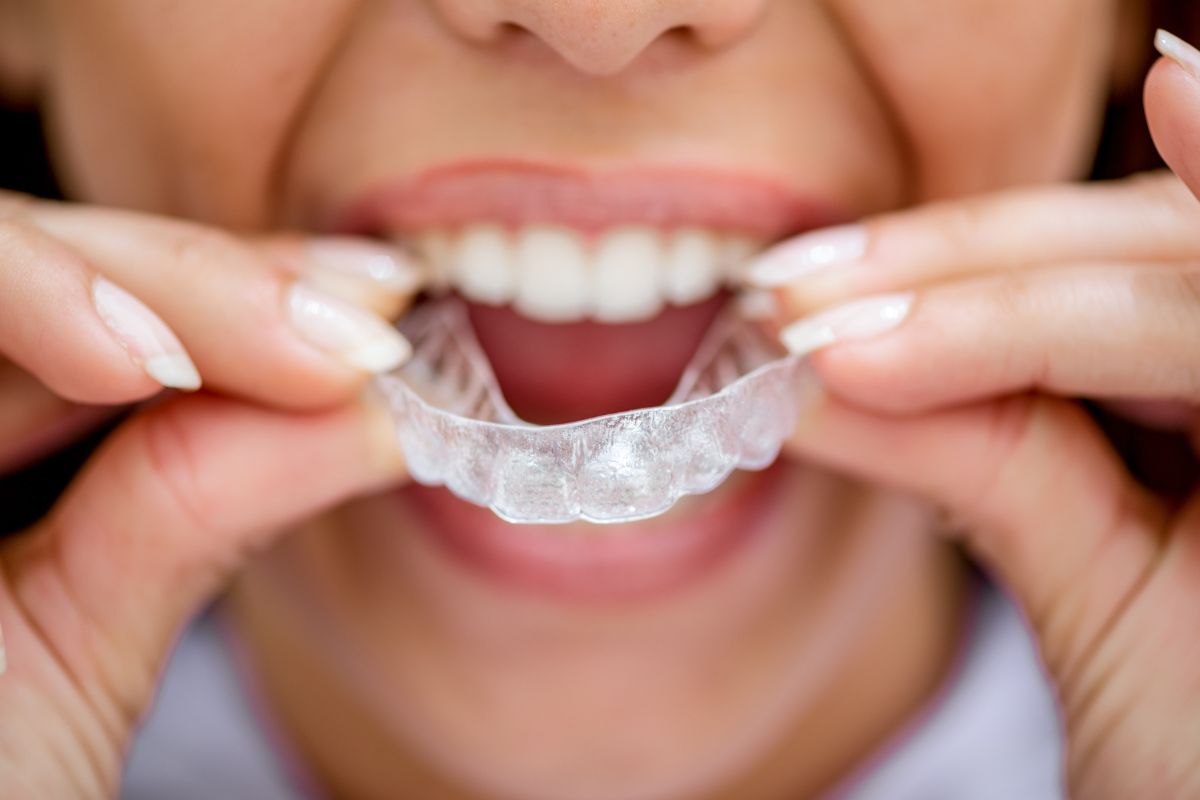
Yes, many open bites can be corrected successfully with Invisalign aligners. Many adults and teens with mild-to-moderate open bites now choose clear aligners because they offer a discreet, comfortable way to improve bite alignment without traditional brackets or wires. However, success depends on the cause of the open bite, the severity of the condition, and the precision of the treatment plan.
An open bite is more than a cosmetic concern. It can affect speech clarity, chewing efficiency, jaw comfort, and long-term tooth wear. Some people have difficulty biting into certain foods, while others become self-conscious about their smile in photos or social settings. What many people do not realize is that untreated bite problems often worsen gradually over time.
At Perfect Smile Tulsa, patients can learn whether clear aligners are appropriate for correcting open bites and improving oral function. The focus is on both aesthetics and long-term bite stability. If you have been wondering whether Invisalign treatment can truly close the gap between your upper and lower teeth, scheduling an evaluation can provide answers based on your specific bite pattern.
According to the Centers for Disease Control and Prevention, malocclusion and bite irregularities can contribute to oral health complications that affect chewing, speech, and overall dental function. Addressing these issues early often helps reduce future complications.
What Is an Open Bite?
An open bite occurs when the upper and lower teeth do not make proper contact when the mouth closes. The front teeth are most commonly affected, though some people develop open bites in the back teeth as well.
Several factors can contribute to this condition, including:
- Thumb sucking during childhood
- Tongue thrusting habits
- Genetics and jaw development
- Temporomandibular joint imbalance
- Mouth breathing patterns
- Improper eruption of teeth
Some open bites appear mild and barely noticeable. Others create obvious spacing that changes facial appearance and speech patterns.
Why Open Bites Should Not Be Ignored
Many people assume an open bite is only a cosmetic issue. In reality, it can create daily functional problems that become frustrating over time.
Difficulty Biting Into Food
People with open bites often struggle to bite into sandwiches, apples, burgers, or crusty bread because their front teeth do not meet properly.
Speech Changes
Certain sounds, especially “s” and “z,” may become difficult to pronounce clearly when the front teeth remain separated.
Excessive Tooth Wear
When some teeth do not touch properly, others compensate by handling more pressure during chewing. This uneven force can accelerate enamel wear.
Jaw Strain
Improper bite alignment can place additional stress on jaw muscles and joints, potentially contributing to discomfort or fatigue.
Can Invisalign Correct an Open Bite?
Yes, many open bites can be corrected successfully with these aligners. Advances in digital orthodontic technology now allow clear aligners to move teeth with greater precision than earlier systems.
Modern aligners work by applying controlled pressure to gradually reposition teeth over time. For open bite correction, the aligners may help:
- Intrude over-erupted teeth
- Guide jaw positioning
- Improve arch alignment
- Close vertical gaps
- Balance bite pressure
However, not every open bite responds the same way. Mild to moderate cases typically respond very well to aligner therapy, while severe skeletal open bites may require additional orthodontic techniques or surgical intervention.
How Invisalign Moves Teeth for Open Bite Correction
One reason many patients prefer clear aligners is the customized planning process behind treatment.
Using advanced digital imaging, dentists map out precise tooth movements before treatment even begins. Each aligner tray is designed to move specific teeth gradually and strategically.
In many cases, small tooth-colored attachments are placed on teeth to help improve movement control. These attachments allow the aligners to apply more targeted force for vertical bite correction.
Patients receiving this treatment for open bite correction often appreciate seeing a digital preview of their expected results before starting therapy.
Who Is a Good Candidate for Clear Aligners to Treat an Open Bite?
The best candidates usually have:
- Mild to moderate open bites
- Healthy gums and supporting bone
- Consistent aligner wear habits
- No major untreated dental disease
- Good overall oral hygiene
Patient compliance matters significantly. Clear aligners only work properly when worn approximately 20 to 22 hours daily.
People who frequently remove their trays or forget to wear them may experience delayed or incomplete results.
Advantages of this Orthodontic Treatment
Many adults choose clear aligners because they fit comfortably into professional and social lifestyles.
Nearly Invisible Appearance
Clear aligners remain discreet during conversations, meetings, and social events. Many patients appreciate being able to straighten their teeth without noticeable brackets.
Easier Oral Hygiene
Because aligners are removable, brushing and flossing remain easier compared to traditional braces.
Fewer Food Restrictions
Patients can continue enjoying local favorites like chicken-fried steak, smoked brisket, or crunchy tacos without worrying about damaging wires or brackets.
Greater Comfort
Smooth plastic trays usually cause less irritation than traditional orthodontic hardware.
How Long Does the Treatment Take?
Treatment timelines vary depending on the severity of the bite problem and patient consistency.
Many mild-to-moderate cases take approximately 12 to 24 months to complete. More complex cases may require longer treatment periods.
Factors influencing treatment length include:
- Severity of the open bite
- Jaw structure
- Tooth crowding
- Consistency of aligner wear
- Patient age
Patients undergoing this clear aligner treatment often begin noticing gradual improvements within the first several months.
Why Accurate Diagnosis Matters?
Open bites can develop for various reasons, so treatment should never follow a one-size-fits-all approach.
For example:
- A tongue-thrust-related open bite requires different management than a skeletal open bite.
- Childhood habit-related cases differ from adult relapse cases.
- Some patients need airway evaluations alongside orthodontic correction.
A comprehensive evaluation allows dentists to identify the true underlying cause before recommending treatment.
This level of planning improves both treatment efficiency and long-term stability.
What to Expect During the Treatment
Most patients begin with digital scans rather than traditional messy impressions. These scans help create customized aligners that fit accurately and comfortably.
Treatment typically involves:
- Digital imaging and bite evaluation
- Customized treatment planning
- Delivery of aligner trays
- Routine monitoring visits
- Retainer use after completion
Periodic checkups ensure tooth movement remains on track throughout the process.
Patients searching for invisalign aligners in Tulsa often value the convenience of fewer emergency visits compared to traditional braces.
How Retainers Prevent Relapse
One important fact many people overlook is that open bites can relapse if retainers are not worn consistently after treatment. Teeth naturally shift over time due to chewing forces, tongue posture, and aging.
Retainers help maintain the corrected bite and protect the investment made during orthodontic treatment. Long-term retention plays a major role in preserving successful results.
Choosing the Right Provider Matters
Open bite correction requires advanced planning and careful monitoring. Not every clear aligner case is straightforward. Dentists experienced in bite analysis understand how jaw relationships, facial structure, and tooth positioning work together during treatment.
Patients exploring invisalign aligners in Tulsa should look for practices that prioritize comprehensive diagnostics rather than simply cosmetic alignment. A properly treated open bite improves much more than appearance. It can enhance chewing comfort, speech clarity, bite balance, and long-term dental health.
A Straighter Bite Can Change Daily Comfort
Living with an open bite can affect more areas of daily life than most people expect. Eating comfortably, speaking clearly, and smiling confidently all depend on proper bite function.
At our dental practice, patients receive individualized evaluations designed to determine whether Invisalign is the right solution for their bite concerns. The focus is on creating treatment plans that improve both aesthetics and oral function with long-term stability in mind.
If you are considering clear aligners for an open bite, contact us to better understand your treatment options clearly and confidently.
Frequently Asked Questions
Can Invisalign completely close an open bite?
Many mild to moderate open bites respond very well to Invisalign. Severe skeletal cases may require additional orthodontic or surgical treatment for complete correction.
Is Invisalign better than braces for open bites?
It depends on the complexity of the case. Invisalign works effectively for many patients, while severe bite problems sometimes respond better to traditional orthodontic systems.
How many hours should aligners be worn daily?
Aligners should usually remain in place 20 to 22 hours each day. Consistent wear is critical for predictable tooth movement and bite correction.
Do open bites come back after treatment?
Relapse can happen if retainers are not worn properly. Long-term retention helps maintain corrected tooth positioning and bite stability.
Are Invisalign attachments required for open bite treatment?
Many open bite cases benefit from small tooth-colored attachments. These improve the aligner grip and help guide more controlled tooth movement.
Does Invisalign treatment hurt?
Most patients experience mild pressure rather than pain. Temporary soreness commonly occurs when switching to a new aligner tray.
Can adults correct open bites with Invisalign?
Yes, many adults successfully improve open bites using clear aligners. Adult orthodontic treatment remains increasingly common because of modern aligner technology.