
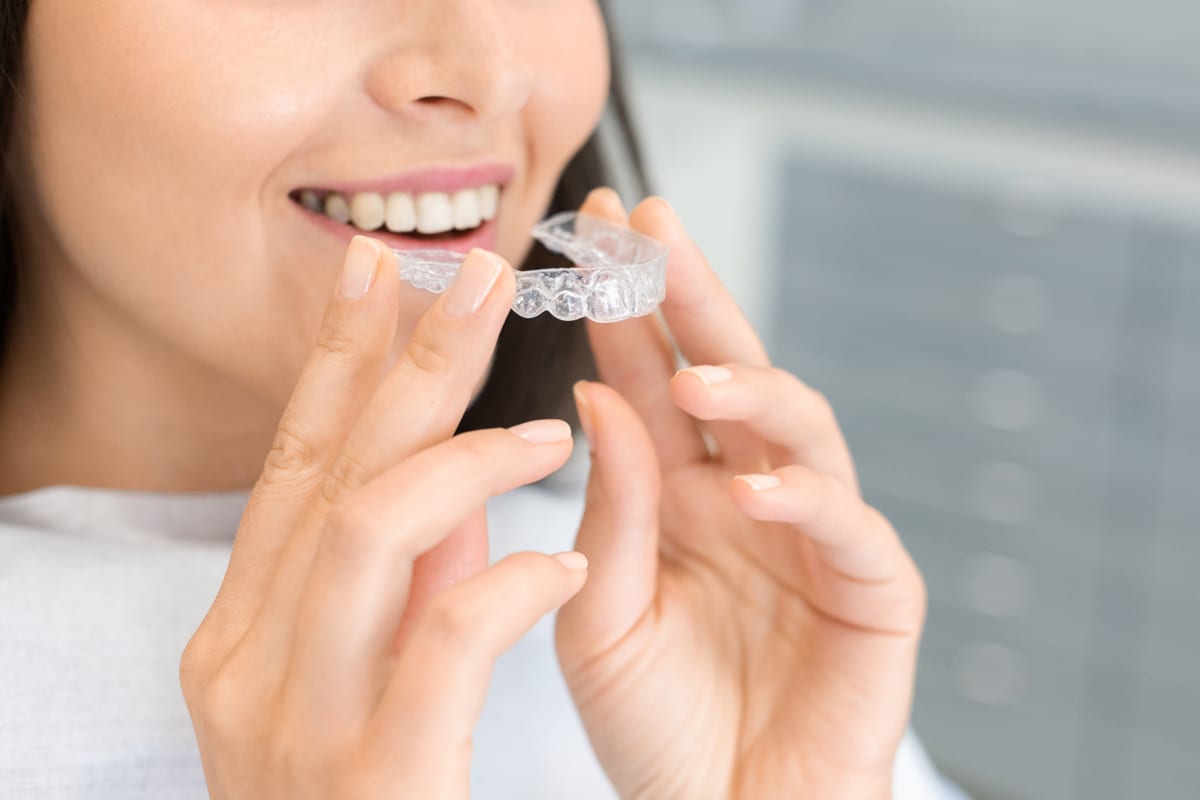
You finished your last Invisalign tray. Your teeth look straighter than ever. It feels like the hard work is finally done. But here in Tulsa, one of the most common mistakes patients make is stopping treatment too soon — skipping the retainer. Understanding why your Invisalign results disappear without a retainer in Tulsa could be the most important thing you read after completing your treatment.
What Happens to Your Teeth After Invisalign?
Invisalign moves your teeth by applying consistent, gentle pressure over time. That pressure shifts teeth through the surrounding bone and soft tissue. When treatment ends, your teeth are in new positions — but they are not permanently locked there yet.
The bone and ligaments around your teeth need time to stabilize. Without support, they will slowly pull your teeth back toward their old positions. Dental professionals call this process relapse.
Relapse can begin within days of stopping retainer use. It happens gradually, so many patients do not notice until significant shifting has occurred. This is exactly why retention is not optional — it is a critical phase of your treatment.
Why Your Invisalign Results Disappear Without a Retainer in Tulsa
Tulsa patients who invest months into Invisalign deserve results that last. Unfortunately, skipping or inconsistently wearing a retainer puts that investment at risk. The teeth have memory — they want to return to where they started.
Several factors influence how quickly relapse occurs:
- Age — younger patients experience faster tooth movement in both directions
- Severity of original misalignment — more complex cases carry higher relapse risk
- Consistency of retainer use — even a few missed weeks can allow visible shifting
- Teeth grinding or clenching habits that place pressure on tooth alignment
- Natural changes in jaw structure that occur as we age
Understanding these risk factors helps patients stay committed to their retainer routine. Dr. Mark Davis discusses each of these factors individually with patients at Perfect Smile Tulsa. This personalized guidance makes a real difference in long-term outcomes.
How Long Do You Actually Need to Wear a Retainer?
This is one of the most common questions patients ask after completing Invisalign. The short answer: longer than most people expect. In the first several months after treatment, full-time wear is typically recommended.
Most dental providers follow a phased retention schedule that looks something like this:
- Months 1–6: Wear your retainer full time, removing only for meals and brushing
- Months 7–12: Transition to nighttime-only wear as your bone begins to stabilize
- Year 2 and beyond: Continue nightly wear indefinitely to prevent long-term relapse
Many patients are surprised to hear that retainer wear is a lifelong habit. But think of it this way — your teeth will always have the tendency to shift. A few hours of retainer wear each night is a small price for a smile that stays straight for decades.
Dr. Mark Davis tailors retention plans to each patient’s specific needs. Some cases require more extended full-time wear before transitioning to nights only.
Types of Retainers Available After Invisalign
Not all retainers are the same. Patients at Perfect Smile Tulsa typically have access to two main options after completing Invisalign. Each type has specific advantages depending on your lifestyle and clinical needs.
Removable clear retainers look similar to Invisalign trays. They are discreet, easy to clean, and comfortable to wear. Most patients prefer this option because it fits seamlessly into their existing routine.
Fixed bonded retainers are thin wires bonded to the back of your teeth. You cannot remove them, which means zero risk of forgetting to wear them. They work especially well for patients who struggled with compliance during Invisalign treatment.
Both options effectively prevent relapse when used as directed. Your dentist will recommend the best choice based on your bite, tooth positions, and habits.
What to Do If Your Teeth Have Already Shifted
Some patients come to Perfect Smile Tulsa after noticing their teeth have moved since completing Invisalign elsewhere. This situation is more common than you might think. The good news is that it is often treatable.
Depending on how much shifting has occurred, options may include:
- Restarting Invisalign treatment with a new series of aligners
- Using a new retainer to hold current positions and prevent further movement
- Exploring cosmetic solutions to address minor aesthetic concerns from mild relapse
It is also worth noting that jaw issues can sometimes complicate orthodontic results. If you experience jaw pain, clicking, or discomfort alongside shifting teeth, that may signal a separate concern. Tmj Treatment Tulsa is available at our practice to address these kinds of issues directly.
For patients with dental anxiety around follow-up visits, Sedation Dentistry Tulsa offers a comfortable, stress-free experience during any dental appointment.
Tips for Staying Consistent With Your Retainer
Knowing you need to wear a retainer is one thing. Actually doing it every night is another. Here are practical strategies to build a sustainable habit:
- Store your retainer case next to your toothbrush so it stays in your routine
- Set a nightly phone reminder until the habit becomes automatic
- Clean your retainer daily to prevent buildup and odor that discourages use
- Schedule regular check-ups with Dr. Mark Davis to monitor your retention progress
- Replace your retainer immediately if it cracks, warps, or no longer fits properly
Consistency is everything during the retention phase. Even skipping your retainer for one or two weeks can allow noticeable shifting to begin. Treat your retainer with the same discipline you gave your Invisalign trays.
Protecting Your Smile for the Long Term in Tulsa
Finishing Invisalign is a major achievement. You committed to the process, wore your trays as directed, and achieved a smile you are proud of. Retainer wear is simply the final step in protecting everything you worked for.
At Perfect Smile Tulsa, Dr. Mark Davis and the team are committed to guiding every patient through the full arc of their orthodontic journey — not just the active treatment phase. We provide clear, personalized retention plans so you never have to guess what comes next.
Your new smile deserves to last a lifetime. Do not let it slip away from skipping a simple nightly habit. Book Now to schedule your appointment with our team.
Frequently Asked Questions
How soon after finishing Invisalign should I start wearing a retainer?
You should begin wearing your retainer immediately after your final Invisalign tray. Even waiting a few days gives teeth an opportunity to begin shifting. Your dentist will fit you for a retainer at or near your final Invisalign appointment so there is no gap in protection.
Can I wear my last Invisalign tray as a retainer?
Some patients use their final aligner temporarily, but it is not designed for long-term retention. Invisalign trays wear down faster than purpose-made retainers. A dedicated retainer is thicker and more durable, making it far more effective for long-term use.
What happens if my retainer no longer fits?
A retainer that no longer fits properly means your teeth have already shifted. Do not try to force it. Contact your dental provider right away. Dr. Mark Davis can assess how much movement has occurred and recommend the best path forward, which may include a new retainer or additional aligner treatment.
Is it normal for teeth to feel tight when I put my retainer in?
Mild tightness after not wearing your retainer for a night or two is common. It signals minor shifting that the retainer is correcting. However, if significant pain or difficulty fitting the retainer occurs, that is a sign of more serious movement and you should schedule a dental visit promptly.
How often should I replace my removable retainer?
Clear removable retainers typically last one to three years with proper care. They can warp, crack, or accumulate bacteria over time. Regular dental check-ups with Dr. Mark Davis allow your provider to assess retainer condition and recommend replacement before fit is compromised.