
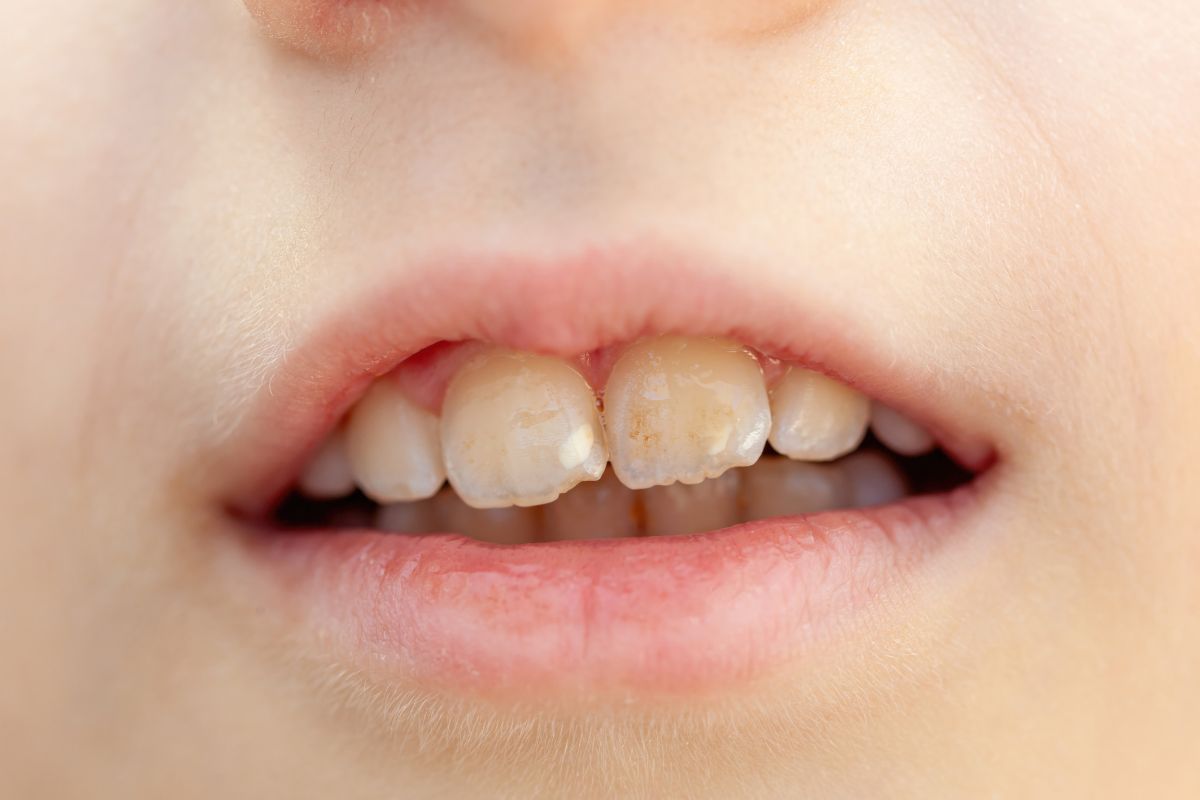
Have you ever noticed small white spots on your teeth while brushing or in photos, and wondered where they came from? You’re not alone. White spots on teeth are fairly common and can show up at any age. While they may seem like a cosmetic issue at first, they often point to changes in tooth enamel that are worth paying attention to early.
These spots can develop gradually or appear suddenly, especially after braces or shifts in oral care routines. While some people consider cosmetic dental procedures to improve their smile, understanding why white spots form is just as important for protecting their teeth and preventing future problems.
What Are White Spots on Teeth?
White spots are areas where the tooth enamel has lost important minerals. Healthy enamel reflects light evenly, but when minerals are missing, those areas appear chalky or cloudy compared to the rest of the tooth. While they don’t always mean decay, they can be an early warning sign that the enamel is weaker in those spots.
Both children and adults can develop white spots, and they can appear on front teeth, near the gumline, or around areas that are harder to clean.
Common Causes of White Spots on Teeth
Poor Oral Hygiene
When plaque sits on teeth for too long, it produces acids that pull minerals from the enamel. Over time, this can lead to white spots, especially around the gums and in areas often missed during brushing and flossing.
Too Much Fluoride
Fluoride helps strengthen teeth, but too much exposure during childhood—especially while teeth are still developing—can lead to a condition called fluorosis. This often shows up as white streaks or spots on permanent teeth.
Acidic Foods and Drinks
Frequent consumption of soda, citrus fruits, sports drinks, and other acidic items can slowly wear down enamel. When enamel weakens, white spots may form as the surface loses minerals faster than it can repair itself.
Dry Mouth or Medical Factors
Saliva helps neutralize acids and protect enamel. If your mouth is often dry due to medications or health conditions, your teeth may be more vulnerable to mineral loss and white spot formation.
Are White Spots a Serious Dental Problem?
In many cases, white spots are more of a cosmetic concern than a medical one. However, they can be an early sign of enamel breakdown. If left untreated, these areas may eventually turn into cavities. That’s why noticing white spots early and understanding what they mean is so important.
How to Prevent White Spots on Teeth?
Preventing white spots often comes down to small daily habits that make a big difference:
- Brush twice a day with fluoride toothpaste
- Floss daily to remove plaque between teeth
- Rinse with water after acidic foods or drinks
- Maintain regular dental checkups and cleanings
If you or your child has braces, taking extra care to clean around brackets is especially important.
How White Spots on Teeth Can Be Treated?
The right treatment depends on how deep the white spots are and what caused them.
Teeth Whitening
In some cases, whitening can help blend white spots with the surrounding enamel, making them less noticeable. This works best for mild discoloration.
Enamel Microabrasion
This gentle process removes a thin outer layer of enamel to smooth out surface-level white spots. It’s often used when spots are shallow and limited to the enamel’s surface.
Remineralization Treatments
Certain professional treatments help restore lost minerals to the enamel. These are commonly recommended when white spots are caught early.
Dental Bonding or Veneers
For more noticeable or stubborn spots, restorative options may be considered. These are part of cosmetic dental procedures that focus on improving the appearance of teeth while protecting their structure.
If you’re unsure which option is right for you, contact us to discuss your concerns and get clear guidance.
Protecting Your Smile and Restoring Its Natural Look with us
White spots on teeth can be surprising, but with the right care and timely attention, they don’t have to become a lasting concern. Understanding the causes of these enamel changes helps you take simple steps to protect your teeth and maintain a healthy, balanced smile. At Perfect Smile Tulsa, we focus on helping patients make informed decisions about their oral health through every stage of life. If you’re looking for guidance from a trusted cosmetic dentist in Tulsa, our dental team provides personalized care and clear treatment options.