
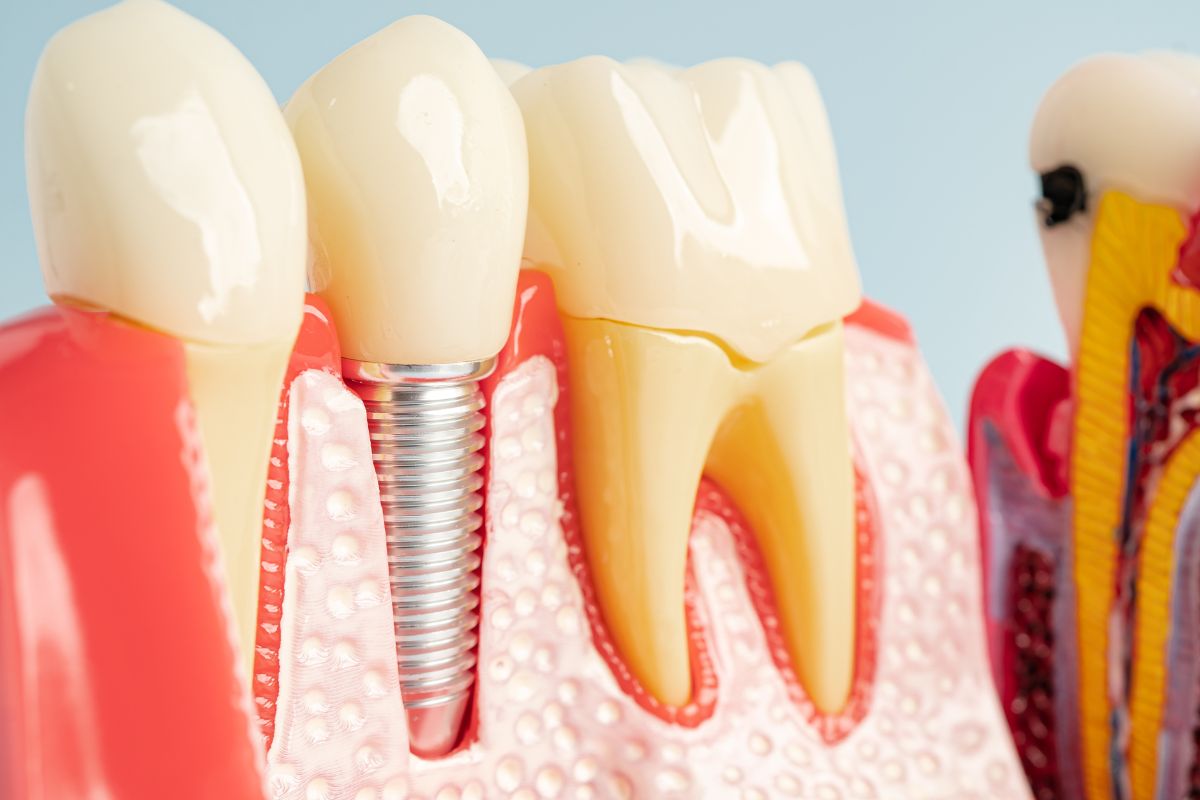
Dental implants are designed to be strong, stable, and long-lasting. Many people, they feel just like natural teeth. But like natural teeth, implants can also develop problems if bacteria build up around them.
In implant dentistry, keeping the gums and bone healthy around the implant is just as important as the implant itself. When bacteria collect near the implant, it can lead to an infection that may threaten the stability of your restoration. The good news? Early warning signs are often easy to spot—if you know what to look for.
Let’s walk through the key symptoms that may indicate your dental implant needs attention.
What Is a Dental Implant Infection?
A dental implant infection happens when bacteria collect in the gum tissue surrounding the implant. In the early stages, the gums may become irritated and inflamed. If left untreated, the infection can spread deeper and affect the bone that supports the implant.
This condition doesn’t usually happen overnight. It often begins with mild symptoms that gradually worsen. Catching the problem early can help prevent more serious damage and protect your investment in your smile.
Common Signs Your Dental Implant May Be Infected
1. Red or Swollen Gums Around the Implant
After your implant has fully healed, the gums around it should look healthy and pink. If you notice redness, swelling, or puffiness around the implant area, it could be a sign of irritation or infection.
Swelling that does not improve after a few days should not be ignored.
2. Bleeding When Brushing or Flossing
Bleeding around a fully healed implant is not normal. While minor bleeding can occur shortly after surgery, it should stop once healing is complete.
If your gums bleed when you brush or floss near the implant, bacteria may be causing inflammation beneath the surface.
3. Persistent Pain or Tenderness
It’s normal to feel mild discomfort immediately after implant placement. However, pain that develops months or years later is a different story.
Ongoing soreness, tenderness when chewing, or throbbing pain around the implant could signal infection. Pain that gets worse instead of better is always worth checking.
4. Bad Taste or Bad Breath That Won’t Go Away
An infection may produce a persistent bad taste in your mouth. Some people also notice ongoing bad breath, even after brushing.
This can happen when bacteria collect around the implant, forming a buildup that is difficult to remove at home.
5. A Loose or Shifting Implant
A dental implant should feel secure. If it begins to feel loose or unstable, this is a serious warning sign.
Infections can weaken the bone supporting the implant. If the bone is affected, the implant may lose stability. This situation requires prompt professional care.
What Causes a Dental Implant Infection?
Several factors can increase the risk of infection around an implant:
- Inconsistent brushing and flossing
- Skipping regular dental visits
- Smoking
- A history of gum disease
- Medical conditions that affect healing
Even a well-placed implant can develop problems if oral hygiene is neglected. Just like natural teeth, implants require daily care.
When Should You Contact Us?
If you notice swelling, bleeding, pain, or changes around your implant that last more than a few days, it’s time to contact us. Waiting too long can allow the infection to spread deeper into the supporting bone.
Early treatment is often simple and much more comfortable than addressing advanced complications. If something feels off, it’s always better to have it checked sooner rather than later.
How Are Infected Dental Implants Treated?
Treatment depends on how early the infection is caught.
In mild cases, professional cleaning around the implant and improved at-home care may be enough. Sometimes, medication is used to control bacteria and reduce inflammation.
If the infection has affected the bone, more advanced treatment may be needed to restore support around the implant. The key is early intervention, which greatly improves the chances of saving the implant.
Can Dental Implant Infections Be Prevented?
Yes, in many cases, they can.
Here’s how to reduce your risk:
- Brush twice daily with proper technique
- Clean carefully around the implant
- Floss daily
- Keep up with routine dental visits
- Avoid smoking
- Follow all aftercare instructions after implant placement
Dental implants can last for many years when cared for properly. Prevention truly makes a difference.
Protect Your Smile and Restore Your Confidence – With Perfect Smile Tulsa
Dental implants are a reliable and long-lasting solution for missing teeth, but they still require attention and care. Recognizing the early signs of infection can help protect both your oral health and your overall well-being.
If you are concerned about your implant or want to learn more about maintaining dental implants in Tulsa, OK, our team is here to help. We focus on helping patients understand their treatment and keep their smiles healthy for the long term. Visit our dental office to ensure your smile stays strong, stable, and healthy.