
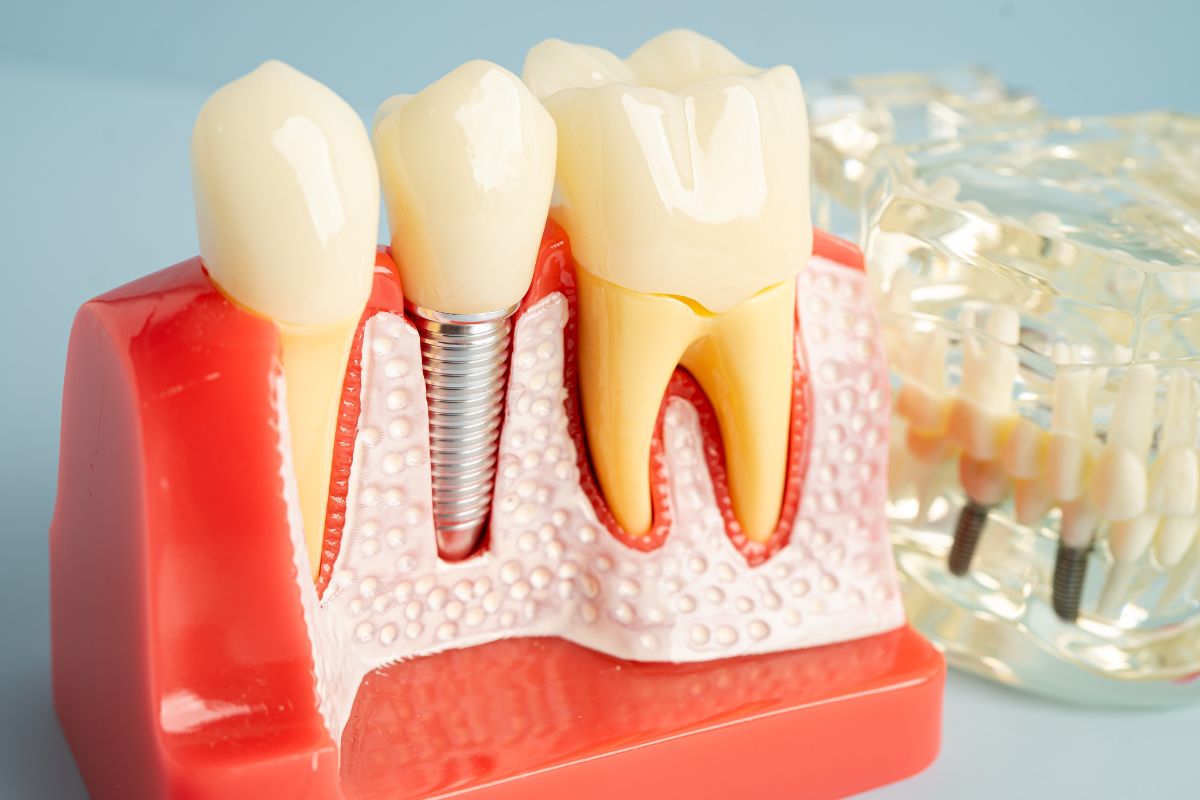
If you have dental implants or are thinking about getting them, you may have heard that bone loss around the implant can occur. It sounds alarming, but it’s more common than you might think, and the good news is that it can often be treated. At Perfect Smile Tulsa, we believe that every patient deserves clear, honest information about their dental health, especially when it comes to understanding what’s happening beneath the surface.
Whether you’ve already undergone the dental implant procedure or you’re still in the planning stage, knowing how bone loss works and what can be done about it helps you make smarter decisions and stay on top of your oral health in the long run.
What Is Bone Loss Around a Dental Implant?
When a natural tooth is lost, the jawbone in that area starts to shrink over time because it’s no longer being stimulated by the tooth’s root. Dental implants are designed to mimic the root and keep the bone active. Most of the time, they do a great job.
But in some cases, the bone around the implant can start to break down, a process called peri-implant bone loss. This is usually the result of inflammation or infection around the implant site, but a few other factors can also play a role.
What Causes Bone Loss Around Dental Implants?
Understanding the cause is the first step toward finding the right fix. Here are the most common reasons bone loss occurs around implants:
- Peri-implantitis: This is the most frequent cause. It’s essentially a gum infection around the implant, similar to gum disease around a natural tooth. Bacteria accumulate at the gum line, trigger inflammation, and, over time, begin to destroy the surrounding bone.
- Poor oral hygiene: If plaque and tartar are allowed to accumulate around an implant, it creates the perfect environment for bacteria to thrive. Implants require just as much daily care as natural teeth.
- Smoking: Tobacco use reduces blood flow to the gums and slows down healing. People who smoke are at a noticeably higher risk of developing bone loss around implants.
- Teeth grinding (bruxism): Constant grinding puts excess pressure on the implant and the surrounding bone, which can cause it to wear down faster than it should.
- Implant placement issues: Sometimes, if an implant isn’t positioned correctly during the procedure, whether too close to a neighboring tooth or at the wrong angle, the bone around it may not heal evenly.
- Medical conditions: Uncontrolled diabetes, autoimmune disorders, and osteoporosis can all affect how well your body maintains bone density, including around implants.
How Is It Diagnosed?
Bone loss around an implant doesn’t usually cause obvious pain right away, which is why routine dental checkups are so important. A dentist will look for several signs during an exam:
- Bleeding or swelling around the implant
- The implant feels loose or unstable
- Receding gum tissue near the implant
- Visible changes on an X-ray showing bone levels dropping
X-rays are the most reliable way to catch bone loss early. That’s why follow-up visits after your implant procedure matter not just in the first year, but on an ongoing basis.
Can Bone Loss Around an Implant Be Fixed?
Yes, in many cases it can. The right treatment depends on how much bone has been lost and what’s causing it. Here’s a breakdown of the most common approaches:
Treating the Infection First
If peri-implantitis is the cause, the infection has to be addressed before anything else. This usually involves a professional deep cleaning around the implant to remove bacteria, calculus, and infected tissue. In more serious cases, antibiotic therapy may also be recommended to bring the infection under control.
Surgical Cleaning (Debridement)
When non-surgical cleaning isn’t enough, a minor surgical procedure may be needed. The gum tissue is gently folded back so the dentist can access and thoroughly clean the implant surface and the bone around it. Any damaged or infected tissue is removed at the same time.
Bone Grafting
If a significant amount of bone has already been lost, a bone graft is often the most effective way to rebuild it. During this procedure, grafting material, which can come from your own body, a donor source, or a synthetic material, is placed where the bone has deteriorated. Over the following months, the graft encourages new bone to grow and fuse in that area, restoring the foundation that holds the implant in place.
Guided Bone Regeneration (GBR)
This technique is often used alongside a bone graft. A special membrane is placed over the graft to protect it and help guide new bone growth in the right direction, preventing soft tissue from growing into the space before the bone has a chance to fill it in.
Implant Removal (In Severe Cases)
In situations where the implant has become too unstable to save, removal may be the most practical option. Once the area heals and the bone has had time to regenerate, a new implant can often be placed successfully.
We’re Here to Help – Contact Us Today
If you’re concerned about bone loss around your implant or you’ve noticed changes in your gum tissue, don’t wait. The earlier it’s caught, the more treatment options are available. Contact us to schedule an evaluation. Our team will take the time to assess your situation, explain what’s happening, and walk you through the best path forward.
How to Prevent Bone Loss Around Implants?
Prevention is always better than treatment, and the steps are pretty straightforward:
- Brush and floss around your implants every day: Plaque doesn’t discriminate; it builds up around implants just as easily as natural teeth. Use a soft-bristled toothbrush and floss designed for implants or an interdental brush to clean around the base.
- Keep your regular dental appointments: Professional cleanings and X-rays allow your dental team to monitor bone levels and catch any early warning signs before they become bigger problems.
- Quit smoking if you smoke: This is one of the single biggest things you can do to protect your implants. Smoking significantly increases the risk of peri-implantitis and slows healing throughout the mouth.
- Address teeth grinding: If you grind your teeth at night, talk to your dentist about a night guard. Reducing that constant pressure can make a real difference in how long your implant stays healthy.
- Manage underlying health conditions: Keeping conditions like diabetes well-controlled supports better healing and bone maintenance throughout your body, including your jaw.
What to Expect During Recovery After Bone Graft Treatment
If you do need a bone graft or surgical treatment for peri-implant bone loss, recovery is generally manageable. Most patients experience some swelling and mild discomfort for the first few days, which can usually be handled with over-the-counter pain relievers and ice packs.
Your dentist will likely recommend a soft-food diet for a short period and may prescribe antibiotics to prevent infection. Full bone regeneration takes time, often several months, before a follow-up implant procedure can proceed if one was removed. Staying in touch with your dental team throughout this process ensures everything is healing as it should.
How Long Do Dental Implants Last When Properly Maintained?
With good oral hygiene and regular professional care, dental implants can last decades, even a lifetime, for many people. Bone loss is one of the main reasons implants fail prematurely, which is exactly why monitoring and prevention are so important.
The implant itself doesn’t decay the way a natural tooth does, but the structures supporting it, your gums and jawbone, still need consistent attention. Think of it like maintaining a house: the foundation has to stay solid, or everything built on top of it is at risk.
Restoring Your Smile and Your Confidence With Us
Bone loss around a dental implant may feel overwhelming when you first hear about it, but it’s a treatable condition, especially when it’s caught early. Whether you need a professional deep cleaning, a bone graft, or just a conversation about what you’re noticing, the right care can make a significant difference.
We are committed to helping patients throughout Tulsa and nearby areas protect and preserve their smiles, including those built with dental implants. For anyone considering or already living with dental implants, having a trusted dental team by your side means you’re never navigating these decisions alone. Our goal is to provide thorough, compassionate care at every stage of your implant journey. Visit the dental office today, we’re here to make sure your smile stays healthy, strong, and built to last.
Q: Is it normal to feel some movement in my implant years after it was placed?
A: No, a healthy implant should never feel loose. Any movement means something needs to be evaluated, whether it’s bone loss, a loose component, or another issue. Don’t wait to get it checked.
Q: Can bone loss happen even if I’m brushing and flossing regularly?
A: Yes, it can. Genetics, certain medications, uncontrolled health conditions, and implant placement can all contribute to bone loss even with good home care. That’s why regular professional checkups are still essential.
Q: If my implant has to be removed due to bone loss, will I be able to get a new one?
A: Often, yes. Once the area heals and the bone regenerates, sometimes with a graft, a new implant can frequently be placed. Your dentist will assess bone volume and density before moving forward.
Q: Are there any signs of early bone loss I can notice at home?
A: Receding gum tissue around the implant, tenderness when pressing on that area, or persistent bad breath that doesn’t go away with brushing can all be warning signs. Mention any of these at your next visit or sooner if they worsen.