
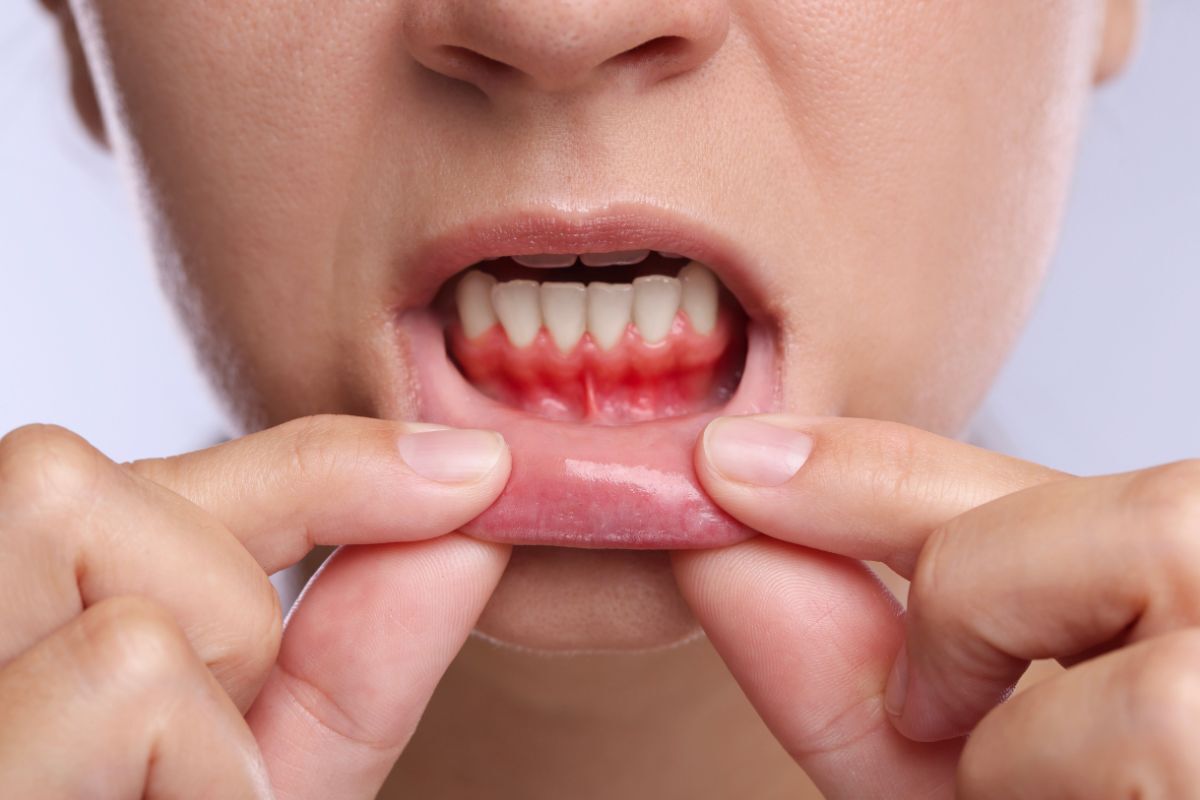
Have your teeth started looking longer, or have you noticed sensitivity near your gums? These subtle changes are often early signs that your gums are receding. Although many people believe this happens naturally with age, receding gums are usually linked to an underlying oral health condition that should be evaluated. Identifying the cause early can help slow the progression and protect the teeth and supporting tissues.
Many patients also wonder whether receding gums can be stopped or if the damage is permanent. In many cases, timely periodontal treatment, consistent oral hygiene, and professional care can help prevent the condition from worsening.
At Perfect Smile Tulsa, Dr. Davis regularly evaluates patients with receding gums to determine the underlying cause and recommend the most appropriate course of care. In this guide, you’ll learn why gums recede, the available treatment options, when professional evaluation is recommended, and what you can do to support healthier gums over the long term.
Understanding Gum Recession And Its Causes
Gum recession occurs when the gum tissue gradually pulls away from the teeth, exposing more of the tooth surface and sometimes the roots. It develops when the tissues supporting the teeth are damaged or weakened over time.
Unlike a cut on your skin, lost gum tissue does not usually regenerate on its own. Once the gum line moves downward, treatment focuses on preventing further damage and protecting the remaining tissues.
Several factors can contribute to this condition, including:
- Plaque buildup that remains on the teeth
- Hardened tartar buildup below the gums
- Brushing too aggressively
- Teeth grinding or clenching
- Misaligned teeth that create uneven biting forces
- Tobacco use
- Genetic predisposition
- Poorly controlled diabetes
- Previous orthodontic movement in susceptible patients
One of the most common causes is inflammation triggered by oral bacteria living within a sticky bacterial biofilm. Without regular removal, these bacteria irritate the gums and begin damaging the structures that support the teeth.
What Are the Initial Signs of Receding Gums?
Early signs often appear gradually and may not cause pain, making routine dental examinations crucial for early diagnosis.
Many patients first notice cosmetic changes before discomfort develops.
Common symptoms include:
- Teeth appearing longer than before
- Increased sensitivity to hot, cold, or sweet foods
- Exposed tooth roots
- Small spaces developing between the teeth
- Bleeding during brushing or flossing
- Persistent bad breath
- Tender or swollen gums
As the condition progresses, gum tissue loss can affect the stability of the surrounding tissues. Some patients also develop deeper gum pockets, making daily cleaning more difficult and allowing bacteria to remain below the gums.
A patient may notice increased sensitivity to cold for several months before realizing that the gum line has changed. During an examination, measurements around each tooth often reveal early tissue changes that are not obvious at home.
Can Receding Gums Be Stopped?
Yes, in many cases, the progression can be stopped when the underlying cause is identified and treated early.
Pausing a gingival recession depends on why it developed in the first place. Simply changing your toothbrush may help if aggressive brushing caused the problem, but inflammation caused by infection requires professional care.
Dentists begin by identifying factors such as:
- Active periodontal infection
- Bite problems
- Brushing technique
- Tobacco use
- Medical conditions affecting healing
- Teeth grinding
- Existing restorations that trap plaque
If inflammation is present, reducing the bacterial load becomes the priority. This protects the remaining tissues and supports long-term periodontal health.
At times, patients often ask if waiting a few months will make a difference. Mild recession can remain stable, but recession linked to active infection usually continues unless the underlying cause is addressed.
Explore Your Treatment Options for Gum Recession
Treatment depends on the cause and severity of the recession. Mild cases may respond to improved home care, while advanced cases often require professional procedures.
No single approach works for everyone because every patient’s condition is different.
-
Professional deep cleaning
When bacteria extend beneath the gums, dentists may recommend periodontal therapy to remove plaque and hardened deposits below the gum line. This helps reduce inflammation and creates an environment where the tissues can heal more effectively.
-
Gum disease management
Patients with active infection may also require treatment for gum disease to control bacterial growth and reduce damage to the supporting tissues around the teeth.
-
Correcting contributing factors
Additional recommendations may include:
- Using a soft-bristled toothbrush
- Learning a gentler brushing technique
- Wearing a night guard for grinding
- Adjusting bite issues when necessary
- Improving daily flossing habits
- When recession becomes advanced, dentists may discuss procedures that restore lost tissue and improve protection around the tooth roots. These recommendations depend on the amount of remaining connective tissue, the condition of the supporting bone, and the overall health of the surrounding gums.
Understanding the cause of the recession allows treatment to focus on preventing further damage rather than merely managing symptoms.
Can Receding Gums Grow Back Naturally?
In most cases, receding gums do not grow back naturally. Once the tissue has pulled away from the tooth, it usually cannot regenerate on its own.
That does not mean treatment is unsuccessful. The primary goal is to stop further gum recession, reduce inflammation, and preserve the remaining tissue. If significant tissue has been lost, your dentist may recommend procedures that rebuild coverage over the exposed roots.
For advanced cases, treatment options may include:
- Gum grafting to replace lost tissue
- Regenerative procedures for selected cases with bone loss
- Correcting bite forces that place excessive stress on certain teeth
- Ongoing maintenance visits to monitor healing
Not every patient needs surgery. Many people successfully stabilize their condition through periodontal therapy, improved oral hygiene, and routine professional care.
How Can Untreated Gum Recession Affect Your Oral Health?
Untreated gum recession may continue to progress, increasing the risk of sensitivity, root decay, loose teeth, and further damage to the supporting structures.
Ignoring the problem allows bacteria to remain beneath the gums, where they can continue causing gum inflammation and deeper periodontal pockets. As these spaces become harder to clean, additional plaque accumulates and may accelerate tissue breakdown.
Over time, untreated recession can lead to:
- Greater tooth sensitivity
- Root surface cavities
- Ongoing bleeding during brushing
- Persistent bad breath
- Reduced gum support
- Loss of jawbone support
- Tooth mobility in advanced cases
These changes do not happen overnight. Regular dental evaluations often identify small changes before they become major concerns, making treatment more conservative and predictable.
When Should You See a Dentist for Gum Recession?
Schedule an evaluation if you notice changes in your gums, increased tooth sensitivity, bleeding, or teeth that appear longer than before.
Many people delay treatment because the condition is painless during its early stages. However, a professional examination can determine whether the recession has stabilized or if active disease is still present.
A comprehensive evaluation may include:
- Measuring the depth around each tooth
- Assessing areas of gum attachment loss
- Checking for signs of gum infection
- Evaluating brushing habits and bite alignment
- Reviewing X-rays to assess supporting structures
These examinations help determine whether monitoring, gum disease treatment, or additional procedures are appropriate.
If you have noticed increasing sensitivity or visible changes in your gums, now is the right time to book an appointment with our trusted dental care provider. Early evaluation often allows problems to be managed before more extensive treatment becomes necessary.
Protect Your Gums Before Recession Progresses
Healthy gums provide the foundation for a healthy smile. Although lost tissue rarely returns on its own, early care can often stop further gum recession, reduce inflammation, and protect the teeth for years to come. If treatment is necessary, periodontal treatment can help manage the condition and keep your gums healthier in the long run.
If you are concerned about receding gums or have noticed changes around your teeth, our dentist can evaluate the cause and recommend appropriate care based on your individual needs. Visit our Tulsa practice for a thorough examination and to learn which treatment options can help preserve your gums and support your long-term oral health.