
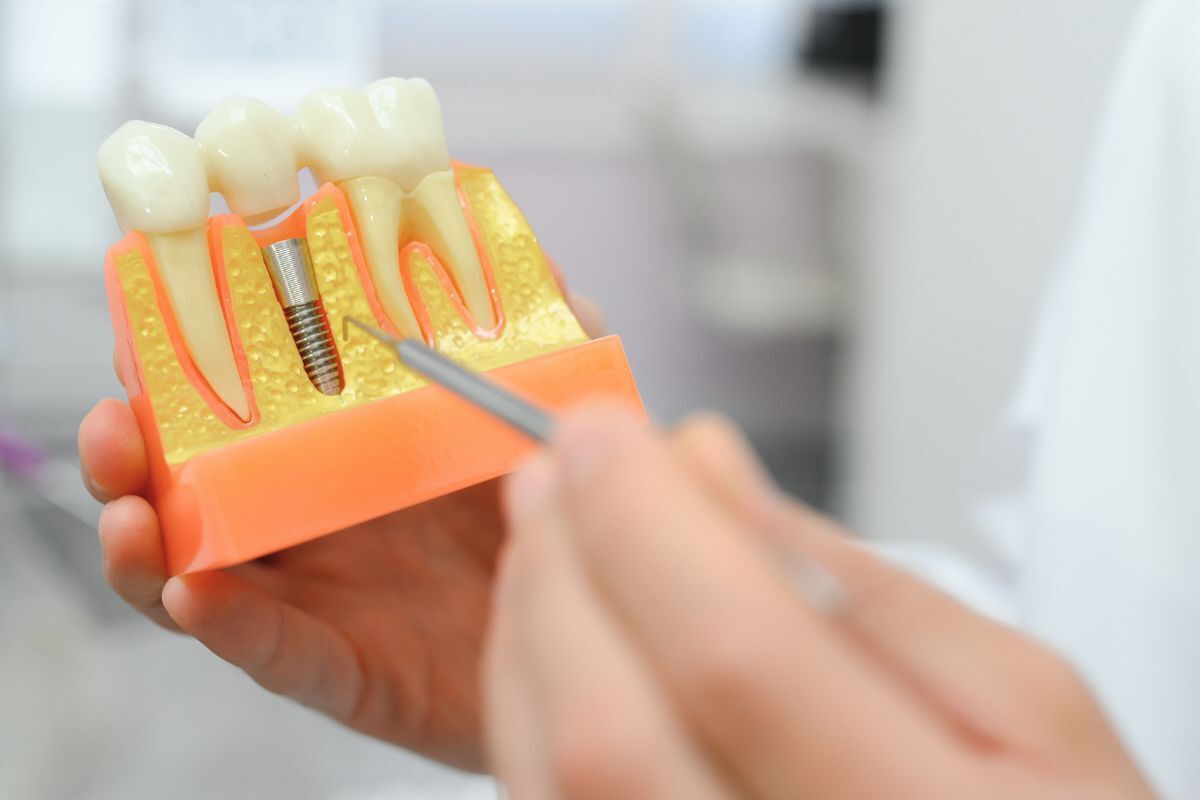
One of the first questions people ask when considering implants is whether they’ll need a bone graft first, and it’s a fair concern. Bone grafting adds time, cost, and an extra step to the process, so it makes sense that patients want to know if there’s a way around it. The honest answer is that it depends on the individual case, but no, a bone graft isn’t automatically required for everyone. Adequate bone density and volume in the jaw can allow moving straight to implant placement, and understanding what determines that is helpful before starting any orthodontic or implant treatment plan.
At Perfect Smile Tulsa, this is one of the most common questions Dr. Mark Davis fields during implant consultations. Every case is different, and a proper evaluation is really the only way to know for sure, but there are some general patterns worth understanding.
Why Bone Grafting Is Sometimes Needed at All?
Dental implants work by fusing directly with the jawbone, which is what gives them the stability and strength that allow them to function much like natural teeth. That fusion process, called osseointegration, requires enough healthy bone in the right location to support the implant securely.
When a tooth has been missing for a while, the jawbone in that area often begins to shrink, a process called bone resorption. Without the stimulation a tooth root normally provides, the body simply doesn’t maintain that bone the way it once did. Gum disease, injury, and long-term denture wear can also contribute to bone loss over time. When there isn’t enough bone left to properly anchor an implant, a graft is used to rebuild that foundation before moving forward.
What Determines Whether You Need One?
A few factors go into this decision, and it usually comes down to a combination of imaging, medical history, and the implant’s location.
How long has the tooth been missing? The longer a tooth has been gone, generally speaking, the more bone loss has occurred in that spot. Someone getting an implant shortly after an extraction is often in a better position than someone replacing a tooth that’s been missing for years.
Which tooth is being replaced? The lower jaw tends to be denser overall, which sometimes makes grafting less necessary there than in certain areas of the upper jaw, particularly toward the back, where the sinus cavity sits close to the bone.
Overall bone density: This varies naturally from person to person, and factors like age, smoking history, and certain medical conditions like osteoporosis can affect it. A 3D scan gives a clear picture of exactly how much bone is present and whether it’s sufficient.
Existing dental history: Long-term denture wearers or those with a history of gum disease are more likely to have experienced bone loss that would need to be addressed before implant placement.
Situations Where Grafting Can Often Be Skipped
There are a few scenarios in which patients are more likely to proceed directly to implant placement without a graft first.
Immediate implant placement after extraction: In cases where a tooth is removed and there’s still healthy bone surrounding it, an implant can sometimes be placed on the same visit or shortly after, before significant bone loss occurs.
Naturally dense bone structure: Some people simply have more bone volume than others in the area being treated, which is determined through imaging rather than assumption.
Shorter or narrower implants: In certain cases, a slightly shorter or narrower implant can be used to work with the existing bone rather than requiring it to be built up first. This isn’t right for every situation, but it’s an option worth discussing depending on the location.
Zygomatic implants for the upper jaw: For patients with significant bone loss in the upper jaw who want to avoid grafting, an alternative implant technique that anchors into the cheekbone rather than the jaw itself is sometimes an option, though this is a more specialized treatment used less frequently.
When Grafting Really Is the Better Option?
Even when there are ways to potentially avoid grafting, it’s sometimes still the better long-term choice. If bone loss is significant, skipping the graft and placing an implant anyway can lead to instability, a shorter implant lifespan, or complications down the road. In these situations, a graft, even though it adds time upfront, tends to lead to a more predictable, longer-lasting result. It’s generally better to take the extra step than to rush into implant treatment on a foundation that isn’t quite ready to support it.
What a Bone Graft Actually Involves?
For anyone facing this step, it helps to know it’s usually less involved than it sounds. A small amount of bone material, either from the patient, a donor source, or a synthetic option, is placed in the area needing support. Over the following months, this integrates with the existing bone, creating a stronger foundation for the implant. Healing time varies depending on the extent of the graft, but it’s a well-established, routine part of many implant treatment plans.
How to Find Out Which Category You Fall Into?
The only real way to know whether bone grafting is necessary is through a proper evaluation, which typically includes a 3D imaging scan to assess bone volume and density in the exact area being treated. This gives a much clearer picture than a visual exam alone and helps map out a treatment plan that fits your specific situation, rather than a generic timeline.
If you’ve been putting off asking about implants because you’re worried about needing a bone graft, it’s worth having that conversation directly rather than assuming. Contact us to schedule a consultation, and we’ll take a look at your specific case together.
What does this mean for Planning Ahead?
If you know you’ll eventually need an implant, addressing it sooner rather than later can sometimes reduce the chances of needing a graft, since bone loss tends to progress the longer a tooth stays missing. That said, if grafting does turn out to be necessary, it shouldn’t be seen as a setback; it’s simply part of building a stable, long-term foundation for your new tooth.
Find Out What’s Right for Your Smile
Whether or not you’ll need a bone graft really comes down to your individual bone structure and dental history, and that’s something best determined through a proper evaluation rather than guesswork. Our team is ready to walk you through your options and build a plan that fits your needs. Visit our dental practice in Tulsa to learn more about your options and take the next step toward restoring your smile with dental implants.