
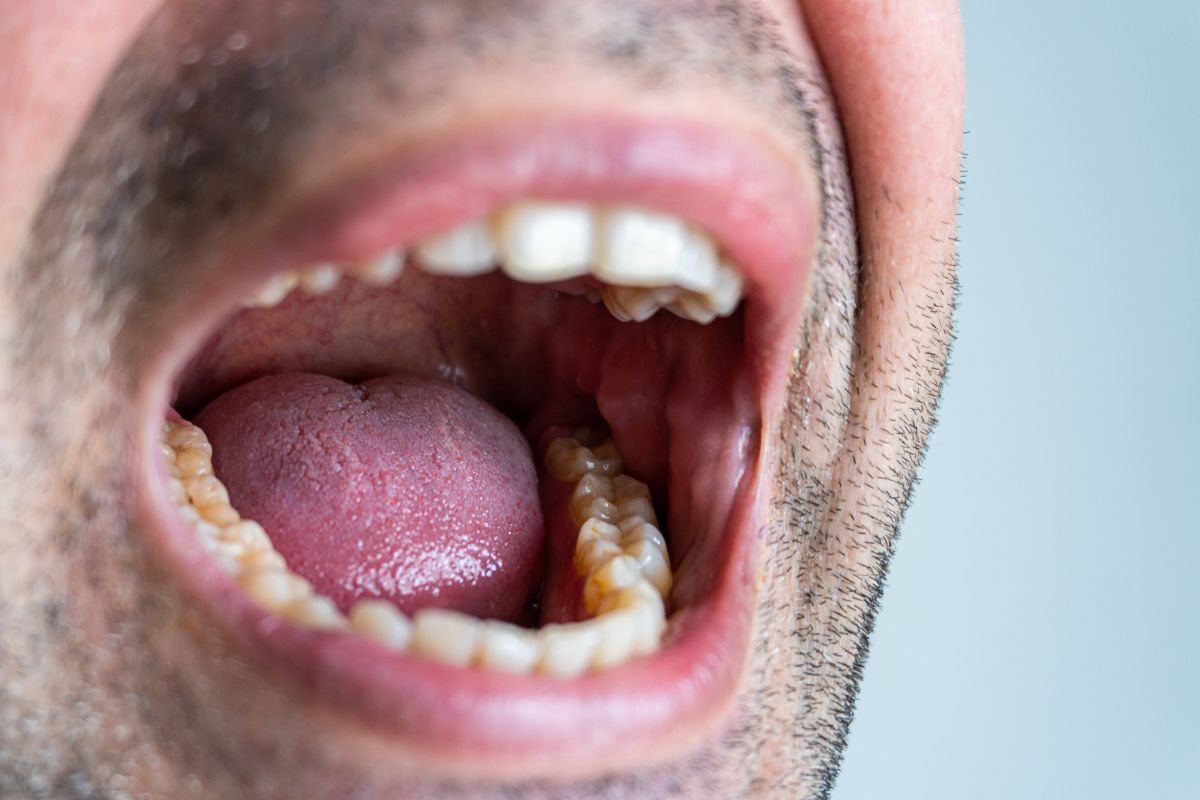
Dry mouth, also known as xerostomia, is a condition where the salivary glands in your mouth don’t produce enough saliva. While it may seem like a minor issue, saliva plays a crucial role in maintaining oral health, aiding digestion, protecting teeth from decay, and preventing bacterial overgrowth. Persistent dry mouth can lead to serious complications if not adequately addressed. Understanding the root causes and knowing how to manage the condition is key to maintaining both comfort and oral health.
Why Is Saliva So Important?
Before we explore what causes dry mouth, it’s helpful to understand why saliva is essential. Saliva helps keep your mouth moist, neutralizes acids produced by bacteria, and washes away food particles. It also contains enzymes that aid in digestion. A consistent lack of saliva can lead to tooth decay, gum disease, bad breath, and difficulty swallowing or speaking.
Common Causes of Dry Mouth
Dry mouth can result from various medical, lifestyle, or environmental factors. Here are some of the most common causes:
1. Medications
Many over-the-counter and prescription medications list dry mouth as a side effect. These include antihistamines, antidepressants, blood pressure medications, muscle relaxants, and medications for Parkinson’s disease.
2. Medical Conditions
Dry mouth is commonly associated with health conditions such as diabetes, stroke, yeast infection (thrush) in the mouth, Alzheimer’s disease, and autoimmune diseases like Sjögren’s syndrome.
3. Cancer Treatments
Chemotherapy can alter the composition of saliva, while radiation treatments to the head and neck can damage salivary glands, significantly reducing saliva production.
4. Nerve Damage
Injuries or surgery that cause nerve damage to the head and neck area can lead to dry mouth.
5. Lifestyle Factors
Smoking, alcohol consumption, and excessive caffeine intake can all contribute to a dry mouth. Even breathing through your mouth, especially while sleeping, can worsen the condition.
6. Dehydration
Simply not drinking enough water or losing fluids through sweating, vomiting, or diarrhea can also cause temporary dry mouth.
How Can You Treat Dry Mouth?
Fortunately, there are several effective ways to relieve and manage dry mouth. Treatment depends on the underlying cause; however, the following strategies can help alleviate symptoms and maintain your oral health.
Stay Hydrated
Drinking water frequently throughout the day can help maintain moisture in your mouth. Sipping water during meals can also aid in the process of chewing and swallowing.
Chew Sugar-Free Gum or Lozenges
Chewing sugar-free gum or sucking on sugar-free lozenges can help stimulate saliva flow. Look for products containing xylitol, which also helps prevent cavities.
Use a Humidifier
Running a humidifier at night can add moisture to the air, preventing your mouth from drying out while you sleep.
Avoid Triggers
Limit caffeine, alcohol, and tobacco. These substances can further reduce saliva production and worsen symptoms.
Practice Good Oral Hygiene
Brush with fluoride toothpaste, floss daily, and use an alcohol-free mouthwash designed for dry mouth. This helps protect your teeth and gums.
Consult a Dentist
If you have chronic dry mouth, a professional evaluation is essential. A Dentist in Tulsa, OK, can assess your symptoms and recommend treatments like saliva substitutes, fluoride treatments, or medication adjustments.
Conclusion
Dry mouth is more than just an uncomfortable inconvenience—it can signal an underlying health issue and lead to serious dental problems if left untreated. If you’re experiencing persistent dry mouth, don’t wait. Perfect Smile is here to help you find relief and restore comfort to your daily life. Contact us today to schedule a consultation and take the first step toward better oral health.