
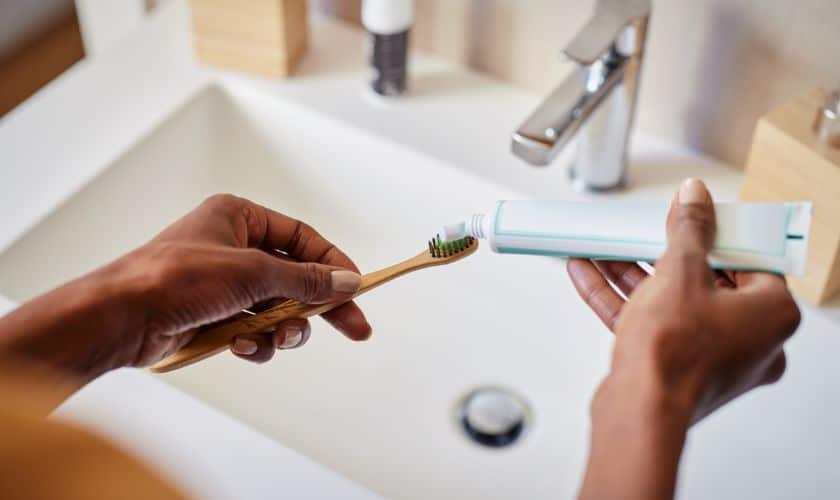
In the quest for a dazzling smile, many turn to whitening toothpaste as a convenient solution. But does it truly deliver the promised results? Let’s delve into the science behind whitening toothpaste to separate fact from fiction.
Understanding Whitening Toothpaste
Whitening toothpaste is specially formulated to remove surface stains from teeth through abrasive particles or chemical agents. These toothpastes often contain ingredients like hydrogen peroxide or baking soda, which claim to lighten tooth color over time.
How Does Whitening Toothpaste Work?
The active ingredients in whitening toothpaste work by breaking down stains on the enamel surface of the teeth. Abrasive particles help scrub away surface stains, while chemical agents penetrate deeper to dissolve discoloration.
The Effectiveness of Whitening Toothpaste
While whitening toothpaste can effectively remove surface stains, its ability to whiten teeth significantly varies from person to person. For those with minor discoloration or yellowing due to coffee or tea consumption, whitening toothpaste may yield noticeable results over time. However, for deeper stains or intrinsic discoloration, professional teeth whitening treatments may be necessary for desired outcomes.
Limitations and Considerations
It’s important to manage expectations when using whitening toothpaste. Results are often subtle and may take weeks or months to become noticeable. Additionally, overuse of abrasive toothpaste can lead to enamel erosion, making teeth more susceptible to sensitivity and cavities.
Complementary Whitening Techniques
To enhance the effectiveness of whitening toothpaste, consider incorporating other whitening techniques into your oral care routine. This may include whitening strips, trays, or professional treatments offered by dentists specializing in teeth whitening.
Maintaining Whitened Teeth
Once you’ve achieved your desired level of whitening, maintaining results is key. Consistent oral hygiene practices, such as brushing twice daily with whitening toothpaste, flossing, and regular dental check-ups, can help prevent new stains and preserve your bright smile.
Conclusion:
Whitening toothpaste can be a convenient and cost-effective option for achieving a brighter smile, especially for those with minor surface stains. However, it’s essential to manage expectations and understand its limitations. For more significant whitening results, consider professional treatments provided by cosmetic dentists specializing in teeth whitening.
So, does whitening toothpaste really work? The answer lies in its ability to effectively remove surface stains, though it has limitations in addressing deeper discoloration, by understanding how whitening toothpaste works and managing expectations, you can make informed decisions about your oral care routine and achieve a brighter, healthier smile.