
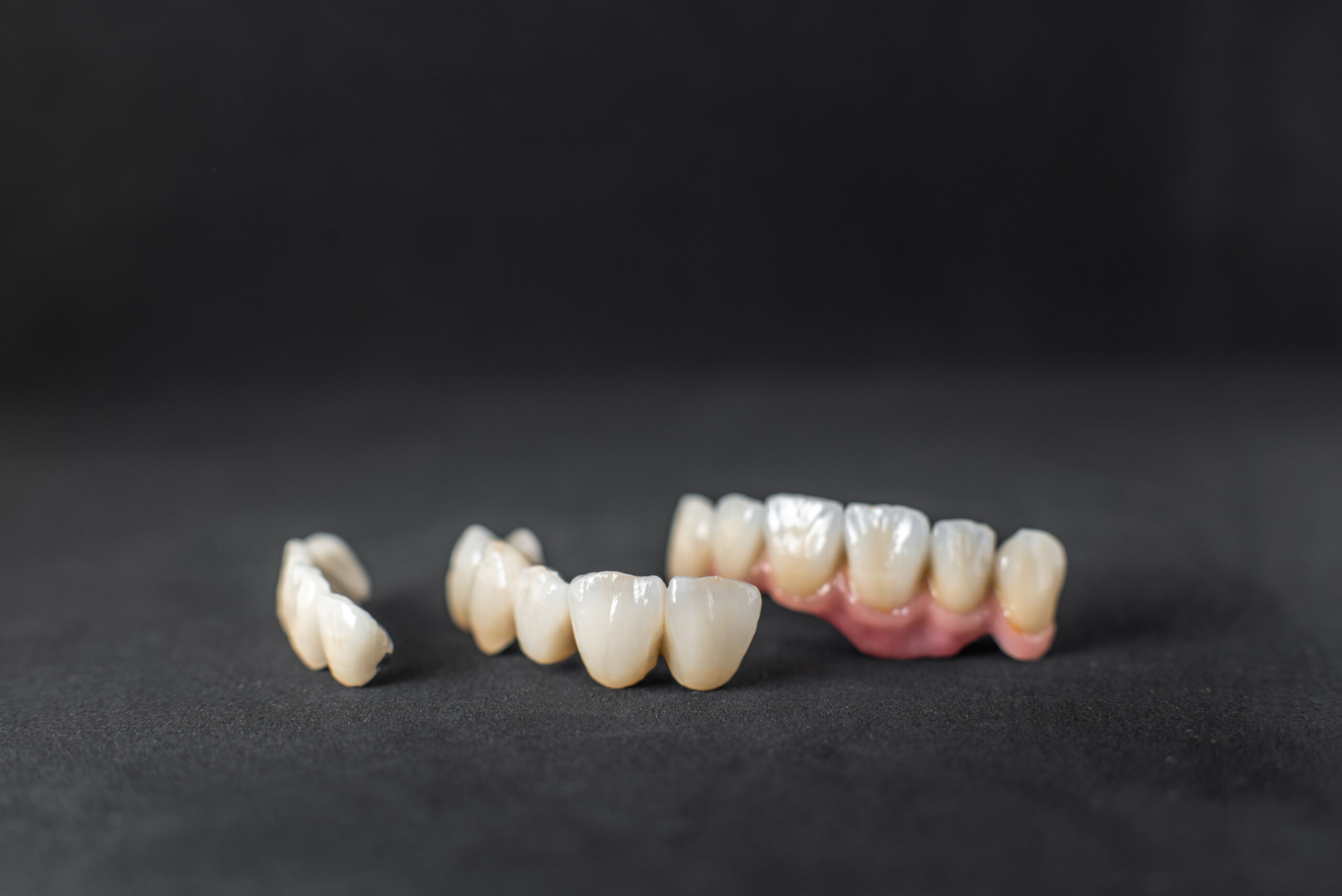
Dental crowns are considered the go-to solution for many dentists and patients when restoring damaged or weakened teeth. However, one common question remains: Are dental crowns stronger than natural teeth?
It’s a valid concern, as people want their restorations to last and function longer, similar to their natural counterparts.
In this guide, we’ll explore how the strength of tooth caps compares to natural enamel, why they might be a better option, and whether they meet patients’ requirements.
If you’re considering this tooth restoration option, a licensed Tulsa dentist will help you decide about capped teeth and your long-term oral health.
What Makes Natural Teeth So Resilient?
Natural teeth are incredibly strong thanks to enamel, the hard outer layer of the tooth. In fact, enamel is the hardest substance in the human body—even harder than bone.
Why are natural teeth strong?
- Enamel Composition: Made of tightly packed mineral crystals, mainly hydroxyapatite.
- Shock Absorption: Natural teeth are supported by the periodontal ligament, which acts like a cushion during chewing.
- Biological Functions: Natural teeth can respond to minor trauma and, with the help of fluoride and saliva, can sometimes even remineralize small areas of early decay.
Despite their strength, natural teeth can still be damaged by decay, trauma, grinding, and aging. This often requires restorative options like crowns.
How Durable Are Dental Crowns?
They are custom-made caps that fit over your existing tooth structure. They’re designed to restore strength, shape, and function. In many cases, they are also helpful in improving appearance. But just how strong are they?
Types of dental crowns:
Porcelain or Ceramic
These are highly aesthetic and often used for front teeth. While beautiful, they are not the strongest material available.
Porcelain-Fused-to-Metal (PFM)
These combine the look of porcelain with added strength from a metal core.
Zirconia
One of the most durable options, zirconia crowns are ideal for molars and patients who grind their teeth.
Gold
Though less common for visible teeth, gold crowns are extremely tough and long-lasting.
Comparison of Dental Crowns with Natural Tooth
- Crowns are non-porous, which means they won’t decay like enamel.
- Zirconia and metal options often outperform natural teeth in resisting cracks or chips.
- They offer full coverage, protecting the underlying tooth from further damage.
When Do Dental Crowns Outperform Natural Teeth?
In some situations, a crown can be a superior choice over retaining the natural structure. They include-
- After a Root Canal: Treated teeth become brittle after RCT. A dental crown protects against fracture.
- Large Fillings or Tooth Loss: A crown restores strength if too much natural structure is missing.
- Cracked Teeth: A crown can hold the tooth together and prevent further breakage.
- Chronic Teeth Grinding (Bruxism): Strong materials like zirconia can withstand extreme pressure better than worn enamel.
What Affects the Lifespan of a Crown?
Even the strongest crown isn’t invincible. Several factors determine how long a crown will last:
- Material: Gold and zirconia crowns generally last the longest.
- Oral Hygiene: The tooth caps can’t decay, but the tooth underneath still can.
- Habits: Grinding, chewing on hard items, or using teeth as tools can damage crowns.
- Placement: A well-fitted crown placed by an experienced professional is key to longevity.
With proper care, crowns can last 10–15 years or more, often longer.
Dental Crowns vs. Natural Teeth: Side-by-Side
| Feature | Natural Teeth | Dental Crowns |
| Durability | Strong, but prone to decay | Extremely durable (esp. zirconia) |
| Self-Repair | Minor enamel repair is possible | No self-repair, protects the tooth |
| Appearance | Naturally colored | Color-matched for aesthetics |
| Decay Risk | Susceptible to cavities | Crown won’t decay, but the tooth can |
| Shock Absorption | Excellent (via ligaments) | Slightly less flexible |
| Lifespan | Lifelong with good care | 10–20+ years with maintenance |
Should You Choose a Dental Crown?
You might be a good candidate for a crown if:
-
- Your tooth has had multiple fillings or past restorations.
- You’ve experienced a fracture or break.
- You’ve had a root canal.
- You grind your teeth.
- You want to improve the look of a discolored or misshapen tooth.
Crowns are not only functional but also cosmetic. They can dramatically improve the strength and appearance of your smile.
Are Crowns Stronger Than Natural Teeth?
In certain cases, yes. Crowns made from materials like zirconia or metal can be stronger and more resistant to fracture than natural enamel, particularly when the original tooth has been weakened.
Although no material perfectly mimics the biology of natural teeth, modern dental crowns offer an impressive combination of strength, protection, and aesthetics.
Are You the Right Candidate for Crown Installation?
They are ideal for teeth that:
- Have been weakened by tooth decay
- Cannot hold a filling
- Have undergone a root canal procedure
- Need a restoration
- Are broken or cracked
- Are misshapen or discolored
Dental crowns can often be stronger than natural teeth in specific situations, but require proper care and maintenance. If you’re considering a crown to restore the function and appearance of a damaged tooth, contact Perfect Smile Tulsa to explore your options and protect your smile for the long term.