
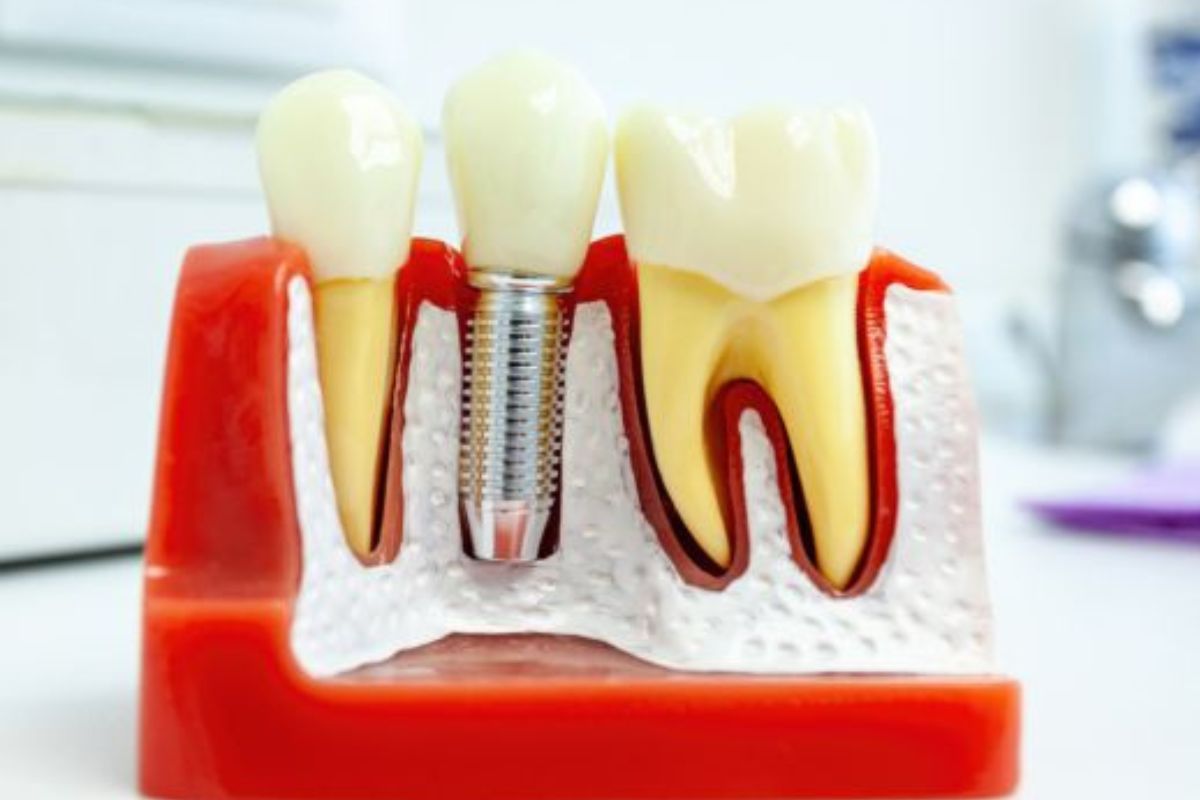
Getting dental implants is an exciting step toward restoring your smile, but the days right after surgery are important. With the right care, you can support healing, reduce discomfort, and protect your implant for the long run. Here’s a simple, clear guide to help you know exactly what to expect and what to do during recovery.
What to Expect Right After Dental Implant Surgery?
It’s completely normal to notice some swelling, mild soreness, or a little bleeding during the first 24 hours. These are all part of the natural healing process. Your body is adjusting to the new implant, and with consistent care, things should improve every day.
However, if pain increases instead of decreasing, or if bleeding becomes heavy or persistent, notify your dentist right away.
Early Aftercare Tips to Support Healing
1. Managing Bleeding and Discomfort
After surgery, your dentist will place a piece of gauze over the area. Bite down gently to control bleeding. If needed, replace it with clean gauze as directed.
A cold compress on the cheek can help reduce swelling, especially in the first 24 hours. Resting with your head slightly elevated can also make a big difference in comfort.
Over-the-counter pain relief may be recommended to manage any soreness, but always follow your dentist’s instructions.
2. Eating and Drinking Safely
For a few days, stick to soft foods—things like yogurt, smoothies, mashed potatoes, and scrambled eggs.
Avoid anything crunchy, chewy, or spicy, as these can irritate the healing site.
Skip hot drinks until the numbness fully wears off, and try not to chew on the side where the dental implant was placed.
3. Keeping the Area Clean
Good hygiene supports better healing, but the implant site needs a gentle approach at first.
-
You can start brushing your other teeth the same day.
-
Avoid brushing directly on the surgical area for a couple of days.
-
After 24 hours, begin rinsing with warm salt water a few times a day. This helps soothe the tissue and prevent bacterial growth.
-
Stay away from mouthwashes with alcohol, as they may irritate the area.
These steps help prevent infection while letting the implant settle properly.
Oral Hygiene Tips for Long-Term Implant Health
Once the area begins to heal, treating your dental implant like a natural tooth is key. Daily cleaning helps protect the gums and ensures long-term success.
Here’s what works best:
-
Use a soft-bristled toothbrush to avoid irritating the gum tissue.
-
Floss gently around the implant to prevent buildup.
-
If your dentist recommends small interdental brushes, choose ones designed for implants to avoid scratching the surface.
These habits strengthen the tissues surrounding the implant and help keep your smile healthy.
Habits to Avoid During Recovery
Some activities can slow healing or compromise the stability of your dental implants. Try to avoid:
-
Smoking or vaping
-
Drinking through a straw
-
Spitting forcefully
-
Intense workouts during the first few days
Giving your body time to heal helps the implant integrate properly with the bone.
Caring for Dental Implants After the First Week
By the end of the first week, most patients feel significantly better. You can slowly return to your normal diet and routines as long as you’re comfortable.
Continue brushing and flossing every day, keep an eye on the gum area, and visit your dentist regularly for checkups. Long-term success depends on consistency, and a little extra attention goes a long way.
Get Better Implant Care with Perfect Smile Tulsa
With the right steps, caring for your dental implants after surgery can be simple and stress-free. And if you ever have questions or concerns during healing, the team at Perfect Smile Tulsa is here to help. If you’re in Tulsa, OK, and need support with post-implant care or want to make sure your healing is on track, contact us today.