
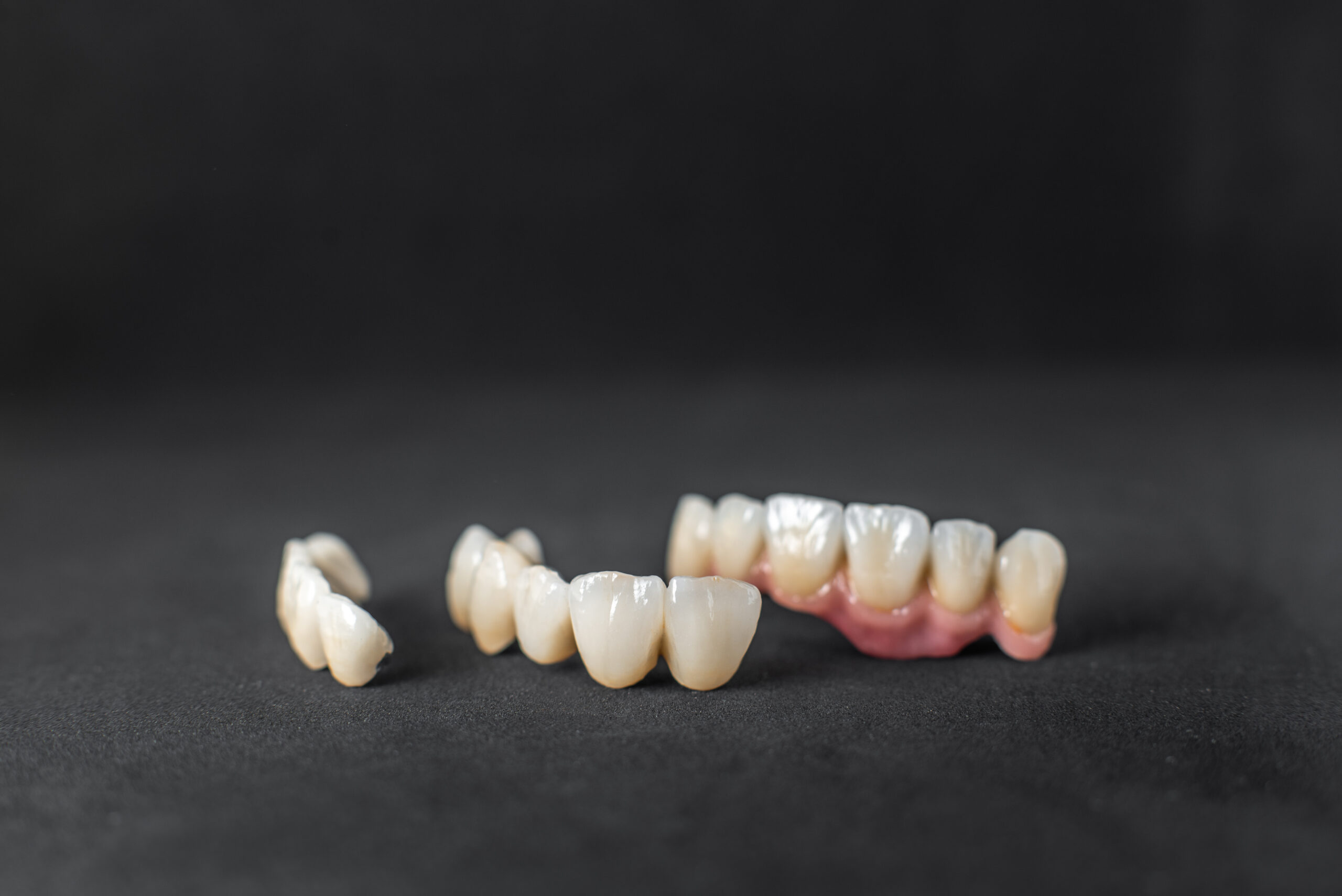
Dental crowns are one of modern dentistry’s most reliable and versatile restorations. Whether used to protect a damaged tooth, support a dental bridge, or complete a dental implant, crowns offer long-lasting function and aesthetics. However, one of the patients’ most common questions is: How long do dental crowns typically last?
The answer depends on various factors, including the type of material used, the patient’s oral hygiene habits, and even lifestyle choices. In this blog, we’ll explore the average lifespan of dental crowns, what influences their durability, and how you can extend their longevity.
Average Lifespan of Dental Crowns
On average, dental crowns last between 10 to 15 years. However, with excellent care, some crowns can last as long as 20 to 30 years. It all comes down to a mix of proper maintenance, dental hygiene, and regular dental check-ups.
Here’s a breakdown by crown material:
-
Porcelain-fused-to-metal (PFM): 10–15 years
-
All-ceramic or porcelain: 10–15 years
-
Gold or metal alloys: 20 years or more
-
Zirconia: 15–20 years
The stronger the material and the better the fit, the longer the crown is likely to last.
Factors That Affect the Lifespan of a Crown
Several variables can impact how long your dental crown will last:
1. Material Type
As noted, different crown materials have varying lifespans. Gold and metal crowns are known for their durability, while ceramic and porcelain offer better aesthetics.
2. Oral Hygiene
A crown itself won’t decay, but the tooth underneath can. Brushing twice a day, flossing daily, and using mouthwash can protect the tooth beneath your crown from decay and gum disease.
3. Biting and Chewing Habits
If you grind your teeth (bruxism), bite your nails, or use your teeth to open packages, you could crack or wear down your crown prematurely. A custom night guard can help protect crowns if you grind your teeth at night.
4. Location in the Mouth
Crowns on molars are exposed to more pressure from chewing and may wear out faster than those on front teeth.
5. Routine Dental Visits
Regular dental check-ups help identify early issues like tiny cracks or decay forming near the crown’s margin. Your dentist can catch and fix problems before they become serious.
Extending the Life of Your Crown
To make your crown last as long as possible, follow these tips:
-
Brush with a fluoride toothpaste twice a day
-
Floss daily, especially around the crown area
-
Avoid hard or sticky foods that can dislodge or damage the crown
-
Wear a night guard if you grind your teeth
-
Keep up with regular dental cleanings and exams
If you’re considering Dental Crowns in Tulsa or are unsure whether your current crown needs to be replaced, a dental consultation can help you make an informed decision.
When to Replace Your Dental Crown?
Even with the best care, crowns don’t last forever. It might be time to replace your crown if:
-
It feels loose or wobbly
-
You see a crack or chip
-
The gum around it becomes swollen or recedes
-
You experience sensitivity or pain
-
There’s visible decay around the edges
Your dentist can evaluate whether a crown repair or full replacement is needed.
Restore Your Smile with Confidence
If you’re noticing signs of wear on your crown or are looking to improve your dental health, our team at Perfect Smile Tulsa is here to help. We offer high-quality, long-lasting dental crowns custom-designed to blend naturally with your smile.
Contact us today to schedule your appointment or visit our dental office in Tulsa to learn more about our restorative dental services. Let us help you protect your smile for years to come!