
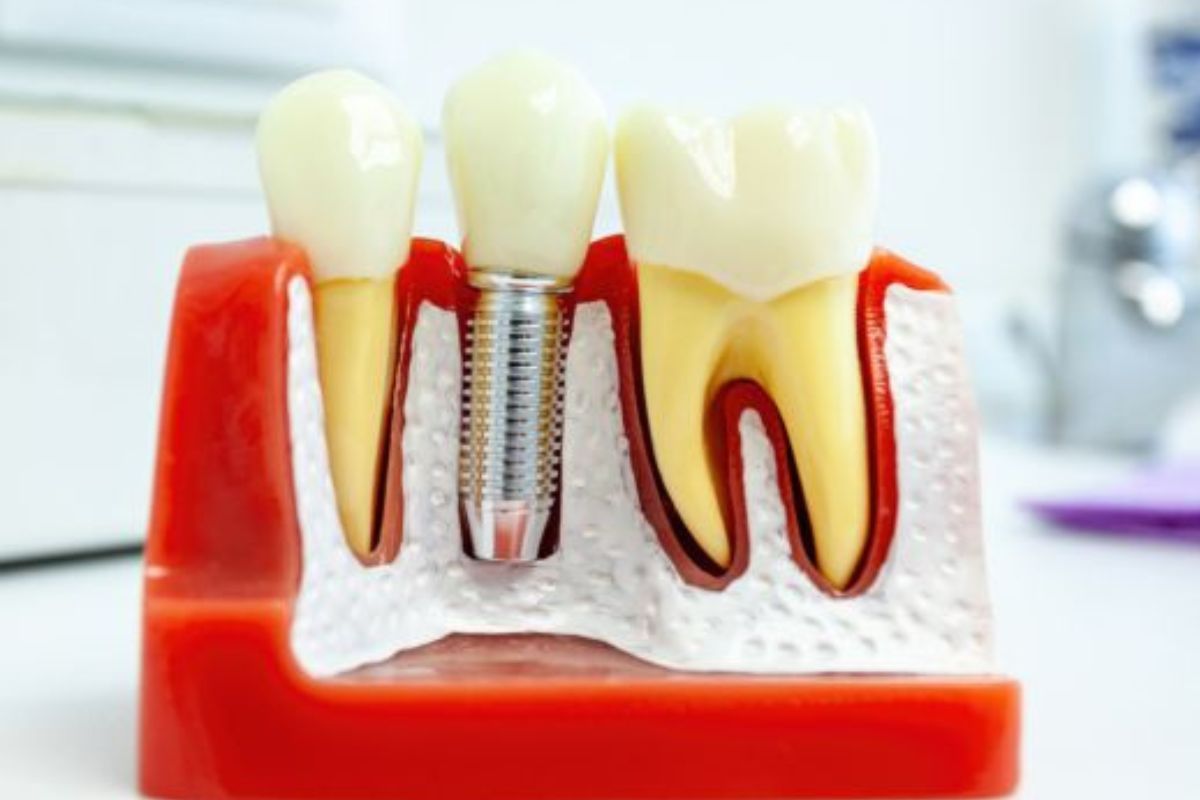
Dental implants are one of the most reliable ways to replace missing teeth and restore your smile. When properly cared for, they can last for decades and feel just like your natural teeth. However, just like real teeth, implants can sometimes develop infections if the surrounding gums and bone aren’t kept healthy. Recognizing the signs early can make all the difference in protecting your investment and oral health.
Why Dental Implants Sometimes Get Infected?
Although dental implants have a high success rate, they can still face complications. One of the most common is peri-implantitis, an infection that affects the gum and bone around the implant.
This often happens when bacteria build up around the implant post due to poor oral hygiene, smoking, or pre-existing gum disease. An infection can occur shortly after surgery if the area doesn’t heal properly. The sooner these problems are addressed, the more likely your dentist is to save the implant and prevent bone loss.
Common Symptoms of a Dental Implant Infection
If you have dental implants, it’s essential to pay attention to how they look and feel. Here are some of the most common symptoms of infection:
1. Red or Swollen Gums
Healthy gums around an implant should appear pink and firm. If you notice redness, puffiness, or tenderness, it could mean bacteria are irritating the tissue.
2. Bleeding While Brushing or Flossing
A small amount of bleeding once in a while isn’t always a concern, but consistent bleeding near an implant is a sign of inflammation that needs attention.
3. Pain or Discomfort
Mild soreness is normal right after placement, but ongoing pain or pressure around a healed implant may indicate infection or tissue damage.
4. Loose or Shifting Implant
A properly integrated dental implant should never move. If it feels wobbly, the bone supporting it has weakened due to infection.
5. Pus or Bad Taste
Any discharge, foul taste, or persistent bad breath may signal an active infection beneath the gumline.
What to Do If You Notice These Symptoms?
If you notice any of these signs, don’t wait for them to go away alone. Dental implant infections can progress quickly, damaging the bone and soft tissue that hold the implant in place.
Schedule an appointment with your dentist as soon as possible. Treatment may include deep cleaning around the implant, antibiotic therapy, or adjustments to improve healing. In more advanced cases, the implant may need to be removed and replaced once the infection is resolved. Acting early gives you the best chance of saving your implant and avoiding more complex procedures later on.
How to Prevent Dental Implant Infections?
Prevention is always better than treatment when it comes to your smile. To keep your dental implants healthy:
- Brush and floss daily to remove plaque around the implant.
- Visit your dentist regularly for professional cleanings and exams.
- Avoid smoking, which can slow healing and increase infection risk.
- Follow all aftercare instructions closely following implant surgery.
With good habits and regular checkups, you can ensure your dental implants remain strong, stable, and infection-free for years to come.
Get Lasting Dental Implants Care You Can Trust – Visit Perfect Smile Tulsa
If you live in Tulsa, ok, and suspect your dental implant might be infected, don’t ignore the warning signs. The sooner you seek professional help, the easier it is to protect your oral health and smile. Visit Perfect Smile Tulsa today and get the expert care your dental implants deserve.