
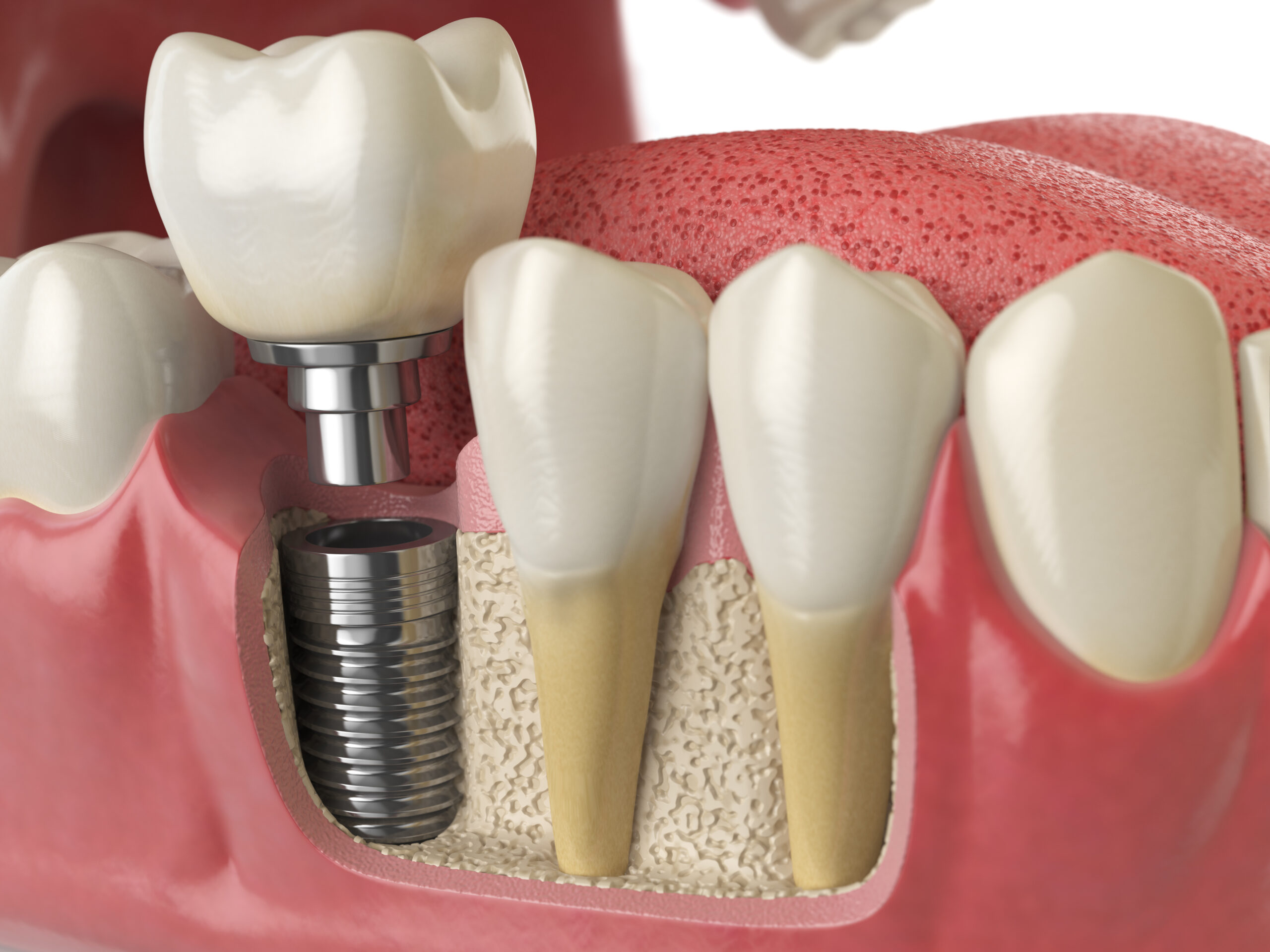
Dental implants are a popular and reliable way to restore missing teeth, but some patients may feel a bit sensitive afterward. That feeling can range from a little discomfort to sharp pains when biting or drinking something cold. Usually, this sensitivity doesn’t last long, but knowing what causes it and how to handle it is good. In a friendly city like this, where keeping a healthy smile boosts confidence both personally and professionally, implants become necessary. However, understanding how to manage the sensitivity can help make the process feel much easier. Let’s look at common reasons for this sensitivity and simple ways to make getting dental implants in Tulsa more comfortable.
Why Do Dental Implants Cause Sensitivity?
Unlike natural teeth, implants do not have nerves, which means they do not have the sensation that natural teeth do. However, the surrounding gums, jawbone, and tissues can become sensitive during the healing phase after the implant procedure or if an issue develops later on.
Sensitivity in these areas may result from various factors, including inflammation, infection, or other complications related to the implant. It’s important to monitor any unusual sensations and consult your dental professional if you experience persistent discomfort or sensitivity.
- Gum inflammation during the early healing period.
- Bite alignment issues are putting extra pressure on the implant.
- Bone healing discomfort after surgery.
- Poor oral hygiene leads to peri-implantitis (gum infection around the implant).
What Should You Do If Your Implant Feels Sensitive?
It’s normal to wonder how much discomfort is “too much.” Here are the practical next steps:
- Monitor your symptoms: Mild discomfort may ease as healing progresses.
- Avoid triggers: Limit very hot, cold, or hard foods for a few weeks.
- Maintain hygiene: Gentle brushing and flossing keep the gums clean.
- Schedule a checkup: Persistent sensitivity needs evaluation by your dentist.
Residents often balance busy schedules with health appointments, but addressing implant discomfort early prevents bigger complications later.
A Closer Look at Implants
When it comes to dental implants, patients benefit from access to advanced dental technology and highly skilled professionals. Choosing a local implant dentist ensures you receive:
- Personalized aftercare tailored to your healing timeline.
- Modern imaging tools for accurate placement and adjustment.
- Community-based care where your provider understands local lifestyles and expectations.
This local expertise makes recovery smoother and long-term implant success more likely.
When Is Sensitivity a Serious Concern?
Sensitivity isn’t always a warning sign, but specific symptoms require immediate attention. Ask yourself:
- Is the discomfort increasing rather than improving?
- Do I notice swelling, bleeding, or a bad taste near the implant?
- Is biting down painful, or does the implant feel loose?
If the answer is yes to any of these, it may indicate infection, implant failure, or bite misalignment. Seeking professional care quickly protects your investment and your smile.
Practical Tips for Easing Implant Sensitivity
Here are everyday strategies you can try at home:
- Use a soft-bristled toothbrush.
- Switch to toothpaste for sensitive teeth.
- Rinse with a saltwater solution to soothe gums.
- Eat softer foods during flare-ups.
- Avoid grinding or clenching your teeth.
Schedule Your Appointment
Implant sensitivity can feel concerning, but with the right knowledge and timely care, it rarely becomes a long-term issue. Our patients who address symptoms early and follow our guidance usually enjoy strong, lasting results.
If you’re experiencing sensitivity or considering implants, don’t wait. At Perfect Smile Tulsa, we offer expert guidance, advanced treatment options, and compassionate care tailored to your needs. Contact us to book a consultation today for dental implants and protect the comfort and longevity of your new smile.