
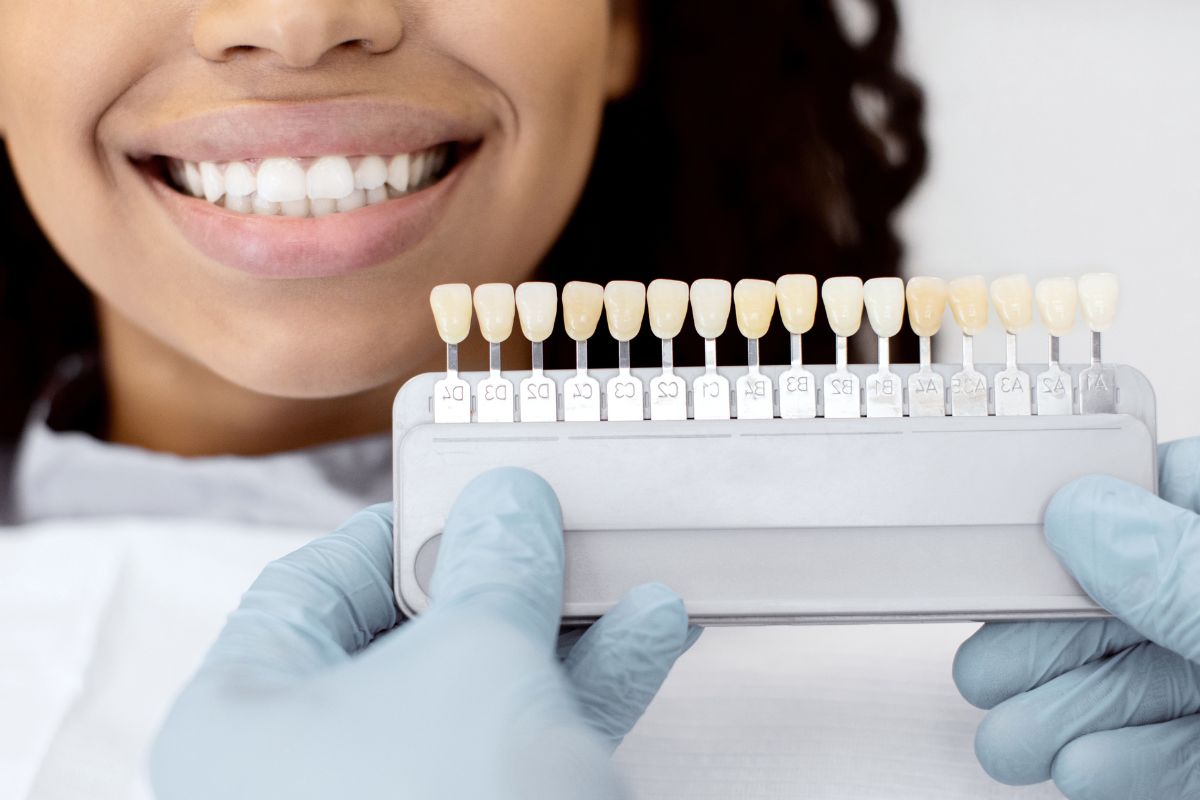
If you have uneven teeth but don’t want to wear braces, you may wonder whether dental veneers can create a straighter-looking smile.
The answer depends on the cause and severity of the unevenness. In many cases, veneers can improve the appearance of mildly uneven or slightly misaligned teeth, but they are not designed to correct every alignment problem.
Many adults in Tulsa and nearby locations seek cosmetic alternatives to achieve faster smile improvements without months or years of orthodontic treatment. Understanding when these tooth shells are appropriate and when braces remain the better choice helps you make an informed decision.
At Perfect Smile Tulsa, Dr. Davis carefully evaluates each patient’s bite, tooth position, and oral health before recommending treatment. This guide explains how they work, who may benefit from them, and what you should know before deciding.
Can Veneers Fix Uneven Teeth?
Yes, dental veneers can improve the appearance of mildly uneven teeth, but they do not physically move teeth into new positions.
Instead, these restorations reshape the visible surfaces of teeth to create a more balanced and symmetrical smile. They can change:
- Tooth width
- Tooth length
- Tooth shape
- Minor spacing
- Small overlaps
- Slight rotations
- Uneven edges
Because veneers only change appearance, they are considered a cosmetic treatment rather than an orthodontic one.
If unevenness results from significant bite problems or severe crowding, orthodontic treatment may still be recommended before cosmetic dentistry.
Which Types of Uneven Teeth Can Veneers Improve?
Not every alignment issue requires braces. Some cosmetic concerns respond well to these dental restorations because they affect appearance more than function.
-
Slightly Crooked Teeth
People with small rotations or minor crowding often ask, can veneers fix uneven teeth without braces?
In selected cases, yes. These restorations can conceal mild irregularities by reshaping the visible tooth surface.
-
Uneven Tooth Length
Sometimes a tooth appears shorter due to wear, genetics, or previous dental damage.
A veneer can restore proper proportions, creating a more balanced smile.
-
Minor Gaps Between Teeth
Small spaces between teeth may be closed cosmetically without orthodontics.
Instead of moving teeth together, porcelain tooth shells widen the visible surfaces to eliminate unwanted gaps.
-
Misshapen Teeth
Some teeth naturally develop with unusual shapes or inconsistent proportions.
Veneers improve tooth size, contour, and symmetry for a more harmonious appearance.
-
Worn or Chipped Teeth
Years of grinding or accidental damage can make teeth appear uneven.
These restorations restore damaged enamel while improving overall smile aesthetics.
When Are Veneers Not the Right Choice?
Although veneers provide impressive cosmetic improvements, they cannot correct every orthodontic problem.
The dentist, DR.Davis, may recommend braces or clear aligners first if you have:
- Severe crowding
- Significant tooth rotations
- Major bite problems
- Jaw alignment issues
- Crossbite
- Open bite
- Deep overbite
- Large spacing between multiple teeth
These conditions involve tooth movement rather than cosmetic reshaping.
Attempting to mask significant alignment issues with veneers alone could compromise both appearance and long-term oral health.
Veneers vs. Braces: What’s the Difference?
Many patients ask whether veneers, rather than braces, are the better option.
The answer depends on your goals.
|
Veneers |
Braces |
|
Improve appearance |
Move teeth into proper position |
|
Cosmetic solution |
Orthodontic treatment |
|
Results in a few visits |
Treatment usually takes months |
|
Do not change bite |
Correct bite problems |
|
Ideal for mild cosmetic concerns |
Ideal for moderate to severe misalignment |
If your primary concern is improving the appearance of your smile, porcelain shells may be appropriate. If your teeth require functional correction, orthodontic treatment usually produces healthier long-term results.
How Does a Dentist Decide Which Treatment You Need?
No two smiles are identical. Before recommending treatment, your dentist evaluates several important factors, including:
- Bite alignment
- Tooth position
- Jaw relationship
- Gum health
- Enamel thickness
- Existing restorations
- Overall oral health
- Cosmetic goals
For example, someone with a single, slightly rotated front tooth may benefit from veneers to address uneven teeth. Another patient with crowded teeth affecting their bite may achieve better long-term results by starting with orthodontics.
This personalized evaluation helps ensure that cosmetic improvements also support healthy function.
If you’re unsure how to fix uneven teeth without braces, scheduling a professional consultation is the safest first step. The dental team at our office can evaluate your smile, explain all available options, and answer your questions. Contact us to learn which treatment best matches your needs.
Can Veneers Last for Many Years?
Porcelain tooth shells are designed to be durable, but their longevity depends on proper care and healthy habits.
Patients can help protect their investment by:
- Brushing twice daily
- Flossing every day
- Wearing a nightguard if they grind their teeth
- Avoiding biting hard objects
- Attending routine dental checkups
- Addressing bite issues promptly
Although veneers resist stains better than natural enamel, maintaining excellent oral hygiene remains essential for long-term success.
What Can You Expect During the Veneer Process?
Understanding each step can help you feel more confident before starting treatment.
1. Comprehensive Smile Evaluation
Your dentist examines your teeth, bite, gums, and overall oral health to determine whether porcelain shells are suitable. Digital images and impressions may also be taken to help plan your new smile.
2. Smile Design
Every veneer is customized to complement your facial features and existing teeth. The goal is to create a balanced smile appearance while preserving as much healthy tooth structure as possible.
3. Tooth Preparation
A very small amount of enamel is gently removed to make room for the veneers. This allows them to fit naturally without adding unnecessary bulk.
4. Veneer Placement
Once your custom restorations are ready, your dentist carefully bonds them to your teeth, checks your bite, and makes any final adjustments for comfort and appearance.
The result is a natural-looking smile that improves tooth shape, proportion, and overall aesthetics.
What Are the Benefits and Limitations of Veneers?
Understanding both advantages and limitations helps you make an informed decision.
Benefits
- Improve the appearance of mildly uneven teeth
- Create a more symmetrical smile
- Enhance tooth shape and proportion
- Cover small chips, cracks, and discoloration
- Blend naturally with surrounding teeth
- Resists stains better than natural enamel
- Deliver noticeable cosmetic improvement in relatively few appointments
Limitations
- Do not move teeth into proper alignment
- Cannot correct significant bite problems
- Require healthy enamel for proper bonding
- May eventually need replacement
- Not appropriate for every patient
A professional evaluation ensures you receive treatment that supports both appearance and long-term oral health.
Can Veneers Replace Braces for Everyone?
No, these restorations can improve the appearance of mild alignment concerns, but they cannot replace orthodontic treatment in every situation.
Patients with severe crowding, bite irregularities, or significant tooth movement needs usually benefit more from braces or clear aligners.
For patients with veneers for slightly crooked teeth, minor spacing, worn edges, or irregular tooth shapes, tooth shells can often provide impressive cosmetic improvements without orthodontics.
The most appropriate option depends on your individual smile rather than a one-size-fits-all solution.
How Do You Know Which Option Is Right for You?
Many people delay treatment because they are unsure whether their uneven teeth are cosmetic or functional.
A professional evaluation provides answers that online articles cannot.
Your dentist will determine:
- Whether your bite is healthy
- If veneers alone can achieve your goals
- Whether orthodontic treatment should come first
- How to preserve healthy tooth structure
- Which option offers the most predictable long-term outcome
Even if you hope to avoid braces, an evaluation ensures you choose a treatment that supports both appearance and function.
Find the Right Solution for Your Smile
If you’re wondering whether dental veneers can improve uneven teeth without braces, the answer depends on your individual smile. For patients with mild cosmetic concerns, these restorations can create a more even, attractive appearance by improving tooth shape, size, and proportion. However, more complex alignment problems often require orthodontic treatment before cosmetic procedures.
At our dental office, our dental team takes the time to evaluate your teeth, bite, and smile goals before recommending treatment. Every recommendation is based on your oral health and the results you want to achieve.
If you’re ready to explore your options, visit our dental office at 5301 S Lewis Ave, Tulsa, OK 74105. Schedule a consultation to learn whether porcelain veneers are the right choice for your smile and take the next step toward lasting cosmetic smile improvement.