
Losing a tooth can feel overwhelming, whether it happened suddenly from an injury, gradually from decay, or as the result of gum disease that finally caught up with a tooth’s support structure. Once the shock wears off, one question comes up in almost every consultation we do: “How soon can I fix this?”
The honest answer is: it depends. Timing for dental implant treatment isn’t one-size-fits-all, and getting it right matters just as much as choosing the right implant in the first place. Place it too early in the wrong conditions, and you risk complications. Wait too long unnecessarily, and you risk losing bone that makes treatment harder down the road. This guide walks through how that timing decision is actually made, what to expect at each stage of dental implant treatment, and what the risks look like, so you can walk into a consultation already understanding your options.
How Teeth Are Lost in the First Place
Understanding why a tooth was lost often shapes how soon it can be replaced. The most common causes we see include:
- Untreated decay that eventually destroys enough of the tooth structure that it can’t be saved
- Advanced gum disease (periodontitis), which breaks down the bone and ligament holding the tooth in place
- Trauma or injury, such as a sports accident or a fall, which can fracture a tooth beyond repair
- Failed root canals, where infection persists despite treatment
- Cracked teeth, especially those that split below the gumline
Each of these leaves the surrounding bone and gum tissue in a different condition, which is exactly why timing isn’t universal. A tooth lost to sudden trauma in an otherwise healthy mouth is a very different starting point than a tooth lost after months of infection.
Why Replacing a Missing Tooth Matters
It’s tempting to put off replacement, especially if the gap isn’t visible when you smile. Many patients tell us they figured they’d “get to it eventually.” But an empty socket doesn’t stay neutral; the mouth actively changes around it, and not for the better:
- The jawbone begins to shrink: Bone needs the stimulation of a tooth root to maintain its density. Without it, the body starts resorbing that bone within months, and the effect accelerates over time.
- Nearby teeth drift: Teeth naturally lean toward open space, which can throw off your bite and create new gaps or crowding elsewhere.
- Your bite shifts: As teeth move, the way your upper and lower jaw meet changes, which can lead to jaw discomfort or uneven wear on other teeth.
- Chewing becomes uneven: Most people unconsciously favor the unaffected side, which over time can strain the jaw joint (TMJ) on that side.
- Facial structure can change: In cases of significant bone loss, especially with multiple missing teeth, the lower third of the face can appear to collapse inward, adding an aged appearance.
None of these changes happen overnight, but they compound. Replacing the tooth at the right time is what keeps this cascade from starting.
Immediate Placement vs. Delayed Placement
Dental implants can go in one of two ways, depending on your bone and gum health at the time of evaluation.
Immediate placement happens the same day the tooth is removed; the implant goes into the socket right after extraction. It’s an option when the surrounding bone is strong, there’s no active infection, and the gums are healthy. The appeal is obvious: fewer total appointments, less time without a tooth, and better preservation of the bone’s natural shape since it isn’t given time to begin resorbing. That said, not everyone qualifies. If there’s any sign of active infection or the socket walls are thin or damaged, placing an implant immediately raises the risk of failure, so we won’t recommend it just because a patient wants to move faster.
Delayed placement means waiting, usually three to six months, before the implant goes in. This is the right path when there was an infection around the tooth, some bone loss has already occurred, or gum disease needs to be treated first. It takes longer, but it gives the site time to heal fully and, if needed, gives a bone graft time to integrate, which meaningfully lowers the risk of implant failure down the line.
There’s also a middle path some dentists use, called early placement, typically several weeks to a couple of months after extraction, enough time for soft tissue to heal without waiting for full bone remodeling. Whether this applies to you depends on the specific case.
Neither immediate nor delayed placement is “better” in the abstract. It depends entirely on the condition of your bone and gums, which is exactly what your consultation is for.
When You May Need to Wait
We typically recommend delaying placement when:
- There was an infection around the tooth before it was lost
- Bone loss has already occurred, whether from periodontal disease or long-term tooth absence
- Gum disease is active and needs to be treated first
- The extraction site is unusually large or irregular and needs time to fill in
In these cases, healing usually takes three to six months. If there isn’t enough bone volume to support an implant, a bone graft can rebuild the area first, using either your own bone, donor bone, or a synthetic bone substitute, depending on what your case calls for. A graft adds time to the overall process, often another three to six months for the graft itself to integrate, but it substantially improves the odds of long-term implant success. Skipping this step when it’s needed is one of the most common reasons implants fail.
How We Determine the Right Timing
There’s no single rule that applies to every patient, and honestly, we’re skeptical of any dental practice that promises a one-size-fits-all timeline before actually examining you. During your evaluation, we:
- Take digital X-rays to see bone structure below the gumline that isn’t visible otherwise
- Check your bone density and volume at the implant site specifically
- Examine your gum health, checking for any signs of active infection or disease
- Review your overall medical health, including conditions like diabetes or osteoporosis and habits like smoking, all of which affect healing time
- Discuss your goals and timeline expectations, since some patients prioritize speed and others prioritize the highest odds of long-term success
This lets us place your implant when conditions are actually ideal for healing, not just as soon as technically possible.
What Happens If You Wait Too Long?
Delaying treatment indefinitely tends to make things harder, not easier, and this is the part patients are often surprised by. The jawbone continues to shrink the longer the gap remains, and the rate of loss is often steepest in the first year. Left unaddressed for a long stretch, this can mean:
- More extensive bone grafting than would have been needed earlier
- A longer overall treatment timeline once you do decide to move forward
- Additional procedures, such as sinus lifts for upper back teeth where bone loss affects the sinus floor
- Reduced options in severe cases; enough bone loss can make standard implants no longer viable without significant reconstruction first
Even if you’re not ready to commit to treatment, scheduling a consultation soon after tooth loss keeps your options open and your eventual timeline shorter. There’s no obligation to move forward immediately just because you’ve been evaluated.
What to Expect During the Implant Process
Understanding each step tends to make the whole process feel far less intimidating.
- Consultation and Planning: We evaluate your oral health, take imaging, and build a personalized plan based on your specific bone and gum condition.
- Extraction (if not already done) and/or Bone Grafting: If the tooth hasn’t been removed yet, or if grafting is needed, this happens first, with healing time built into your plan.
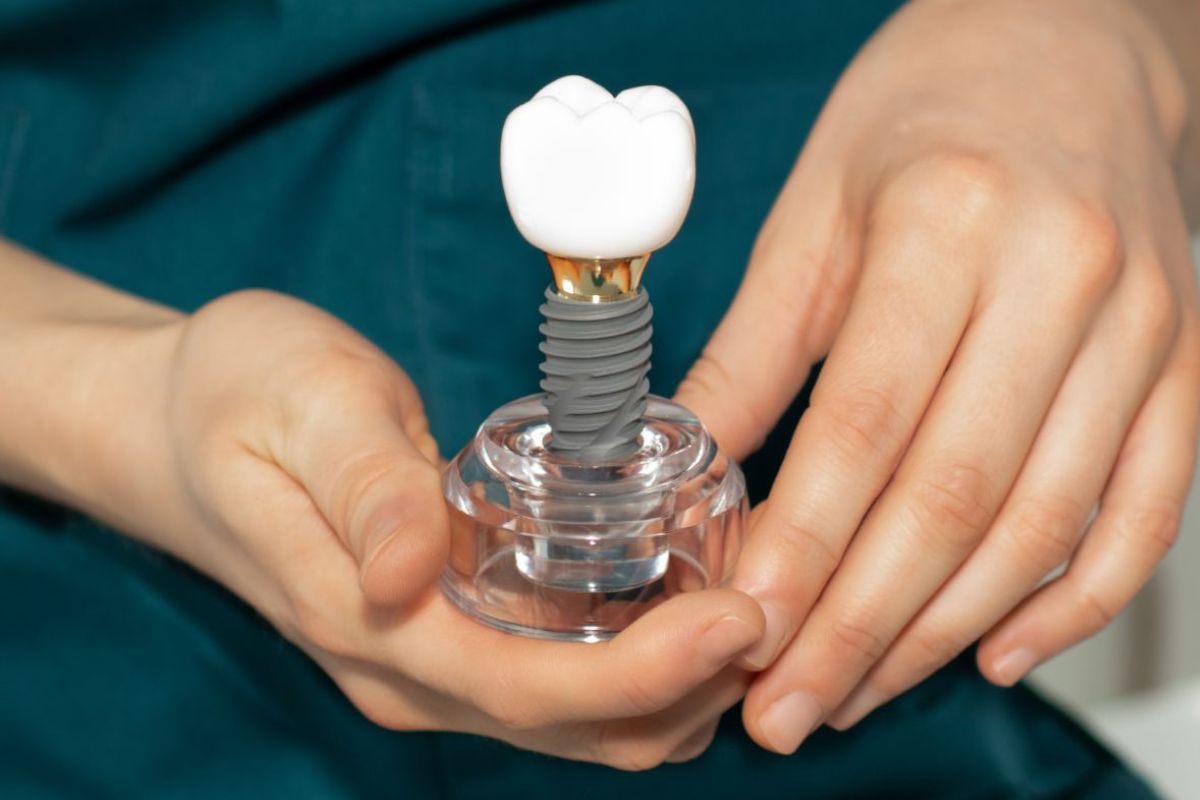
- Implant Placement: A small titanium (or zirconia) post is placed into the jawbone under local anesthesia. Most patients describe this step as far less uncomfortable than they expected.
- Healing Period (Osseointegration): Over the following months, the bone naturally fuses with the implant surface, creating a stable foundation. This step gives implants their long-term durability.
- Abutment Placement: A small connector piece is attached to the implant to hold the crown.
- Crown Placement: A custom-made crown, matched to your natural tooth color and shape, is attached to complete your smile.
The end result looks, feels, and functions like a natural tooth; most patients forget which tooth was replaced within a matter of months.
Caring for Your Implant Long-Term
An implant itself can’t get a cavity, but the gum and bone around it still need the same care as natural teeth, arguably more attentive care in the first year. That means regular brushing and flossing around the implant site, routine dental checkups so we can monitor the integration and surrounding tissue, and prompt attention to any swelling, discomfort, or looseness, which can be early signs of a condition called peri-implantitis. With proper care, implants are designed to last for decades, often a lifetime.
Take the Next Step Toward a Healthier Smile
If you’ve recently lost a tooth or have an old gap you’ve been meaning to address, scheduling a consultation is a great first step, even if you’re not ready to move forward with treatment right away. An early evaluation can help assess your bone and gum health, giving you more treatment options and helping prevent future complications.
If you’re from Tulsa or the surrounding areas and are considering dental implants, Perfect Smile Tulsa is here to provide personalized care and guidance throughout your treatment journey. Visit our dental office at 5301 S Lewis Ave, Tulsa, OK 74105 to learn more about your options and receive the care your smile deserves.
Frequently Asked Questions
How soon after tooth extraction can I get a dental implant?
Sometimes immediately, if bone and gum health allow it. Otherwise, we typically recommend waiting three to six months to let the site heal fully, sometimes longer if bone grafting is involved.
Can I get a same-day dental implant?
Yes, in cases with healthy bone, no active infection, and healthy gums. This is called immediate implant placement, and we’ll assess candidacy at your consultation using X-rays and a physical exam.
What happens if I wait too long to replace a missing tooth?
The jawbone continues to shrink over time, which can mean more extensive bone grafting, additional procedures like sinus lifts, and a longer treatment timeline later.
Do I need a bone graft before getting an implant?
Only if there isn’t enough bone volume to support the implant often the case after infection, gum disease, or prolonged tooth loss. We’ll confirm this with digital X-rays during your evaluation.
Does getting a dental implant hurt?
Most patients report less discomfort than they anticipated. The procedure is done under local anesthesia, and any post-procedure soreness is typically manageable with over-the-counter pain relief for a few days.
How long do dental implants last?
With proper care and regular checkups, implants are designed to last decades and often a lifetime, though the crown on top may need replacement after 10–15 years of normal wear.