
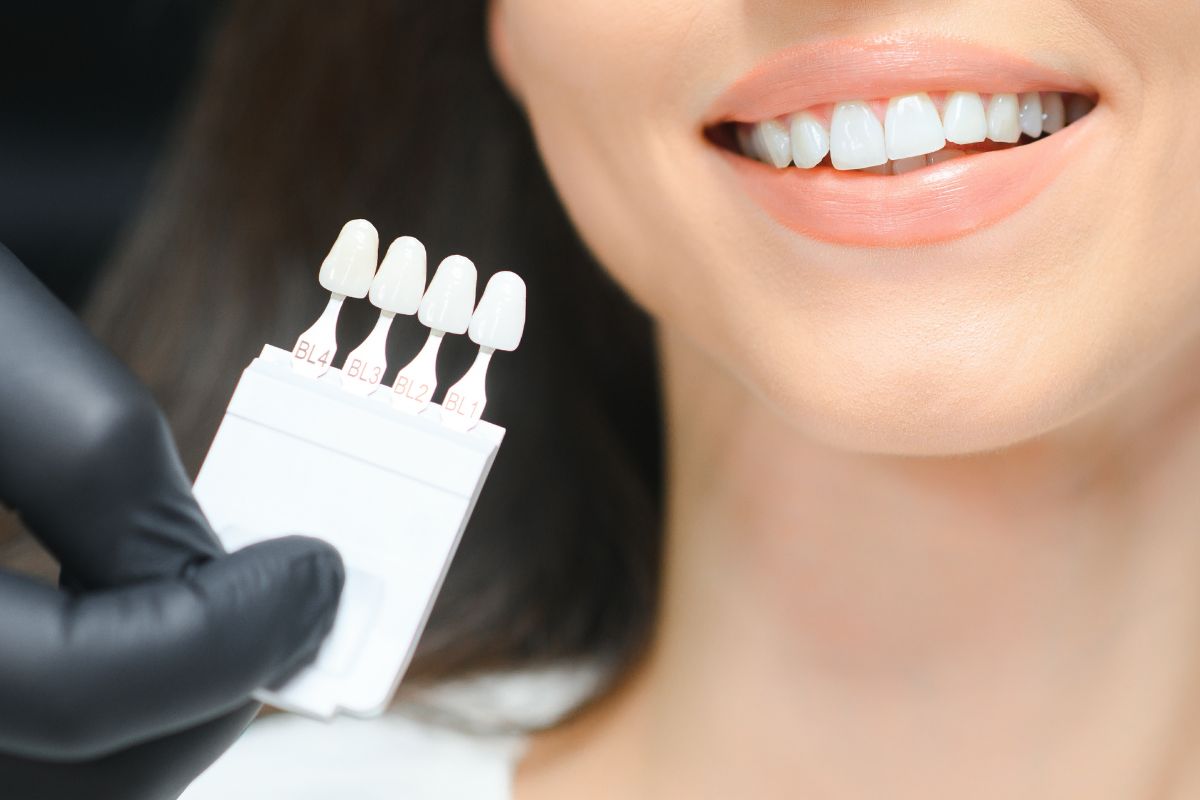
Veneers can dramatically improve a smile, but they don’t last forever. While high-quality veneers are designed to withstand daily use, they may show signs of aging, damage, or poor fit over time.
Recognizing these signs early can help protect oral health and maintain a confident, natural-looking smile. In this guide, we’ll cover when veneers are first recommended, how long they last, and when it’s time to consider a replacement.
When Do You Need to Wear Veneers?
Dentists often recommend these tooth restorations for patients with:
- Chipped or cracked teeth
- Minor gaps or misalignment
- Discoloration resistant to whitening
- Worn or uneven front teeth
Dental Veneers offer a custom solution that bonds to the front of the tooth, masking imperfections and improving both function and appearance.
How Long Do Veneers Typically Last?
With proper care, veneers can last between 10 and 15 years. However, their longevity depends on:
- Oral hygiene habits
- Biting forces (teeth grinding)
- Type of material (porcelain vs. composite)
- Lifestyle factors (diet and smoking)
Even without visible issues, older ones may gradually lose their bond or shine, leading to complications if not replaced in time.
Top Signs You May Need New Veneers
1. Discoloration or Staining
Veneers don’t stain like natural teeth but can discolor over time, especially around the edges. If whitening treatments no longer match the color of your veneers to your teeth, it’s time to consider a replacement.
2. Chips, Cracks, or Wear
Just like natural enamel, veneers can suffer from small chips or cracks, especially if you grind your teeth or chew on hard objects. Visible damage can compromise their look and function.
3. Gum Recession
As gums recede with age or due to periodontal issues, the edges of the veneer may become exposed. This not only affects appearance but also leaves space for plaque buildup and potential decay.
4. Loosened or Shifting Veneers
If a veneer feels loose, unstable, or shifts when you bite down, it may fail at the adhesive level. A dentist should evaluate and replace it before it detaches or damages the tooth underneath.
5. Bad Breath or Irritation
Odor or irritation around veneered teeth may signal trapped food or bacteria, especially if bonding has weakened. A new, secure set can restore freshness and comfort.
Why Choose Dental Veneers in Tulsa?
For those seeking a smile makeover or veneer replacement, Perfect smile tulsa offer both convenience and advanced care. Choosing a local provider ensures easy access to follow-ups, personalized service, and prompt treatment for veneer wear or damage. Whether it’s your first set or you’re due for a replacement, our cosmetic dentists provide tailored solutions that blend aesthetics with durability.
Tips to Extend the Life of the Veneers
- Avoid chewing ice or hard objects
- Wear a nightguard if you grind your teeth
- Maintain regular cleanings and checkups
- Brush and floss with care
Even with perfect care, veneers still age. Knowing when to update them is part of maintaining long-term dental care.
Restore Your Confidence with New Dental Veneers in Tulsa
If you’re noticing any of the warning signs, don’t wait. Timely veneer replacements ensure your teeth remain protected and your smile stays beautiful. We craft natural-looking, long-lasting veneers designed to match your face, lifestyle, and goals. Whether you need a full refresh or just a replacement or two, we’re here to help. Contact us to book a consultation.
FAQs
1. How do I know if my veneers are too old?
If your veneers are over 10 years old, show signs of wear, discoloration, or feel loose, it’s time for a dental evaluation. A dentist can check if replacement is needed.
2. Can veneers fall off if not replaced in time?
Yes. Aging or poorly bonded cosmetic laminates can detach, especially if gum recession or damage occurs. Regular dental checkups can prevent unexpected detachment.
3. What happens if I delay replacing damaged veneers?
Delaying replacement can lead to decay beneath the veneer, gum irritation, or tooth loss. It’s best to act early to avoid complications.
4. Are replacement veneers painful to get?
Not at all. Replacing veneers is typically a comfortable process. In many cases, the tooth requires minimal adjustment if the underlying structure is healthy.
5. Can I upgrade from composite to porcelain veneers?
Yes, many patients opt for porcelain due to its enhanced durability and aesthetics. Your dentist can assess if you’re a good candidate for the upgrade.