
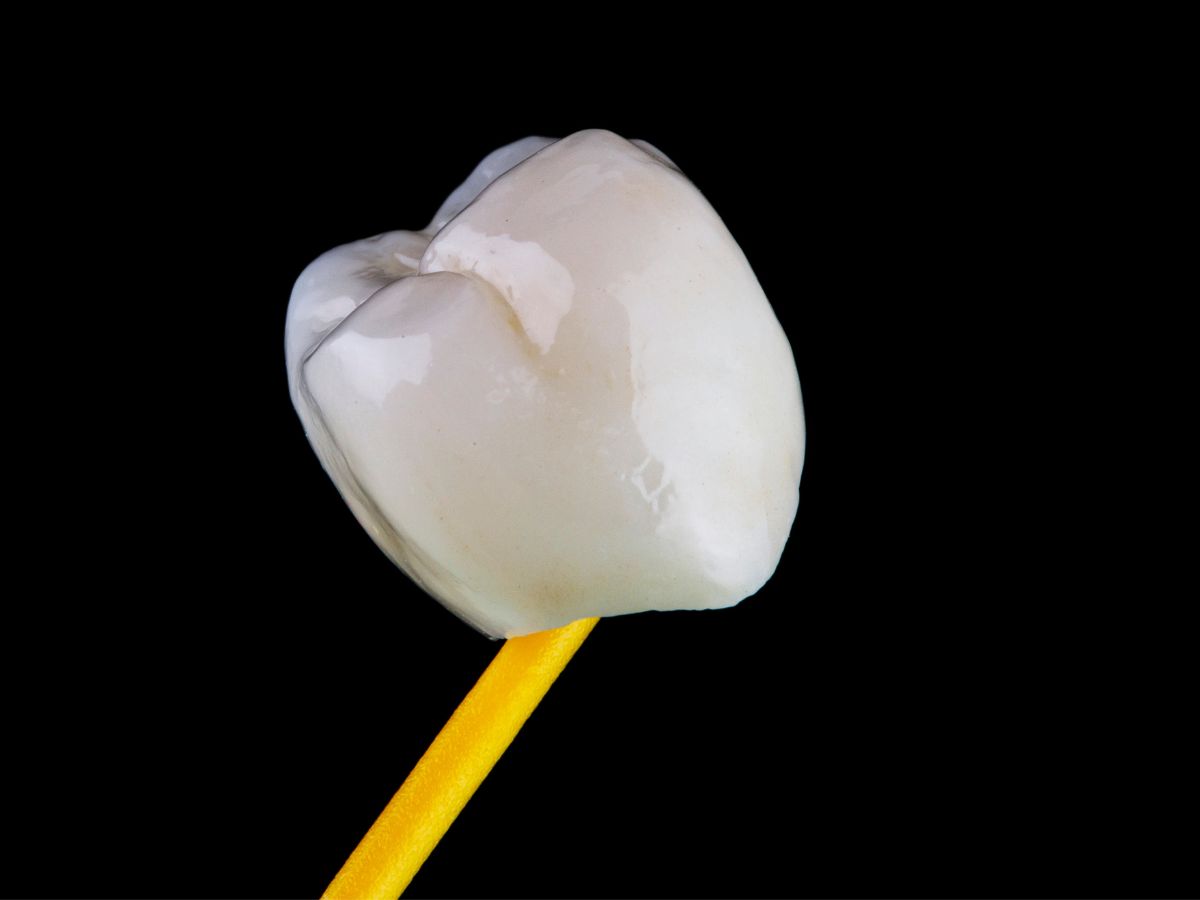
Dental crowns play a vital role in restoring the function and appearance of your compromised teeth. However, you may be concerned about whether your daily habits, like sleeping, could impact their durability or your overall oral health. While crowns are designed to be durable, certain nighttime habits or conditions can affect their longevity and oral health.
Consulting your dentist about the best care practices is essential to ensure your crowns remain in excellent condition. In this guide, we explore whether it is safe to sleep with dental crowns, the potential risks involved, and how to protect them.
Continue reading to get valuable insights to help maintain your crowns’ probity and improve dental care.
An Understanding of Dental Crowns and Their Function
Dental crowns are customised caps placed over damaged teeth to restore their shape, size, and functionality. These crowns are designed to resist everyday wear and tear, such as talking and eating.
However, nighttime habits such as teeth grinding, clenching, or improper care can compromise effectiveness. Understanding the function of crowns is the first step in identifying potential risks when sleeping with them.
Key Functions
- Protecting Weakened Teeth: Crowns act as a protective shield for teeth that have undergone root canals, severe decay, or fractures.
- Restoring Aesthetic Appeal: Crowns improve the appearance of discoloured or misshapen teeth, enhancing your smile.
- Facilitating Proper Chewing: By covering damaged teeth, crowns restore chewing ability and help maintain proper alignment.
The Risks of Sleeping With Dental Crowns
While sleeping with dental crowns is generally safe, specific risks can arise from unconscious behaviours or oral health conditions.
Teeth Grinding or Clenching (Bruxism)
If you grind or clench your teeth at night, your dental crowns may be at risk of damage. Bruxism can exert excessive force on crowns, leading to chips, cracks, or loosening.
- Impact on Crowns: Prolonged grinding can wear down the material, especially for porcelain crowns.
- Solution: Wearing a custom-fitted nightguard recommended by your dentist can significantly reduce the strain on your crowns.
Jaw Misalignment Issues
An uneven bite or misaligned jaw can cause additional stress on your crowns during sleep.
- Impact on Crowns: Uneven pressure can cause the crowns to crack or loosen over time.
- Solution: Seek advice from your dentist to assess and correct any misalignment issues.
Dry Mouth While Sleeping
Reduced saliva flow at night, commonly called dry mouth, can compromise your crown’s longevity.
- Impact on Crowns: Saliva is essential for neutralising acids and preventing bacterial growth around the crown margins.
- Solution: Stay hydrated, use a humidifier, or consider saliva substitutes to prevent dry mouth.
Proper Nighttime Care for Dental Crowns
To avoid unnecessary damage or discomfort, adopting proper care routines is essential.
Maintain Excellent Oral Hygiene
Cleaning teeth and crowns thoroughly is critical to prevent decay or gum disease.
- Brushing twice with a soft-bristled toothbrush and fluoride toothpaste helps.
- Floss gently around the crown to remove plaque buildup.
Use Nightguard If Necessary
Consider using a dentist-approved nightguard, particularly if you have bruxism.
- Nightguards provide a barrier between your upper and lower teeth, reducing pressure on your crowns.
A study published in the Journal of Oral Rehabilitation found that night guards reduced the risk of bruxism-related crown failure by 70%.
Schedule Regular Dental Check-Ups
Routine visits to your dentist ensure your crowns are functioning correctly.
- Regular check-ups can identify early signs of damage or decay around the crown area.
- Dentists can also polish crowns to maintain their appearance and strength.
Common Signs Your Dental Crown May Be At Risk
It is essential to monitor your crowns for potential issues that may arise, particularly if they are damaged or improperly fitted.
Sensitivity or Pain
If you feel sensitivity or pain around your crown during or after sleeping, it may indicate damage or an underlying issue. So, consult your dentist in Tulsa promptly.
Visible Cracks or Chips
Inspect your crowns for visible signs of wear. Damaged crowns should be repaired or replaced to prevent further complications.
Can You Avoid All Risks?
You cannot eliminate all risks associated with sleeping with dental crowns cannot be eliminated.
Yet, dentists suggest taking precautions to minimise potential issues.
Consult an experienced dentist to ensure a proper fit when the crown is initially placed. Also, avoid chewing hard objects or sticky foods that could damage the crown during the day.
Sleeping with dental crowns is generally safe but requires mindful care and attention to prevent risks like bruxism, jaw misalignment, or dry mouth. Regular dental check-ups, protective measures like nightguards, and a good oral hygiene routine are essential to maintain the integrity of your crowns.
Your dentist is your best resource for guidance and personalised solutions. By addressing concerns early, you can ensure the longevity of your crowns and effectively protect your oral health.
Protect Your Dental Crowns with Expert Care
At Perfect Smile Tulsa, our experienced dental team is here to help you protect and maintain your dental crowns for years. Whether you’re concerned about bruxism, crown fit, or need a check-up, we offer personalised care and proven solutions to keep your smile strong and healthy. Visit our dental office in Tulsa to schedule your appointment. Let us help you sleep easy knowing your crowns are in good hands.