
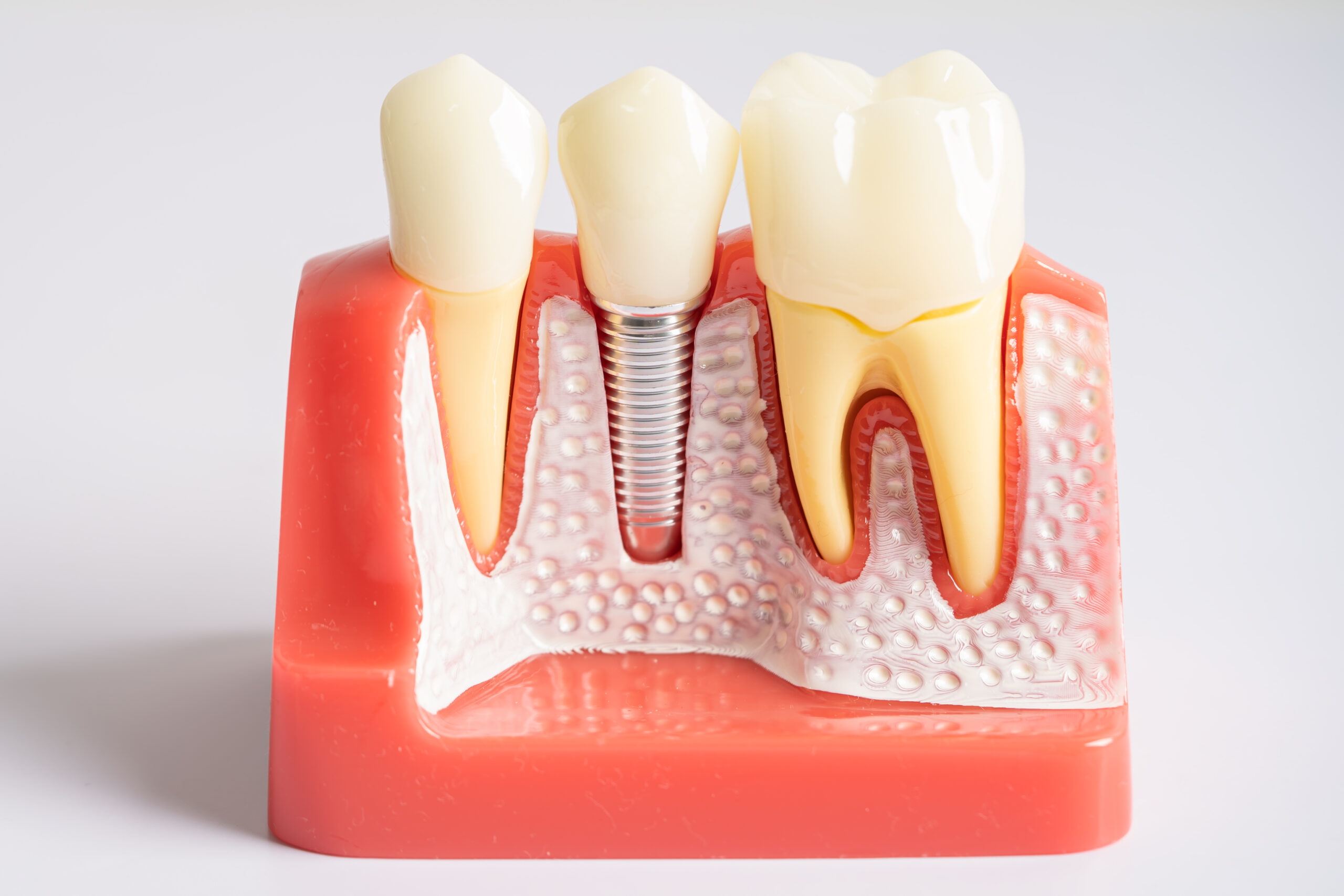
Dental implants are one of the most reliable ways to replace missing teeth, helping restore your smile, chewing ability, and confidence. While dental implants are designed to last for many years, they still require proper care and routine dental visits to stay healthy. Knowing when something isn’t right can help prevent minor concerns from turning into more serious complications. If you notice unusual symptoms, visiting a trusted dental implant provider as soon as possible can help protect both your implant and your oral health.
Many people assume that once a dental implant is placed, it will never need professional attention again. Although implants have an excellent success rate, they depend on healthy gums and surrounding bone for long-term stability. Recognizing early warning signs allows your dentist to address problems before they affect the success of your treatment.
Why Paying Attention to Dental Implant Problems Matters
Unlike natural teeth, dental implants cannot develop cavities, but the tissues surrounding them can still become infected or damaged. Gum disease around an implant, excessive pressure from biting, or damage to the restoration can all affect its performance.
The earlier these problems are identified, the easier they are often to treat. Delaying care may increase the risk of implant failure, bone loss, or the need for more extensive dental procedures.
1. Persistent Pain Around the Implant
Some discomfort is expected after implant placement, but ongoing pain weeks, months, or even years later should never be ignored.
Pain may indicate:
- Infection around the implant
- Gum inflammation
- Excessive bite pressure
- Damage to the implant or restoration
- Problems with the surrounding bone
Pain that becomes worse instead of better deserves prompt evaluation by your dentist.
2. Swollen, Red, or Bleeding Gums
Healthy gums should fit snugly around your dental implant. If the gums become swollen, tender, or bleed when brushing or flossing, it may be an early sign of peri-implant disease.
Common symptoms include:
- Red or puffy gums
- Bleeding during brushing
- Tenderness around the implant
- Persistent bad breath
- A bad taste in the mouth
Early treatment can often stop the infection before it damages the supporting bone.
3. A Loose Implant or Crown
Your dental implant should feel just as stable as a natural tooth. If you notice any movement, don’t ignore it.
Sometimes the crown attached to the implant becomes loose while the implant itself remains secure. In other cases, the implant may lose support because of bone loss or infection.
Only your dentist can determine which part is causing the problem and recommend the appropriate treatment.
4. Difficulty Chewing or Biting
If eating suddenly becomes uncomfortable or your bite feels different, your implant may need attention.
Possible causes include:
- A cracked or damaged crown
- Changes in your bite alignment
- Implant movement
- Inflammation in the surrounding tissues
Your implant should allow you to eat comfortably. Any ongoing discomfort while chewing should be professionally evaluated.
5. Pus or Drainage Around the Implant
One of the most serious warning signs is the presence of pus or drainage around the implant site.
This often indicates an active infection that requires immediate dental care.
Additional symptoms may include:
- Swelling
- Pain
- Gum tenderness
- Bad breath
- Fever in severe cases
Ignoring an infection can lead to bone loss and may eventually threaten the stability of your dental implant.
What Causes Dental Implant Problems?
Although dental implants are highly successful, several factors can increase the risk of complications.
Some of the most common causes include:
- Poor oral hygiene
- Gum disease
- Smoking or tobacco use
- Teeth grinding (bruxism)
- Medical conditions that affect healing
- Excessive bite pressure
- Skipping routine dental checkups
Regular professional cleanings and home care play an important role in keeping implants healthy for years.
How to Protect Your Dental Implant
Fortunately, many implant complications are preventable with consistent care.
Here are a few simple habits that help maintain implant health:
- Brush twice each day with a soft-bristled toothbrush.
- Floss carefully around the implant every day.
- Attend regular dental examinations and cleanings.
- Avoid chewing hard objects like ice or pens.
- Wear a nightguard if you grind your teeth.
- Report any unusual pain, swelling, or looseness immediately.
These small steps can go a long way toward protecting your investment in your smile.
Personalized Dental Implant Care at Perfect Smile Tulsa
If you experience discomfort, swelling, or other warning signs around your implant, timely care can make a significant difference. At our Tulsa dental office, our team carefully evaluates dental implant concerns, identifies the underlying cause, and recommends treatment based on your individual needs. As an experienced provider of dental implant treatment, we focus on helping patients maintain the long-term health and function of their implants through personalized care and ongoing support. Whether you need an examination, maintenance, or restorative care, we’re committed to helping you protect your smile for years to come. If you live in Tulsa or the surrounding communities and are looking for a trusted dental implant provider, we are here to help. Contact us to schedule an evaluation.
Protect Your Dental Implant for Long-Term Success
Dental implants are built to be a long-lasting solution, but paying attention to early warning signs can help you avoid more complex problems later. Persistent pain, swollen gums, looseness, difficulty chewing, or signs of infection should never be ignored. Seeking professional care as soon as symptoms appear can improve the chances of preserving your implant and maintaining your oral health.
We’re committed to helping patients enjoy healthy, confident smiles through every stage of their dental implant journey. If you’re searching for a trusted dental implant provider for long-term implant care, visit our dental office to receive personalized care and support for your smile.