
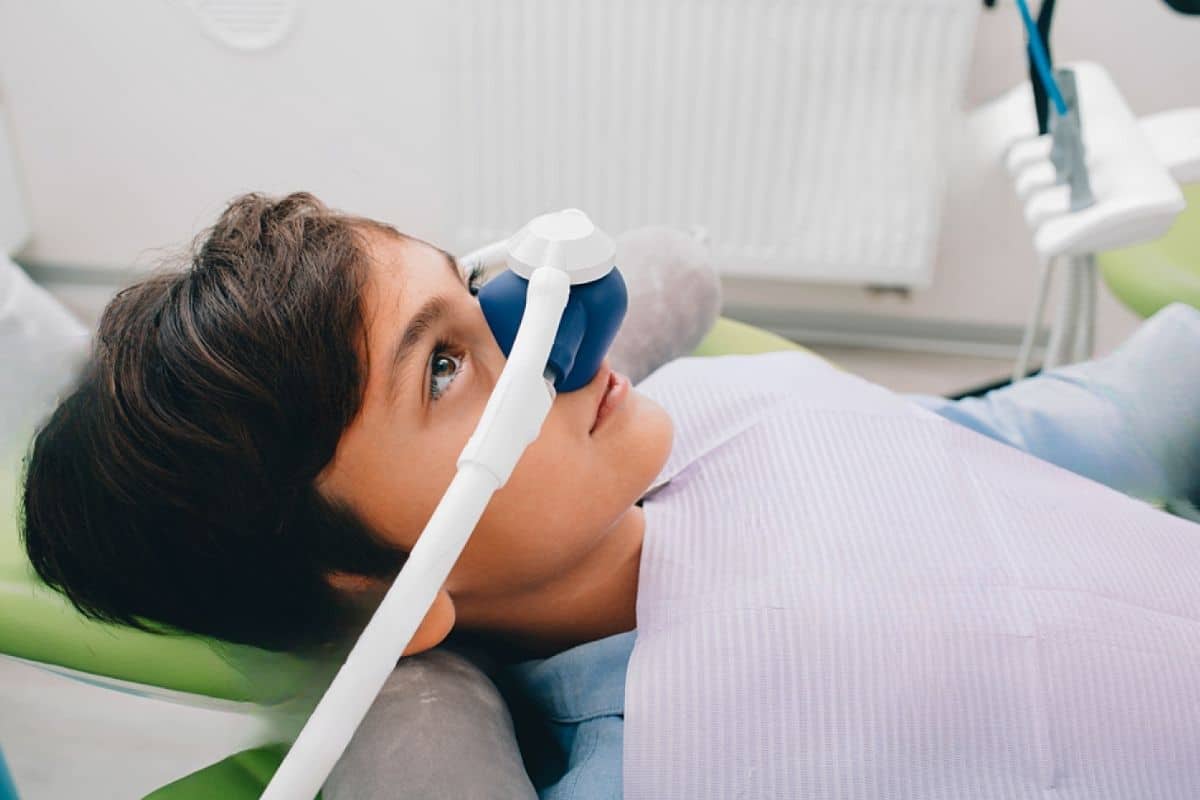
Raise your hand if the thought of your next dental appointment sends shivers down your spine! You’re not alone. According to a study by the American Dental Association, an estimated 40 million Americans experience dental anxiety. This fear can manifest in various ways, from sweaty palms and a racing heart to full-blown panic attacks. The result? Millions neglect essential oral care, putting their long-term health at risk.
But what if there was a way to experience the dentist’s chair differently? Imagine a calm, relaxed state where the whir of drills and dental tools fades into the background. Enter sedation dentistry: a safe and effective solution for achieving a stress-free and comfortable dental experience.
In this blog, we’ll delve into the world of sedation dentistry, exploring its benefits, the different types available, and how it can transform your dental visits. So, buckle up (or rather, recline comfortably) as we explore the path to a relaxed and pain-free smile!
Why Dental Anxiety Matters
Dental anxiety isn’t just about feeling a little nervous. It’s a significant concern that can have a real impact on your oral health. A 2019 study published in the National Institutes of Health Journal found that adults with dental anxiety are significantly less likely to have had a dental checkup in the past year compared to those without anxiety. This avoidance can lead to a cascade of problems, including:
- Tooth decay and gum disease: Untreated cavities and gum inflammation can progress, causing pain, tooth loss, and potentially impacting overall health.
- Increased dental costs: Early detection and prevention through regular checkups are key to avoiding expensive procedures down the line.
- Impact on self-confidence: Missing or damaged teeth due to neglected dental care can affect your smile and self-esteem.
How Sedation Dentistry Can Help
Sedation dentistry offers a ray of hope for those struggling with dental anxiety. Using various medications, sedation dentists help patients achieve a relaxed and comfortable state throughout their procedures. Here’s how it can benefit you:
- Reduced Anxiety: Sedation significantly reduces fear and apprehension associated with dental visits. You’ll feel calmer and more at ease during the entire process.
- Increased Comfort: Whether you have a low pain threshold or a strong gag reflex, sedation dentistry can minimize discomfort and make the experience more tolerable.
- Pain Management: Sedation often works hand-in-hand with local anesthesia, ensuring minimal to no pain during the procedure.
- Completion of More Work: Feeling relaxed allows the dentist to work more efficiently, potentially completing multiple procedures in one visit, saving you time and trips to the dentist’s office.
Types of Sedation Dentistry
The level of sedation you receive will depend on your individual needs and the complexity of the procedure. Here’s a breakdown of the different types:
- Minimal Sedation: Involves taking a pill before your appointment, inducing a light, relaxed state. You’ll likely be awake and responsive but feel calmer and less anxious.
- Moderate Sedation: This method uses medication delivered orally or through an IV, leading to a deeper state of relaxation. You may not remember all the details of the procedure.
- Deep Sedation (IV Sedation): This involves a strong sedative administered through an IV, putting you into a sleep-like state. You might not respond to verbal cues but will easily wake with stimulation.
- General Anesthesia: In rare cases, for complex procedures or extreme anxiety, general anesthesia may be used, completely putting you to sleep.
It’s crucial to discuss your options with your sedation dentist in Tulsa to determine the most suitable sedation method for your specific needs.
Safety and Considerations
Sedation dentistry is a safe and well-established practice when performed by a Tulsa dentist with proper training and monitoring equipment. However, it’s essential to be aware of some considerations:
- Medical History: Inform your dentist about any pre-existing medical conditions and medications you’re taking.
- Fasting: You might need to fast for a certain period before receiving sedation.
- Transportation: Depending on the level of sedation, you might need someone to drive you home after the appointment.
Remember, sedation dentistry is a collaborative effort. By openly discussing your fears and concerns with your dentist, you can ensure a safe and positive experience.
In conclusion, sedation dentistry offers a powerful tool for overcoming dental anxiety and achieving a pain-free dental experience. If the thought of the dentist’s chair fills you with dread, there’s no need to suffer in silence. Talk to your qualified dentist in Tulsa today and explore the possibilities of sedation dentistry. A relaxed and healthy smile awaits!