
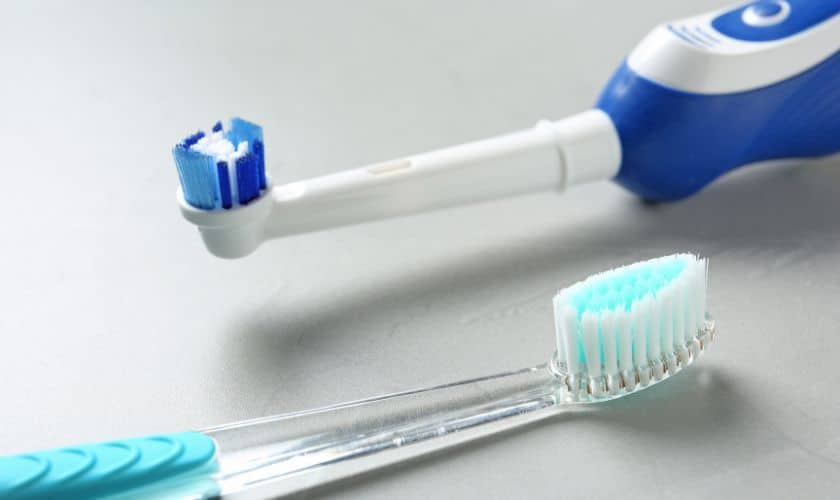
Choosing the right toothbrush can feel overwhelming. With a vast array of electric and manual options available, it’s easy to wonder: which one is better for my teeth?
The truth is, both electric and manual toothbrushes can be effective tools for maintaining oral hygiene. However, each has its own set of advantages and disadvantages. This guide will help you weigh the pros and cons to determine which toothbrush best suits your needs and brushing habits.
Brushing Basics: The Importance of Technique
Before diving into the electric vs. manual debate, let’s establish a crucial fact: proper brushing technique is essential, regardless of the type of toothbrush you use. The American Dental Association (ADA) advises spending two minutes brushing your teeth twice a day. Here’s how to ensure an effective brushing routine:
- Use a soft-bristled toothbrush. This will gently remove plaque and debris without damaging your gums.
- Brush at a 45-degree angle. Tilt the brush head towards the gumline and use short, gentle strokes to clean all surfaces of each tooth.
- Don’t forget your tongue! Brushing your tongue helps remove bacteria and freshen breath.
- Every three to four months, or sooner if the bristles start to fray, replace your toothbrush.
The Case for Electric Toothbrushes: Power Up Your Brushing
With good cause, electric toothbrushes have grown in popularity in recent years. Here are some of the key benefits they offer:
- Enhanced plaque removal: Studies show that electric toothbrushes can be more effective at removing plaque and bacteria from teeth compared to manual brushes. This is because the motorized head does most of the work, ensuring a thorough clean even in hard-to-reach areas.
- Built-in timers: Many electric toothbrushes come with built-in timers that help you brush for the dentist-recommended two minutes. This can be especially helpful for those who struggle to keep track of time while brushing.
- Gentle on gums: Some electric toothbrushes have pressure sensors that can alert you if you’re brushing too hard, which can irritate gums. Additionally, some models offer specific settings for sensitive teeth.
Considering an Electric Toothbrush? Here’s What to Look For:
- Rotation vs. Sonic: Electric toothbrushes come in two main types: rotary and sonic. Rotary brushes spin the head to remove plaque, while sonic brushes vibrate at high frequencies to disrupt plaque and promote better cleaning.
- Features: Consider features like pressure sensors, multiple brushing modes (sensitive, whitening, etc.), and replaceable brush heads.
- Price: Electric toothbrushes can range in price from affordable to high-end. Consider your budget and prioritize features that are important to you.
Making the Case for Manual Toothbrushes: A Simple and Effective Option
Manual toothbrushes have been the go-to for generations, and they remain a reliable and effective way to clean your teeth. Here are some reasons why you might choose a manual brush:
- Cost-effective: Manual toothbrushes are generally much cheaper than electric toothbrushes.
- Simple to use: No charging, batteries, or fancy features – just brush!
- Travel-friendly: Manual toothbrushes are compact and easy to pack for trips.
- More control: Some people prefer the feeling of having more control over the brushing motion with a manual brush.
Who Should See a Dentist in Tulsa?
Regardless of the type of toothbrush you choose, regular dental checkups are essential for maintaining good oral health. A dentist in Tulsa can assess your individual needs, provide professional cleanings, and offer personalized advice on brushing and flossing techniques.
Schedule an appointment with a dentist in Tulsa today to ensure a healthy smile for life!