
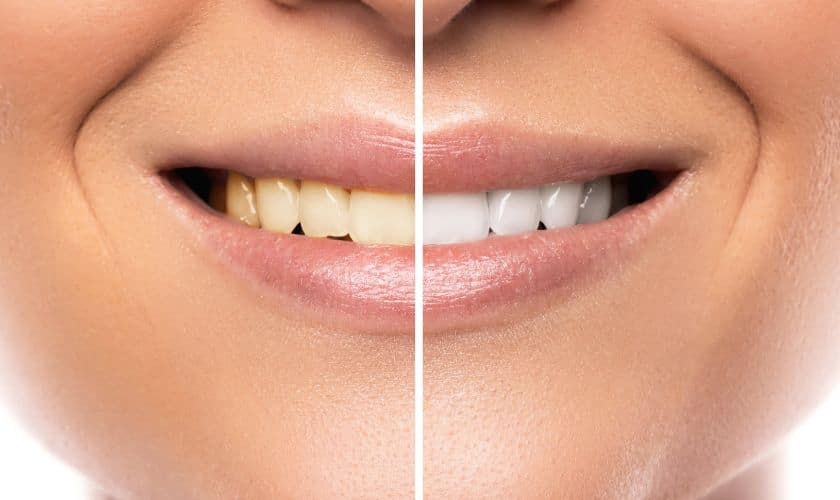
A brilliant, bright grin may make a big impression and increase confidence. With advancements in cosmetic dentistry, achieving pearly white teeth has become more accessible than ever. Among the popular procedures, teeth whitening stands out as a quick and effective solution. However, a common question arises: How long does teeth whitening last? Let’s delve into this inquiry and uncover the truths behind maintaining a sparkling smile.
Understanding Teeth Whitening:
A cosmetic dentistry process called teeth whitening, sometimes referred to as teeth bleaching, lightens the color of teeth and gets rid of stains and discolorations. It’s a non-invasive treatment that can be performed either in-office by a cosmetic dentist or at home using over-the-counter products prescribed by dental professionals.
The Process:
In-office teeth whitening typically involves the application of a bleaching agent directly onto the teeth. The concentration of the whitening agent used by a cosmetic dentist is higher than that found in over-the-counter products, resulting in quicker and more dramatic results. The procedure may also utilize special lights or lasers to enhance the whitening process.
Home whitening kits, on the other hand, consist of customized trays filled with a whitening gel. Patients are instructed to wear these trays for a specified period, usually a few hours each day or overnight, for several days or weeks until the desired level of whitening is achieved.
Duration of Results:
The longevity of teeth whitening results varies depending on several factors, including the individual’s oral hygiene habits, dietary choices, and lifestyle factors. The results of teeth whitening generally persist for a few months to a few years.
Factors Affecting Longevity:
- Oral Hygiene: Maintaining good oral hygiene practices, such as regular brushing, flossing, and routine dental check-ups, can help prolong the results of teeth whitening.
- Diet: Consumption of certain foods and beverages, such as coffee, tea, red wine, and dark-colored fruits, can contribute to staining and discoloration of the teeth. Limiting intake or rinsing the mouth after consuming these items can help preserve the results of teeth whitening.
- Tobacco Use: Smoking and tobacco use are known to cause stubborn stains on teeth. Quitting these habits not only improves overall oral health but also helps maintain a whiter smile.
- Aging: As we age, the natural color of teeth may become slightly darker due to changes in the structure of the enamel and dentin. While teeth whitening treatment can effectively reverse surface stains, it may not prevent the effects of aging on tooth color entirely.
- Touch-Up Treatments: Periodic touch-up treatments, either at-home or in-office, can help extend the longevity of teeth whitening results and keep your smile looking bright and beautiful.
Consulting a Cosmetic Dentist:
For individuals considering teeth whitening, consulting a cosmetic dentist is essential to ensure safe and effective treatment. A cosmetic dentist can assess the condition of your teeth, recommend the most suitable whitening method, and provide personalized guidance on maintaining a white smile.
Conclusion:
One common cosmetic dental procedure that can greatly improve the appearance of your smile is teeth whitening. While the duration of results may vary, adopting good oral hygiene habits, making mindful dietary choices, and seeking periodic touch-up treatments can help prolong the effects of teeth whitening. By partnering with a trusted cosmetic dentist in Tulsa, you can achieve and maintain a dazzling smile that radiates confidence and charm for years to come.