
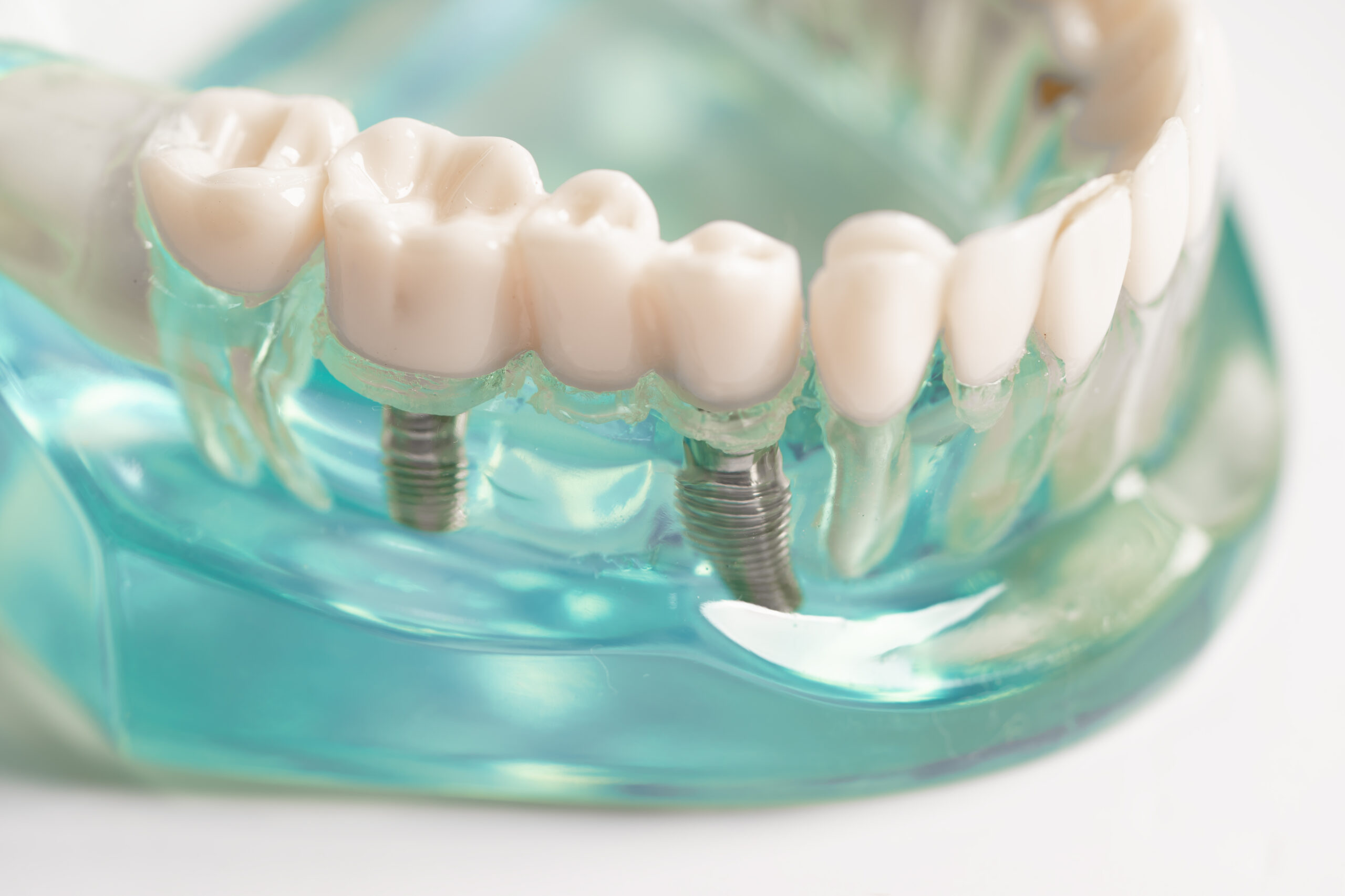
Dental implants are a life-changing solution for many who have lost one or more teeth. They offer long-term stability, function like natural teeth, and restore the appearance of your smile. But just like natural teeth, dental implants require proper care to ensure longevity.
If you want to protect your investment and maintain a healthy smile, this guide from Perfect Smile Tulsa covers everything you need to know about caring for your dental implants.
Why Proper Implant Care Matters?
Dental implants are made from highly durable materials such as titanium and ceramic, which are resistant to decay. However, the surrounding tissues—your gums and jawbone—are still vulnerable to infection and disease. Without good oral hygiene, you risk developing peri-implantitis, a condition similar to gum disease that can compromise the stability of your implant.
Effective implant care:
- Prevents infection and inflammation
- Protects your gums and bone structure
- Increases the lifespan of your implants
- Maintains the overall aesthetics of your smile
Daily Care Routine for Dental Implants
Caring for your dental implants is similar to caring for natural teeth, but requires extra attention. Here’s what your daily routine should include:
1. Brush Twice a Day
Brush your teeth and implants with a soft-bristled toothbrush at least twice a day. Pay special attention to the gum line, where plaque tends to accumulate. Electric toothbrushes are often more effective at reducing plaque buildup, especially in hard-to-reach areas around implants.
2. Choose the Right Toothpaste
Avoid abrasive toothpaste that could scratch the surface of your implant or crown. Look for non-abrasive formulas without harsh whitening agents. A low-abrasion toothpaste helps preserve both your natural teeth and the surface of your dental prosthetics.
3. Floss Daily
Flossing removes food particles and plaque between the teeth and around the implant. Use floss designed for implants or tools like interdental brushes and floss threaders. Water flossers can also be effective, especially if traditional floss is challenging.
4. Rinse with Antibacterial Mouthwash
Rinsing with an alcohol-free, antimicrobial mouthwash can help reduce bacteria levels in the mouth and minimize the risk of infection. Do this after brushing and flossing, particularly before bed.
Additional Tools for Implant Care
Besides your basic dental hygiene tools, these additions can make a significant difference in your implant maintenance routine:
- Interdental brushes: Designed to clean between the implant and adjacent teeth
- Rubber tip stimulators: Help maintain healthy gum tissue
- Implant-specific floss: Wider and softer to clean around implants without damage
Using the right tools ensures you’re cleaning effectively without stressing the implant.
Lifestyle Choices That Support Implant Health
Dental implant care doesn’t stop with oral hygiene—it also involves making wise lifestyle choices. Here’s how your habits can influence implant longevity:
1. Avoid Smoking
Smoking is one of the leading causes of implant failure. It restricts blood flow to the gums, impairs healing, and increases the risk of infection. If you’re a smoker, quitting is one of the best steps for your oral and overall health.
2. Watch Your Diet
Eating a balanced diet rich in vitamins and minerals supports healthy gum tissue and bone density, both critical to implant stability. Limit sugary foods and beverages, which can promote bacterial growth.
3. Limit Teeth Grinding
Bruxism (teeth grinding) can put excessive force on dental implants. If you grind your teeth, especially at night, your dentist may recommend a night guard to protect your implants and natural teeth.
Regular Dental Visits Are Key
Even with excellent at-home care, regular checkups with your dentist are essential for implant maintenance. During your visit, your dentist will:
- Examine the implant site for signs of inflammation or damage
- Clean hard-to-reach areas around the implant
- Take X-rays to monitor bone levels and implant stability.
Visiting your dentist every six months is generally recommended, but your schedule may vary based on your individual needs.
Recognizing Potential Problems
While dental implants are highly reliable, it’s essential to recognize the early signs of trouble. Contact your dentist if you notice:
- Red, swollen, or bleeding gums around the implant
- Pain or sensitivity at the implant site
- Loosening of the implant or crown
- Persistent bad breath or an unpleasant taste
Early intervention can prevent minor issues from turning into major complications.
Take the Next Step Toward a Healthier, Long-Lasting Smile
With proper care and regular dental visits, your dental implants can last for decades, restoring not just function but also your confidence. If you’re in Tulsa and looking for a reliable dental implant solution near you, our experienced team offers comprehensive support, from placement to long-term maintenance.
Whether you’re due for a cleaning, have questions about your implant care, or want to explore tooth replacement options, we’re here to help. Contact us today to schedule your appointment and keep your smile healthy, strong, and shining for years.