
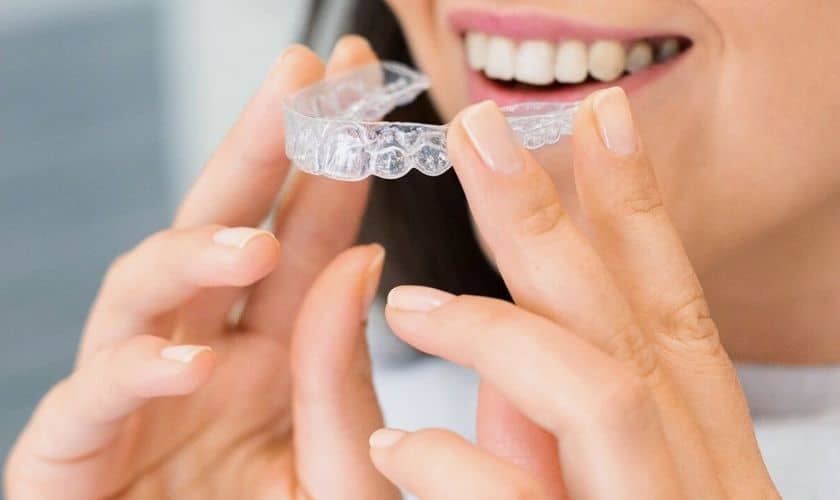
A straighter smile can do more than improve appearance—it can boost confidence, support oral hygiene, and even reduce the risk of dental complications. One of the most advanced and discreet ways to align teeth today is with Invisalign. If you’ve been wondering how this treatment works or whether it’s right for you, this guide will walk you through the essential steps and facts about Invisalign therapy.
What Is Invisalign?
Invisalign is a modern orthodontic system that uses a series of custom-made, clear aligners to move your teeth into better alignment gradually. These aligners are made from a medical-grade thermoplastic material that is both comfortable and virtually invisible, making them a popular choice among teens and adults.
Unlike traditional metal braces, Invisalign aligners are removable, so you can take them out for eating, brushing, and flossing. This flexibility helps maintain better oral hygiene and allows for more freedom during meals and social events.
How does the Process work?
1. Initial Consultation
Your Invisalign journey starts with a dental consultation. During this visit, your dentist or orthodontist will evaluate your teeth, bite, and overall oral health to determine whether you’re a good candidate. Digital scans or impressions create a 3D model of your teeth.
2. Custom Treatment Plan
Using specialized software, your dentist designs a step-by-step plan showing how your teeth will gradually move. This digital roadmap previews your new smile and outlines how long treatment is expected, typically between 6 and 18 months, depending on complexity.
3. Receiving Your Aligners
You’ll receive a series of aligners, each slightly different from the last. These are typically changed every 1–2 weeks. Wear them for 20–22 hours daily to ensure effective movement. The aligners apply gentle pressure to specific teeth, shifting them gradually.
4. Follow-Up Appointments
Check-ins with your dental provider will occur every 6 to 8 weeks to monitor progress and receive new aligners. These visits are typically shorter and less frequent than those required for brace adjustments.
5. Maintaining Your Results
After treatment, you’ll likely need to wear a retainer to help keep your teeth in their new positions. Retainers are often worn at night and are made from materials similar to Invisalign aligners.
Benefits of Invisalign
- Discreet Appearance: Clear aligners are nearly invisible, making them a subtle option for teens and professionals.
- Comfortable Fit: Smooth plastic aligners are gentle on gums and cheeks.
- Better Oral Hygiene: Removable trays make it easier to brush and floss.
- No Dietary Restrictions: Eat what you like—just remove your aligners beforehand.
- Fewer Office Visits: Fewer adjustments mean less time spent in the dental chair.
Who Is Invisalign Right For?
Invisalign is ideal for patients with mild to moderate crowding, gaps, or bite issues such as overbite, underbite, and crossbite. While unsuitable for every case, advancements in the system have made it a viable solution for many people who previously might have needed traditional braces.
For those seeking Invisalign aligners to correct mild to moderate dental misalignment, speaking with an experienced provider can help determine the best choice for your needs.
Final Thoughts
Invisalign offers a clear, comfortable, and effective way to straighten teeth without the inconvenience of metal braces. With a customized plan and consistent wear, patients can achieve noticeable results, often faster than they expect.
To learn more about your options for Invisalign treatment, contact Perfect Smile Tulsa. Our team is here to help guide you through the process and support you every step of the way.