
With modern advancements in dental care, patients now have more options than ever to achieve a straight, healthy smile. Among the most popular treatments are Invisalign aligners and traditional metal braces. But what if you’ve been recommended both, or you’re wondering if they can be used together for better results?
Let’s explore whether Invisalign and braces can be combined and what that could mean for your smile journey.
Understanding Invisalign and Braces
Before exploring whether these treatments can work together, it helps to understand what each option offers.
Invisalign:
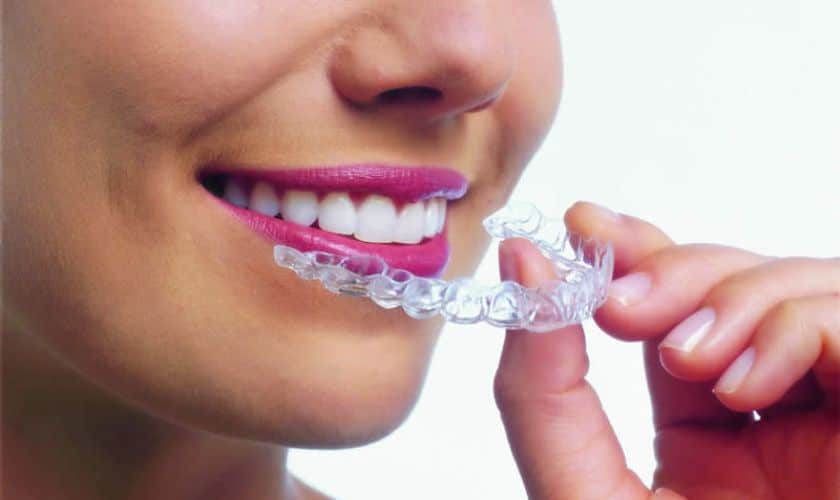
Invisalign is a clear aligner system that uses custom-made, removable trays to shift your teeth over time gently. Known for being discreet and comfortable, Invisalign is ideal for many people who want to improve their smile without the look or feel of traditional metal.
Braces:
Traditional braces involve brackets, wires, and bands that stay fixed to your teeth and work continuously to move them into better alignment. This method is often recommended for more involved or complex cases and has been used successfully for decades.
Can Invisalign and Braces Be Used Together?
The short answer is yes—they can be used together, although it’s not typical for every case. Your dentist may recommend combining both to address specific alignment issues more effectively.
1. A Customized Treatment Plan
Some dental providers take a combined approach where braces and Invisalign are used at different stages of your treatment. For example:
- Invisalign first, then braces: Clear aligners may shift the front teeth before applying braces to correct deeper structural or bite-related concerns.
- Braces first, then Invisalign: Braces do the heavy lifting in many cases, especially for significant movement or complex spacing. Then, Invisalign aligners can fine-tune the position of the teeth once the braces come off.
This dual-phase strategy is not about choosing one over the other—it’s about choosing what works best for each stage of your smile transformation.
Why Combine the Two?
There are several reasons why your dental provider might recommend using both:
- Greater precision: Braces can be more effective in certain types of tooth movement, especially for back teeth or complex shifts.
- More flexibility: Invisalign trays are removable and easy to clean, making them ideal for the finishing stages of care.
- Better aesthetics: Invisalign aligners can help patients continue improving their smile without the visibility of metal hardware.
- Customized care: Everyone’s smile is different. Some may need both tools to achieve the best results in the shortest amount of time.
Is This Combination Right for You?
If you’re considering Invisalign aligners or already wearing braces, combining the two may or may not be the right fit. The decision will depend on several factors, including:
- The current position of your teeth
- Your dental goals
- The level of correction needed
- How long are you willing to commit to treatment?
- Your preference for visibility and comfort
Open discussion with your provider is essential to determine the best strategy. If you’re exploring Invisalign Aligners, speak with our dental team, which understands how to personalize your treatment based on your smile goals and lifestyle.
What to Expect If You Use Both?
If your treatment involves both braces and Invisalign, you can expect your plan to be carefully phased:
- Initial Consultation – Your dentist will examine your teeth, review X-rays or digital scans, and discuss your options.
- Active Treatment Phase – Depending on your plan, you’ll wear either braces or aligners first, followed by a switch to the other system.
- Monitoring Progress – Regular check-ins ensure everything stays on track and adjustments can be made as needed.
- Final Touches – Invisalign aligners often serve as the “finishing touch” after completing major corrections.
- Retention Phase – After treatment, you’ll likely be given a retainer to keep your teeth in their new, ideal position.
Key Takeaways
- Using Invisalign and braces in the same overall treatment plan is possible.
- Each tool has its strengths—braces for complex movements, Invisalign for aesthetic and fine-tuning purposes.
- Your dentist will determine the best action based on your needs, goals, and comfort level.
Thinking About Aligners or Braces?
While combining braces and clear aligners might sound unusual, it’s a thoughtful approach in many cases. If you’re curious whether this method suits you, the first step is a detailed consultation.
Whether you’re just beginning your journey or considering options after previous dental work, our team at Perfect Smile Tulsa is here to help. With a personalized approach and experience using Invisalign Aligners, we’ll help guide you to a smile you’ll love for years.
Schedule your consultation today to learn more about how we can help you achieve your best smile, whether through Invisalign, braces, or a combination tailored just for you.